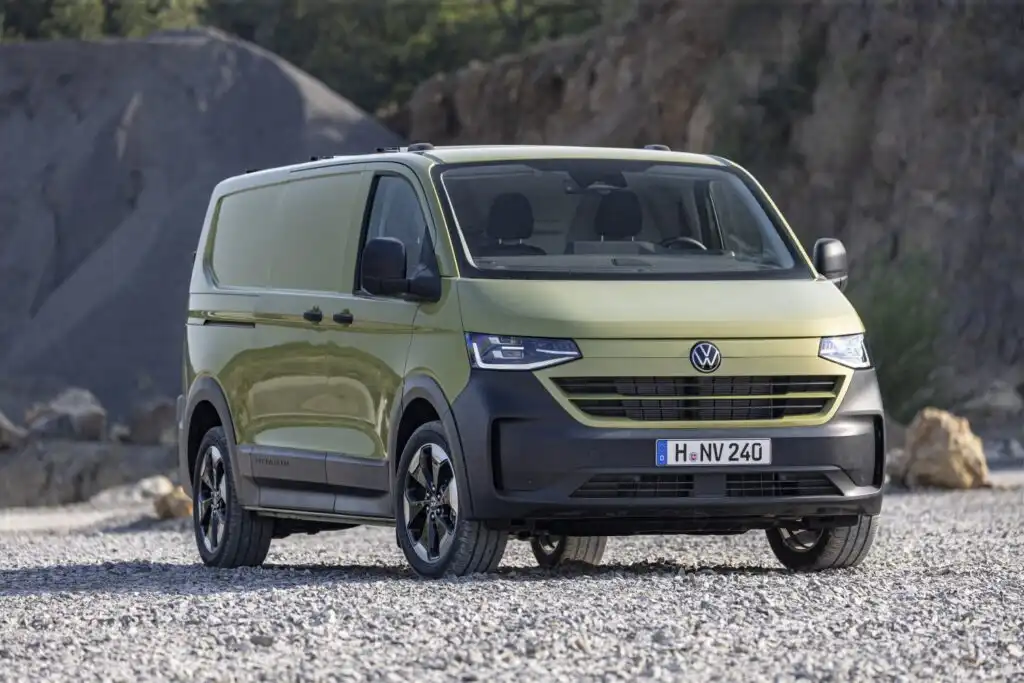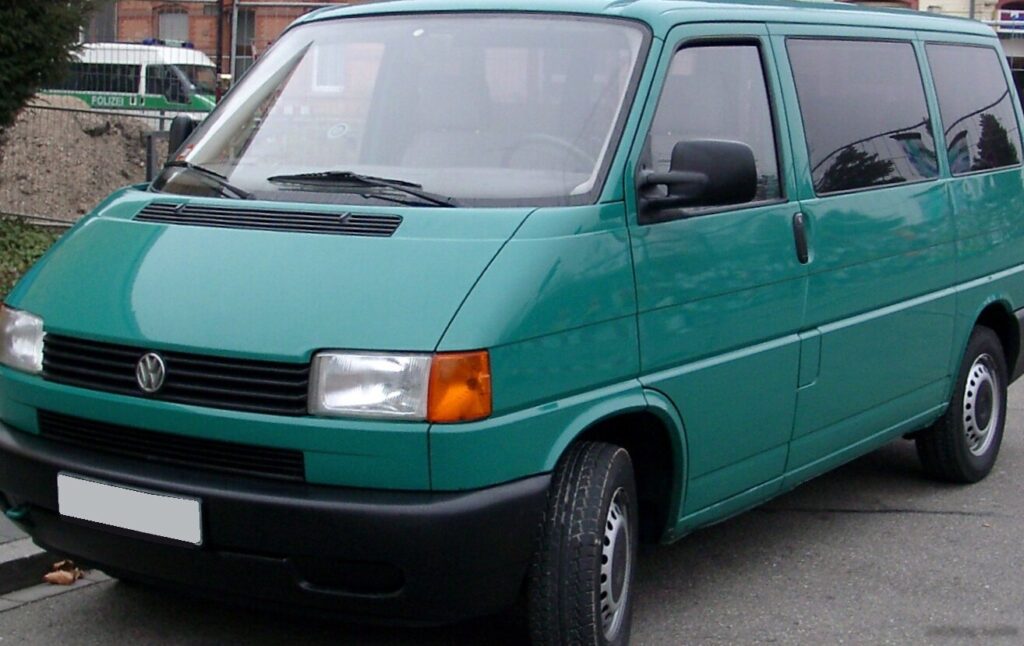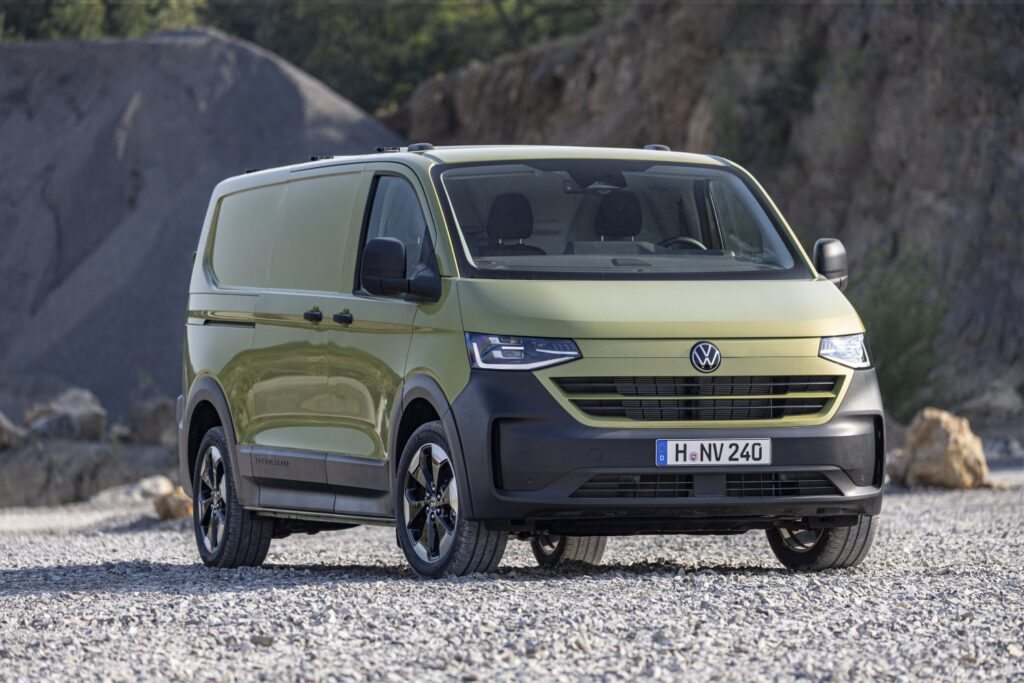
The Volkswagen Transporter (T7) Panel Van represents the latest iteration in Volkswagen’s long-running and globally successful commercial vehicle line. Introduced in August 2024, the T7 builds upon the foundations laid by its predecessors, offering a blend of practicality, technology, and efficiency tailored for both commercial and leisure applications. While the Transporter has a significant presence in European markets as a workhorse van, the T7 represents a continued effort to refine the model for a broader audience, incorporating modern features and improved performance. This particular variant, the 2.0 TDI (170 Hp) 4MOTION Automatic L1H1, is a popular configuration offering all-wheel drive capability and an automatic transmission for enhanced usability.
Volkswagen Transporter (T7) Panel Van: An Overview
The Transporter T7 Panel Van occupies the mid-size van segment, competing with vehicles like the Ford Transit Custom, Mercedes-Benz Vito, and Fiat Ducato. It’s designed to cater to businesses requiring a versatile and reliable vehicle for transporting goods, as well as individuals seeking a spacious and adaptable platform for camper conversions or recreational activities. The “L1H1” designation refers to the van’s body length (L1 – short wheelbase) and roof height (H1 – standard roof), indicating a compact and maneuverable configuration. The 2.0 TDI engine, coupled with the 4MOTION all-wheel-drive system and an eight-speed automatic transmission, provides a balance of power, fuel efficiency, and all-weather capability.
Engine & Performance
Powering the Transporter T7 Panel Van 2.0 TDI (170 Hp) 4MOTION Automatic L1H1 is a 2.0-liter inline four-cylinder diesel engine, internally known as the Panther engine. This powerplant generates 170 horsepower and 390 Nm (287.65 lb.-ft.) of torque. The engine utilizes a diesel commonrail fuel injection system and is equipped with a turbocharger and intercooler to optimize performance and efficiency. The 85.2 Hp/l specific output demonstrates a relatively efficient engine design. The eight-speed automatic transmission delivers smooth and responsive gear changes, contributing to a comfortable driving experience. The 4MOTION all-wheel-drive system provides enhanced traction and stability, particularly in challenging road conditions. Acceleration from 0 to 100 km/h (0-62 mph) takes 14 seconds, while the 0-60 mph sprint is achieved in approximately 13.3 seconds. The van has a maximum speed of 175 km/h (108.74 mph). Fuel consumption is rated at 8.3 l/100 km (28.3 US mpg, 34 UK mpg), with CO2 emissions of 217 g/km, meeting Euro 6e emission standards.
Design & Features
The Volkswagen Transporter T7 Panel Van features a functional and modern design. Its body type is a traditional van, offering a spacious cargo area accessible through rear and side doors. The L1H1 configuration provides a practical balance between interior volume and exterior dimensions. The van typically accommodates 2-3 passengers, depending on the configuration. Key features include a robust chassis, a comfortable cabin, and a range of safety and driver-assistance systems. Modern safety features such as ABS (Anti-lock Braking System) are standard. The interior is designed with practicality in mind, offering durable materials and a functional layout. The van’s dimensions – 5050 mm (198.82 in) in length, 2032 mm (80 in) in width, and 1992 mm (78.43 in) in height – provide ample space for cargo while maintaining maneuverability in urban environments. The turning circle is 12.5 m (41.01 ft). The van boasts a maximum load capacity of 866 kg (1909.2 lbs) and a maximum trunk (boot) space of 5800 liters (204.83 cu. ft.).
Technical Specifications
| Brand | Volkswagen |
| Model | Transporter |
| Generation | Transporter (T7) Panel Van |
| Type | 2.0 TDI (170 Hp) 4MOTION Automatic L1H1 |
| Start of production | August, 2024 |
| Powertrain Architecture | Internal Combustion engine |
| Body type | Van |
| Seats | 2-3 |
| Doors | 4-5 |
| Combined fuel consumption (WLTP) | 8.3 l/100 km |
| Fuel Consumption (US mpg) | 28.3 US mpg |
| Fuel Consumption (UK mpg) | 34 UK mpg |
| CO2 emissions (WLTP) | 217 g/km |
| Fuel Type | Diesel |
| Acceleration 0 – 100 km/h | 14 sec |
| Acceleration 0 – 62 mph | 14 sec |
| Acceleration 0 – 60 mph | 13.3 sec |
| Maximum speed | 175 km/h (108.74 mph) |
| Emission standard | Euro 6e |
| Weight-to-power ratio | 11.4 kg/Hp |
| Power | 170 Hp |
| Torque | 390 Nm (287.65 lb.-ft.) |
| Engine layout | Front, Transverse |
| Engine Model/Code | Panther |
| Engine displacement | 1996 cm3 (121.8 cu. in.) |
| Number of cylinders | 4 |
| Engine configuration | Inline |
| Cylinder Bore | 84.01 mm (3.31 in.) |
| Piston Stroke | 90.03 mm (3.54 in.) |
| Compression ratio | 16.5:1 |
| Number of valves per cylinder | 4 |
| Fuel injection system | Diesel Commonrail |
| Engine aspiration | Turbocharger, Intercooler |
| Valvetrain | DOHC |
| Kerb Weight | 1934 kg (4263.74 lbs.) |
| Max. weight | 2800 kg (6172.94 lbs.) |
| Max load | 866 kg (1909.2 lbs.) |
| Trunk (boot) space – maximum | 5800 l (204.83 cu. ft.) |
| Fuel tank capacity | 70 l (18.49 US gal | 15.4 UK gal) |
| AdBlue tank | 20 l (5.28 US gal | 4.4 UK gal) |
| Max. roof load | 170 kg (374.79 lbs.) |
| Permitted trailer load with brakes (12%) | 2750 kg (6062.71 lbs.) |
| Permitted trailer load without brakes | 750 kg (1653.47 lbs.) |
| Permitted towbar download | 112 kg (246.92 lbs.) |
| Length | 5050 mm (198.82 in.) |
| Width | 2032 mm (80 in.) |
| Width including mirrors | 2275 mm (89.57 in.) |
| Height | 1992 mm (78.43 in.) |
| Wheelbase | 3100 mm (122.05 in.) |
| Drivetrain Architecture | All wheel drive (4×4). ICE drives front wheels, rear wheels engaged via clutch. |
| Number of gears and type of gearbox | 8 gears, automatic transmission |
| Steering type | Steering rack and pinion |
| Tires size | 215/65 R16; 215/60 R17 |
The Volkswagen Transporter T7 Panel Van 2.0 TDI (170 Hp) 4MOTION Automatic L1H1 represents a modern and versatile commercial vehicle, offering a compelling combination of performance, efficiency, and practicality. Its robust construction, advanced features, and all-wheel-drive capability make it a suitable choice for a wide range of applications.