<!DOCTYPE html>
<html lang=”en”>
<head>
<meta charset=”UTF-8″>
<meta name=”viewport” content=”width=device-width, initial-scale=1.0″>
<title>Volvo V50 (facelift 2007) 1.6 D DRIVe (109 Hp) start/stop</title>
</head>
<body>
<h2>Volvo V50 (facelift 2007) 1.6 D DRIVe (109 Hp) start/stop</h2>
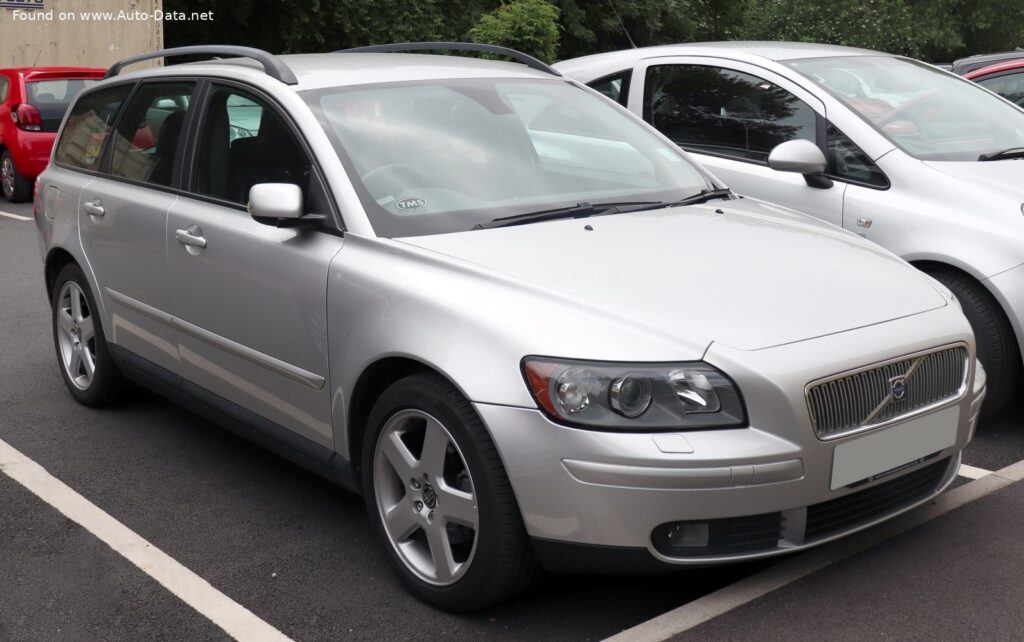
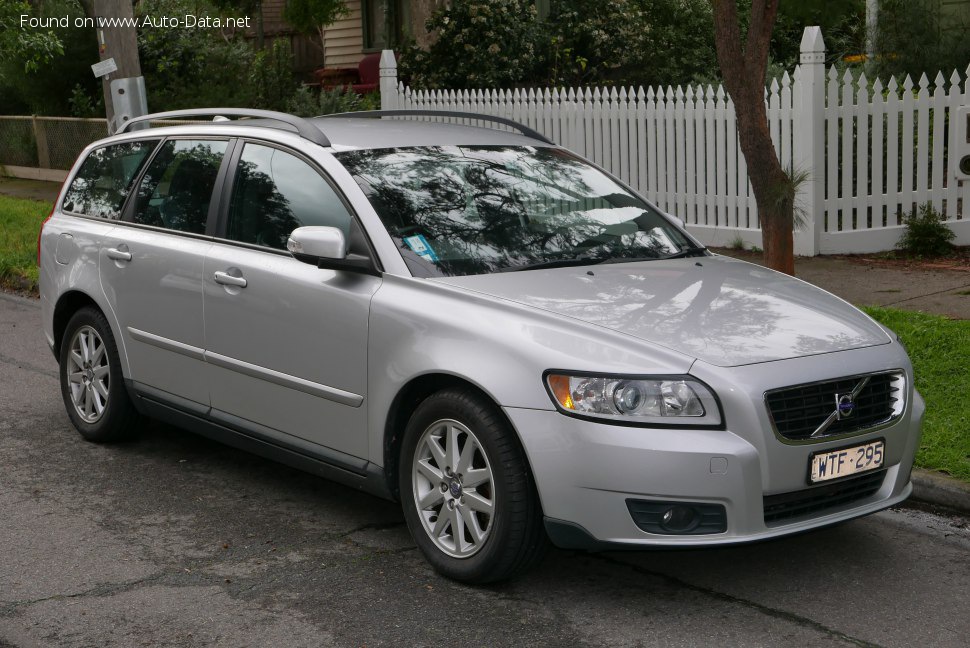
<p>The Volvo V50, a compact executive car produced by the Swedish automaker Volvo Cars, represented a pivotal model in the company’s lineup, particularly within the competitive European market. Introduced in 2004, the V50 was the station wagon variant of the S40 sedan, both sharing the Ford C1 platform with the Ford Focus and Mazda 3. This platform collaboration allowed Volvo to leverage shared engineering while maintaining its distinct brand identity centered on safety, practicality, and sophisticated Scandinavian design. The focus of this article is on the <strong>Volvo V50 (facelift 2007) 1.6 D DRIVe (109 Hp) start/stop</strong>, a highly efficient diesel variant that emerged from the model’s mid-cycle refresh.</p>
<p>The 2007 facelift brought subtle yet effective updates to the V50, enhancing its aesthetic appeal and refining its technological offerings. While the V50 was available with various powertrains globally, including gasoline engines that were popular in North America, the 1.6 D DRIVe variant was specifically engineered for the European market, where diesel engines and fuel economy were paramount considerations for consumers and fleet operators alike. This particular model, produced from 2007 to 2010, embodied Volvo’s commitment to environmental responsibility through its innovative DRIVe initiative, featuring a start/stop system to significantly reduce fuel consumption and CO2 emissions.</p>
<h2>Engine and Performance of the Volvo V50 (facelift 2007) 1.6 D DRIVe (109 Hp) start/stop</h2>
<p>At the heart of the <strong>Volvo V50 (facelift 2007) 1.6 D DRIVe (109 Hp) start/stop</strong> lies a highly optimized 1.6-liter (1560 cm<sup>3</sup>) inline-four turbo-diesel engine, designated D4164T. This powerplant, a result of a collaboration between Ford and PSA Peugeot Citroën, was renowned for its balance of efficiency and usable torque. It delivers 109 horsepower at 4000 rpm and a robust 177 lb.-ft. of torque at a low 1750 rpm. This low-end torque characteristic made the V50 1.6 D DRIVe particularly well-suited for everyday driving, offering responsive acceleration in urban environments and relaxed cruising on highways, despite its modest horsepower figure.</p>
<p>The engine’s sophisticated design includes a DOHC (Double Overhead Camshaft) valvetrain with 4 valves per cylinder, a common-rail direct fuel injection system, and a turbocharger with an intercooler. These technologies work in concert to ensure efficient combustion and optimal power delivery. With a compression ratio of 18.3:1, it was designed for maximum diesel efficiency. The vehicle’s performance figures reflect its emphasis on economy rather than outright speed, achieving 0-60 mph in a respectable 10.9 seconds and a top speed of 118 mph. Power is delivered to the front wheels via a smooth-shifting 5-speed manual transmission, a common choice for maximizing fuel efficiency in this segment.</p>
<p>The “DRIVe” designation signifies Volvo’s dedication to reducing environmental impact. This particular V50 variant was a pioneer in integrating a start/stop system, which automatically shuts off the engine when the vehicle is stationary and restarts it instantly when the driver presses the clutch. This feature, combined with other aerodynamic and efficiency enhancements, allowed the 1.6 D DRIVe to achieve remarkable fuel economy figures: an impressive 48 US mpg in urban driving, 69.2 US mpg on the extra-urban cycle, and a combined 60.3 US mpg. Its CO2 emissions of just 104 g/km were class-leading at the time, helping it meet the stringent Euro 4 emission standard and offering significant tax advantages in many European countries.</p>
<h2>Design and Features</h2>
<p>The Volvo V50, particularly in its station wagon body style, exemplifies Scandinavian design principles – clean lines, functional elegance, and a strong emphasis on practicality. The 2007 facelift introduced subtle exterior revisions, including new front and rear bumpers, redesigned headlights and taillights, and updated grille designs, which gave the V50 a fresher, more contemporary look while retaining its distinctive Volvo identity. Its five-door, five-seat configuration made it an ideal family car, offering versatility without the bulk of larger vehicles.</p>
<p>Inside, the V50 continued Volvo’s tradition of ergonomic and minimalist design. The cabin featured high-quality materials and excellent build quality. A defining feature was the slim, “floating” center console, a design element first introduced in the larger S40/V50 models, which provided a unique aesthetic and practical storage space behind it. While the 1.6 D DRIVe was positioned as an efficiency leader, it did not compromise on essential features. Standard equipment included power steering, ABS (Anti-lock Braking System), and a suite of airbags, underscoring Volvo’s unwavering commitment to safety. The independent McPherson strut front suspension and multi-link rear suspension provided a comfortable and composed ride, characteristic of Volvo vehicles.</p>
<p>Practicality was a key selling point for the V50 wagon. It offered a generous trunk space of 14.73 cubic feet (417 liters) with the rear seats up, expanding to a substantial 46.16 cubic feet (1307 liters) when the rear seats were folded down. This made it highly capable of accommodating luggage, sports equipment, or groceries, catering to the diverse needs of its European customer base. The ability to carry a maximum roof load of 165.35 lbs. (75 kg) further enhanced its utility for active lifestyles. The availability of various tire and wheel sizes (from 195/65 R15 to 215/45 R18) allowed for customization in terms of ride comfort and handling characteristics.</p>
<h2>Technical Specifications</h2>
<table border=”1″ style=”width:100%; border-collapse: collapse;”>
<thead>
<tr>
<th style=”padding: 8px; text-align: left; background-color: #f2f2f2;”>Category</th>
<th style=”padding: 8px; text-align: left; background-color: #f2f2f2;”>Specification</th>
</tr>
</thead>
<tbody>
<tr><td style=”padding: 8px; border: 1px solid #ddd;”><strong>General Information</strong></td><td style=”padding: 8px; border: 1px solid #ddd;”></td></tr>
<tr><td style=”padding: 8px; border: 1px solid #ddd;”>Brand</td><td style=”padding: 8px; border: 1px solid #ddd;”>Volvo</td></tr>
<tr><td style=”padding: 8px; border: 1px solid #ddd;”>Model</td><td style=”padding: 8px; border: 1px solid #ddd;”>V50</td></tr>
<tr><td style=”padding: 8px; border: 1px solid #ddd;”>Generation</td><td style=”padding: 8px; border: 1px solid #ddd;”>V50 (facelift 2007)</td></tr>
<tr><td style=”padding: 8px; border: 1px solid #ddd;”>Type (Engine)</td><td style=”padding: 8px; border: 1px solid #ddd;”>1.6 D DRIVe (109 Hp) start/stop</td></tr>
<tr><td style=”padding: 8px; border: 1px solid #ddd;”>Production Start</td><td style=”padding: 8px; border: 1px solid #ddd;”>2007 year</td></tr>
<tr><td style=”padding: 8px; border: 1px solid #ddd;”>Production End</td><td style=”padding: 8px; border: 1px solid #ddd;”>2010 year</td></tr>
<tr><td style=”padding: 8px; border: 1px solid #ddd;”>Powertrain Architecture</td><td style=”padding: 8px; border: 1px solid #ddd;”>Internal Combustion engine</td></tr>
<tr><td style=”padding: 8px; border: 1px solid #ddd;”>Body Type</td><td style=”padding: 8px; border: 1px solid #ddd;”>Station wagon (estate)</td></tr>
<tr><td style=”padding: 8px; border: 1px solid #ddd;”>Seats</td><td style=”padding: 8px; border: 1px solid #ddd;”>5</td></tr>
<tr><td style=”padding: 8px; border: 1px solid #ddd;”>Doors</td><td style=”padding: 8px; border: 1px solid #ddd;”>5</td></tr>
<tr><td style=”padding: 8px; border: 1px solid #ddd;”><strong>Performance Specs</strong></td><td style=”padding: 8px; border: 1px solid #ddd;”></td></tr>
<tr><td style=”padding: 8px; border: 1px solid #ddd;”>Fuel Economy – Urban (NEDC)</td><td style=”padding: 8px; border: 1px solid #ddd;”>4.9 l/100 km (48 US mpg)</td></tr>
<tr><td style=”padding: 8px; border: 1px solid #ddd;”>Fuel Economy – Extra Urban (NEDC)</td><td style=”padding: 8px; border: 1px solid #ddd;”>3.4 l/100 km (69.2 US mpg)</td></tr>
<tr><td style=”padding: 8px; border: 1px solid #ddd;”>Fuel Economy – Combined (NEDC)</td><td style=”padding: 8px; border: 1px solid #ddd;”>3.9 l/100 km (60.3 US mpg)</td></tr>
<tr><td style=”padding: 8px; border: 1px solid #ddd;”>CO2 Emissions (NEDC)</td><td style=”padding: 8px; border: 1px solid #ddd;”>104 g/km</td></tr>
<tr><td style=”padding: 8px; border: 1px solid #ddd;”>Fuel Type</td><td style=”padding: 8px; border: 1px solid #ddd;”>Diesel</td></tr>
<tr><td style=”padding: 8px; border: 1px solid #ddd;”>Acceleration 0 – 60 mph</td><td style=”padding: 8px; border: 1px solid #ddd;”>10.9 sec</td></tr>
<tr><td style=”padding: 8px; border: 1px solid #ddd;”>Maximum Speed</td><td style=”padding: 8px; border: 1px solid #ddd;”>118.06 mph (190 km/h)</td></tr>
<tr><td style=”padding: 8px; border: 1px solid #ddd;”>Emission Standard</td><td style=”padding: 8px; border: 1px solid #ddd;”>Euro 4</td></tr>
<tr><td style=”padding: 8px; border: 1px solid #ddd;”>Weight-to-Power Ratio</td><td style=”padding: 8px; border: 1px solid #ddd;”>12.1 kg/Hp (82.6 Hp/tonne)</td></tr>
<tr><td style=”padding: 8px; border: 1px solid #ddd;”><strong>Engine Specs</strong></td><td style=”padding: 8px; border: 1px solid #ddd;”></td></tr>
<tr><td style=”padding: 8px; border: 1px solid #ddd;”>Power</td><td style=”padding: 8px; border: 1px solid #ddd;”>109 Hp @ 4000 rpm</td></tr>
<tr><td style=”padding: 8px; border: 1px solid #ddd;”>Power per Liter</td><td style=”padding: 8px; border: 1px solid #ddd;”>69.9 Hp/l</td></tr>
<tr><td style=”padding: 8px; border: 1px solid #ddd;”>Torque</td><td style=”padding: 8px; border: 1px solid #ddd;”>177.01 lb.-ft. (240 Nm) @ 1750 rpm</td></tr>
<tr><td style=”padding: 8px; border: 1px solid #ddd;”>Engine Layout</td><td style=”padding: 8px; border: 1px solid #ddd;”>Front, Transverse</td></tr>
<tr><td style=”padding: 8px; border: 1px solid #ddd;”>Engine Model/Code</td><td style=”padding: 8px; border: 1px solid #ddd;”>D4164T</td></tr>
<tr><td style=”padding: 8px; border: 1px solid #ddd;”>Engine Displacement</td><td style=”padding: 8px; border: 1px solid #ddd;”>1.6 l (1560 cm<sup>3</sup> / 95.2 cu. in.)</td></tr>
<tr><td style=”padding: 8px; border: 1px solid #ddd;”>Number of Cylinders</td><td style=”padding: 8px; border: 1px solid #ddd;”>4, Inline</td></tr>
<tr><td style=”padding: 8px; border: 1px solid #ddd;”>Cylinder Bore</td><td style=”padding: 8px; border: 1px solid #ddd;”>2.95 in. (75 mm)</td></tr>
<tr><td style=”padding: 8px; border: 1px solid #ddd;”>Piston Stroke</td><td style=”padding: 8px; border: 1px solid #ddd;”>3.48 in. (88.3 mm)</td></tr>
<tr><td style=”padding: 8px; border: 1px solid #ddd;”>Compression Ratio</td><td style=”padding: 8px; border: 1px solid #ddd;”>18.3:1</td></tr>
<tr><td style=”padding: 8px; border: 1px solid #ddd;”>Valves per Cylinder</td><td style=”padding: 8px; border: 1px solid #ddd;”>4</td></tr>
<tr><td style=”padding: 8px; border: 1px solid #ddd;”>Fuel Injection System</td><td style=”padding: 8px; border: 1px solid #ddd;”>Diesel Commonrail</td></tr>
<tr><td style=”padding: 8px; border: 1px solid #ddd;”>Engine Aspiration</td><td style=”padding: 8px; border: 1px solid #ddd;”>Turbocharger, Intercooler</td></tr>
<tr><td style=”padding: 8px;