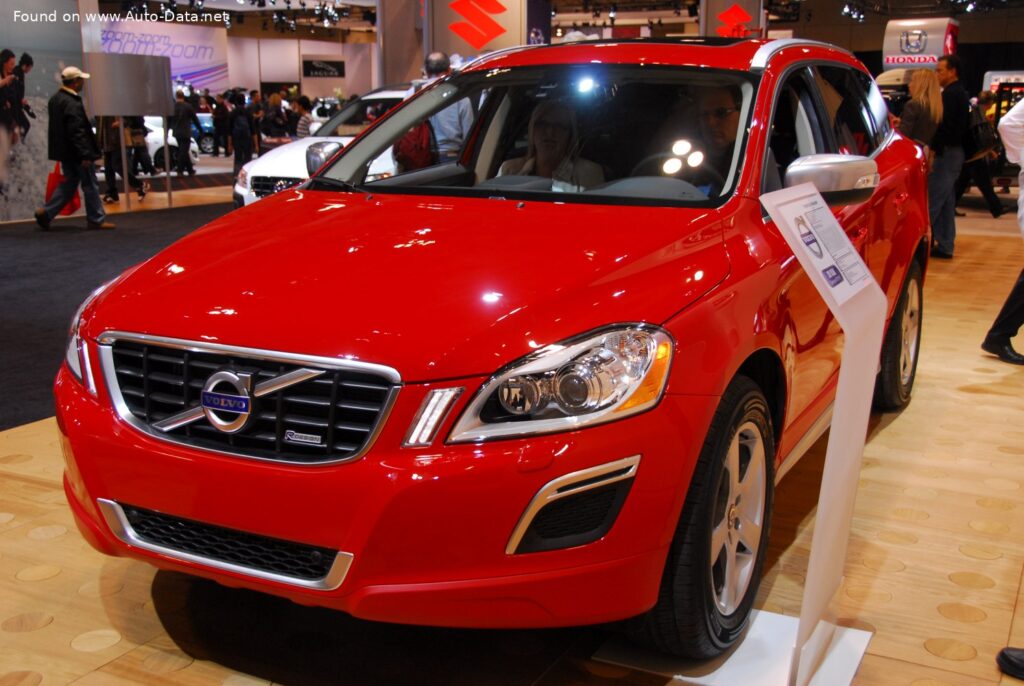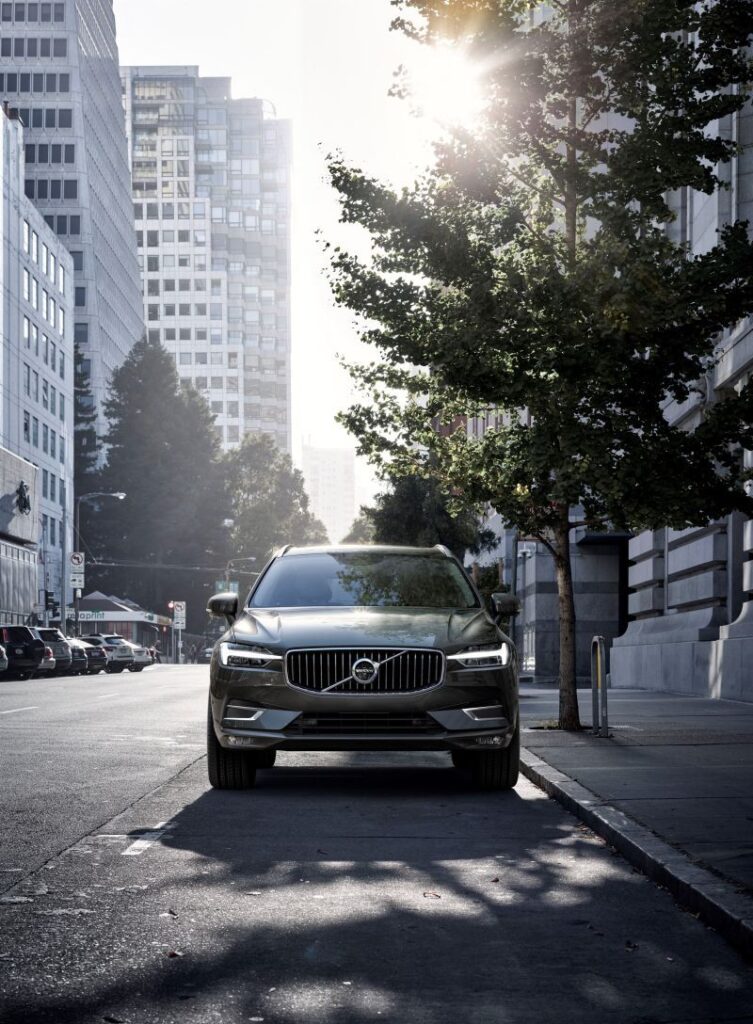
The Volvo XC60 II 2.0 D3 (150 Hp) is a compact luxury crossover SUV produced by the Swedish manufacturer Volvo between 2018 and March 2021. Representing the second generation of the XC60, this model aimed to build upon the success of its predecessor by offering a blend of Scandinavian design, advanced safety features, and efficient powertrain options. While not officially sold in the United States during this specific iteration, the XC60 is a globally significant vehicle, particularly popular in Europe where it competes with models like the Audi Q5, BMW X3, and Mercedes-Benz GLC. The “D3” designation indicates a diesel engine variant, specifically a 2.0-liter turbocharged four-cylinder, tuned for fuel economy and moderate performance.
Volvo XC60 II: Overview and Market Position
The XC60 II marked a significant step forward for Volvo in terms of design and technology. Launched in 2017 as a 2018 model, it moved away from the more angular styling of previous Volvos towards a more refined and sculpted aesthetic. The second-generation XC60 shared its Scalable Product Architecture (SPA) platform with the larger XC90, allowing for a wider range of powertrain options and advanced technologies. The 2.0 D3 variant was primarily targeted at European markets where diesel engines remained popular due to their fuel efficiency and lower running costs. It offered a balance between performance and economy, making it a practical choice for everyday driving.
Engine & Performance
The heart of the XC60 II 2.0 D3 is a 2.0-liter inline-four cylinder diesel engine, designated D4204T4. This engine produces 150 horsepower at 4250 rpm and 350 Nm (258.15 lb.-ft.) of torque between 1500 and 2520 rpm. The engine utilizes a twin-turbocharger setup with an intercooler to enhance both power and efficiency. Fuel is delivered via a diesel commonrail direct injection system. Power is sent to the front wheels through a six-speed manual transmission. Acceleration from 0 to 100 km/h (0-62 mph) takes 10.2 seconds, while 0 to 60 mph is achieved in approximately 9.7 seconds. The vehicle has a maximum speed of 190 km/h (118.06 mph). Fuel economy is a strong point, with combined cycle figures ranging from 5.0 to 5.2 liters per 100 kilometers (47 to 45.2 US mpg). The engine meets Euro 6d-Temp emission standards, incorporating a particulate filter to reduce harmful emissions.
Design & Features
The Volvo XC60 II boasts a sleek and modern exterior design characterized by its Thor’s Hammer LED headlights, a prominent grille, and a sloping roofline. The body style is a five-door SUV/Crossover, offering seating for five passengers. Inside, the cabin is minimalist and luxurious, emphasizing Scandinavian design principles. Key features include a vertically oriented touchscreen infotainment system, a digital instrument cluster, and high-quality materials throughout. Safety is a paramount concern for Volvo, and the XC60 II is equipped with a comprehensive suite of advanced driver-assistance systems (ADAS), including City Safety (automatic emergency braking), Lane Keeping Assist, and Blind Spot Information System. The vehicle offers 505 liters (17.83 cu. ft.) of trunk space with the rear seats up, expanding to 1432 liters (50.57 cu. ft.) when the seats are folded down. Practicality is further enhanced by a 55-liter (14.53 US gal) fuel tank and a 11.5-liter (3.04 US gal) AdBlue tank for reducing NOx emissions.
Technical Specifications
| Brand | Volvo |
| Model | XC60 |
| Generation | XC60 II |
| Type (Engine) | 2.0 D3 (150 Hp) |
| Start of production | 2018 |
| End of production | March, 2021 |
| Powertrain Architecture | Internal Combustion engine |
| Body type | SUV, Crossover |
| Seats | 5 |
| Doors | 5 |
| Fuel consumption (urban) | 6.0-5.9 l/100 km (39.2 – 39.9 US mpg) |
| Fuel consumption (extra urban) | 4.4-4.7 l/100 km (53.5 – 50 US mpg) |
| Fuel consumption (combined) | 5.0-5.2 l/100 km (47 – 45.2 US mpg) |
| CO2 emissions | 131-136 g/km |
| Fuel Type | Diesel |
| Acceleration 0 – 100 km/h | 10.2 sec |
| Acceleration 0 – 62 mph | 10.2 sec |
| Acceleration 0 – 60 mph | 9.7 sec |
| Maximum speed | 190 km/h (118.06 mph) |
| Power | 150 Hp @ 4250 rpm |
| Torque | 350 Nm @ 1500-2520 rpm (258.15 lb.-ft. @ 1500-2520 rpm) |
| Engine displacement | 1969 cm3 (120.16 cu. in.) |
| Number of cylinders | 4 |
| Engine layout | Front, Transverse |
| Kerb Weight | 1920 kg (4232.88 lbs.) |
| Trunk (boot) space – minimum | 505 l (17.83 cu. ft.) |
| Trunk (boot) space – maximum | 1432 l (50.57 cu. ft.) |
| Fuel tank capacity | 55 l (14.53 US gal) |
| Length | 4688 mm (184.57 in.) |
| Width | 1902 mm (74.88 in.) |
| Height | 1658 mm (65.28 in.) |
| Wheelbase | 2865 mm (112.8 in.) |
| Number of gears | 6 |
| Gearbox type | Manual transmission |
The Volvo XC60 II 2.0 D3 represented a compelling offering in the compact luxury crossover segment, particularly in European markets. Its combination of stylish design, efficient diesel powertrain, advanced safety features, and comfortable interior made it a popular choice for discerning buyers. While the diesel variant wasn’t widely available in the US, the XC60 II as a whole established Volvo as a major player in the global luxury SUV market.