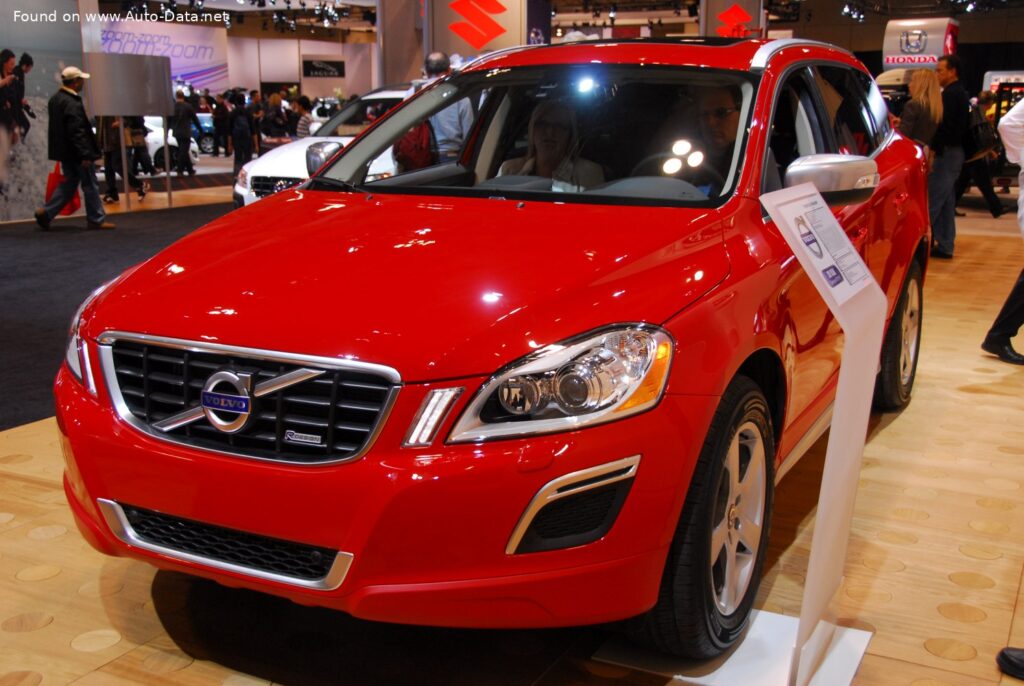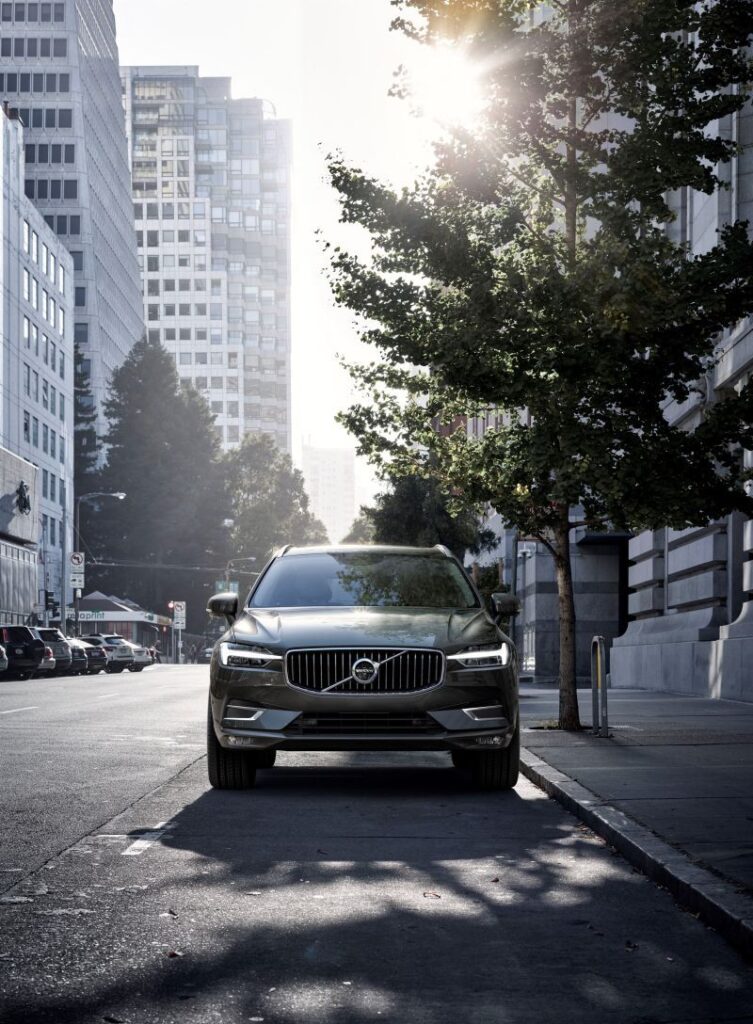
The Volvo XC60 II 2.0 T8 TwEn (303 Hp) Plug-in Hybrid AWD Geartronic represents Volvo’s second-generation XC60, a compact luxury SUV that debuted in February 2018 and remained in production until March 2019. Positioned within the premium crossover segment, the XC60 II aimed to blend Scandinavian design with advanced technology and a focus on sustainability, particularly through its plug-in hybrid powertrain. This model was a key component of Volvo’s strategy to electrify its lineup, offering a compelling alternative to traditional gasoline-powered SUVs. While not initially a high-volume seller in the US market compared to German rivals, the XC60 II established Volvo as a serious contender in the luxury SUV space, emphasizing safety, comfort, and environmental responsibility.
Volvo XC60 II: A Technological Overview
The XC60 II 2.0 T8 TwEn is a plug-in hybrid electric vehicle (PHEV) that combines a 2.0-liter turbocharged and supercharged four-cylinder gasoline engine with an electric motor. This configuration delivers a combined output of 303 horsepower and 400 Newton-meters (295 lb-ft) of torque. The “TwEn” designation signifies Volvo’s twin engine technology, highlighting the integration of both internal combustion and electric power sources. The vehicle utilizes an 8-speed automatic transmission (Geartronic) and an all-wheel-drive system, providing both efficiency and capable handling in various driving conditions. The electric motor, positioned on the rear axle, allows for both all-electric driving and torque vectoring for improved stability.
Engine & Performance
At the heart of the XC60 II 2.0 T8 TwEn lies Volvo’s Drive-E 2.0-liter inline-four cylinder engine, designated B4204T34. This engine employs both turbocharging and supercharging to deliver a broad torque curve and responsive performance. Direct fuel injection further enhances efficiency and power output. The engine produces 303 horsepower at 6000 rpm and 400 Nm (295 lb-ft) of torque between 2200 and 4800 rpm. Supplementing this is an 87 horsepower electric motor, delivering 240 Nm (177 lb-ft) of torque. This combination allows for a 0-60 mph acceleration time of approximately 5.2 seconds and a top speed of 230 km/h (143 mph). The all-wheel-drive system intelligently distributes power between the front and rear axles, optimizing traction and stability. The vehicle’s weight-to-power ratio is 7.1 kg/Hp, and the weight-to-torque ratio is 5.4 kg/Nm.
Design & Features
The XC60 II boasts a sleek and modern exterior design, embodying Volvo’s Scandinavian aesthetic. The SUV features a distinctive “Thor’s Hammer” LED headlight design and a clean, minimalist grille. The body style is a five-door crossover SUV with seating for five passengers. Inside, the XC60 II offers a luxurious and spacious cabin with high-quality materials and a focus on comfort. Key features include a large touchscreen infotainment system, a digital instrument cluster, and a suite of advanced safety technologies. As a plug-in hybrid, the XC60 II prioritizes fuel efficiency and reduced emissions. It offers an all-electric range of 33-37 km (20.5-23 miles) according to WLTP standards, and 41-43 km (25.5-26.7 miles) according to NEDC standards. The battery, with a gross capacity of 10.4 kWh, is located in the central tunnel, contributing to a lower center of gravity and improved handling. Safety features include ABS, and a comprehensive suite of driver-assistance systems.
Technical Specifications
| General Information | |
| Brand | Volvo |
| Model | XC60 |
| Generation | XC60 II |
| Type (Engine) | 2.0 T8 TwEn (303 Hp) Plug-in Hybrid AWD Geartronic |
| Start of production | February, 2018 |
| End of production | March, 2019 |
| Powertrain Architecture | PHEV (Plug-in Hybrid Electric Vehicle) |
| Body type | SUV, Crossover |
| Seats | 5 |
| Doors | 5 |
| Performance Specs | |
| Combined fuel consumption (WLTP) | 2.8-3.4 l/100 km (84 – 69.2 US mpg) |
| CO2 emissions (WLTP) | 64-78 g/km |
| Fuel consumption (NEDC) – combined | 2.3-2.4 l/100 km (102.3 – 98 US mpg) |
| CO2 emissions (NEDC) | 51-55 g/km |
| Fuel Type | Petrol / electricity |
| Acceleration 0 – 100 km/h | 5.5 sec |
| Acceleration 0 – 62 mph | 5.5 sec |
| Acceleration 0 – 60 mph | 5.2 sec |
| Maximum speed | 230 km/h (142.92 mph) |
| Electric & Hybrid Specs | |
| Gross battery capacity | 10.4 kWh |
| Battery voltage | 400 V |
| Battery technology | Lithium-ion (Li-Ion) |
| Battery location | In the central tunnel |
| All-electric range (WLTP) | 33-37 km (20.51 – 22.99 mi) |
| All-electric range (NEDC) | 41-43 km (25.48 – 26.72 mi) |
| Average Energy consumption (WLTP) | 15.1-16 kWh/100 km |
| Average Energy consumption (NEDC) | 15.6-16.6 kWh/100 km |
| Max speed (electric) | 125 km/h (77.67 mph) |
| Electric motor power | 87 Hp @ 7000 rpm |
| Electric motor Torque | 240 Nm @ 0-3000 rpm (177.01 lb.-ft. @ 0-3000 rpm) |
| Engine Specs | |
| Power | 303 Hp @ 6000 rpm |
| Torque | 400 Nm @ 2200-4800 rpm (295.02 lb.-ft. @ 2200-4800 rpm) |
| Engine displacement | 1969 cm3 (120.16 cu. in.) |
| Number of cylinders | 4 |
| Engine configuration | Inline |
| Dimensions & Weights | |
| Kerb Weight | 2148 kg (4735.53 lbs.) |
| Max. weight | 2660 kg (5864.3 lbs.) |
| Trunk (boot) space – minimum | 468 l (16.53 cu. ft.) |
| Trunk (boot) space – maximum | 1395 l (49.26 cu. ft.) |
| Fuel tank capacity | 70 l (18.49 US gal) |
| Length | 4688 mm (184.57 in.) |
| Width | 1902 mm (74.88 in.) |
| Height | 1658 mm (65.28 in.) |