The Volvo XC60 II 2.0 T8 TwEn (320 Hp) Plug-in Hybrid AWD Geartronic represents Volvo’s foray into a more efficient and technologically advanced compact luxury SUV. Introduced in 2017 and continuing through 2018, this second-generation XC60 built upon the success of its predecessor, offering a blend of Scandinavian design, safety features, and a sophisticated plug-in hybrid powertrain. Positioned within the premium crossover segment, the XC60 II aimed to compete with established rivals like the BMW X3, Audi Q5, and Mercedes-Benz GLC, offering a distinctive alternative with its emphasis on sustainability and driver assistance technologies.
Volvo XC60 II: A Plug-in Hybrid Pioneer
The XC60 II marked a significant step forward for Volvo in terms of electrification. The “T8 TwEn” designation signifies the model’s powertrain configuration: a 2.0-liter turbocharged and supercharged four-cylinder engine paired with an electric motor. This combination delivers a total system output of 320 horsepower, providing brisk acceleration and respectable fuel economy. The “TwEn” indicates the dual-engine setup, highlighting the integration of both internal combustion and electric power sources. The XC60 II was a key model in Volvo’s strategy to offer a fully electrified lineup, showcasing the brand’s commitment to reducing its carbon footprint.
Engine & Performance
At the heart of the XC60 II 2.0 T8 TwEn lies a 1.969-liter (120.16 cubic inches) inline four-cylinder engine, designated B4204T35. This engine utilizes both turbocharging and supercharging to deliver a broad torque curve and responsive performance. Producing 320 horsepower at 5700 rpm and 400 Nm (295.02 lb-ft) of torque between 2200-5400 rpm, the engine provides ample power for everyday driving and confident overtaking. The engine features direct fuel injection and a double overhead camshaft (DOHC) valvetrain.
Complementing the internal combustion engine is an 87 horsepower electric motor located on the rear axle. This electric motor delivers 240 Nm (177.01 lb-ft) of torque, providing instant responsiveness and all-wheel-drive capability. The combined powertrain allows for a 0-100 km/h (0-62 mph) acceleration time of 5.3 seconds and a top speed of 230 km/h (142.92 mph). The XC60 II can operate in several modes, including pure electric mode for short commutes, hybrid mode for optimal efficiency, and power mode for maximum performance. The 10.4 kWh lithium-ion battery, positioned in the central tunnel, provides an all-electric range of 45 km (27.96 miles) based on the NEDC cycle.
Design & Features
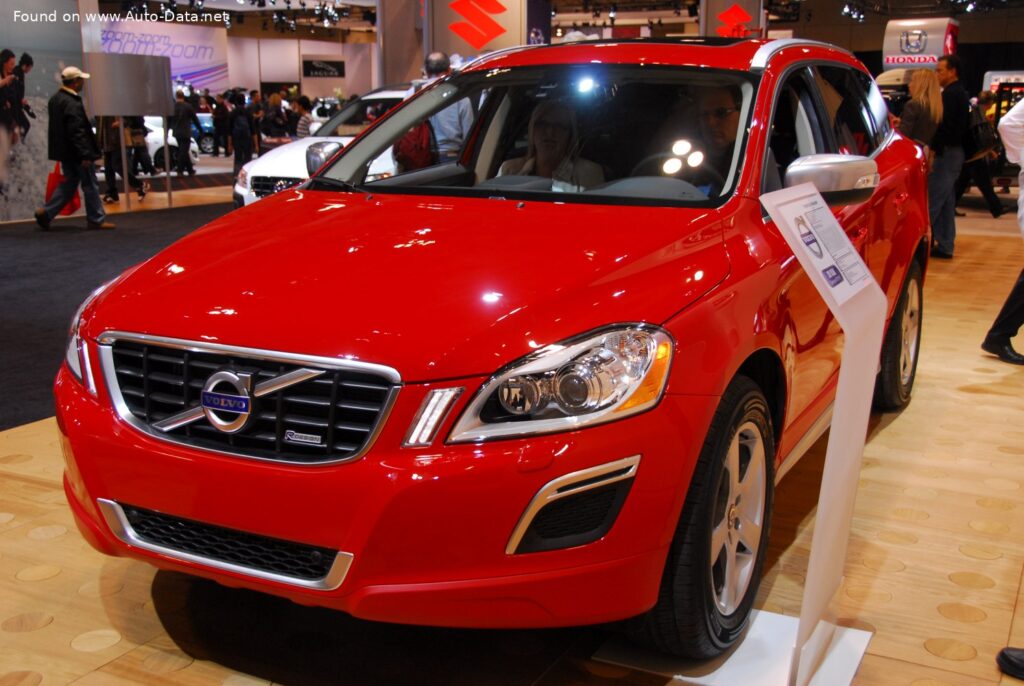
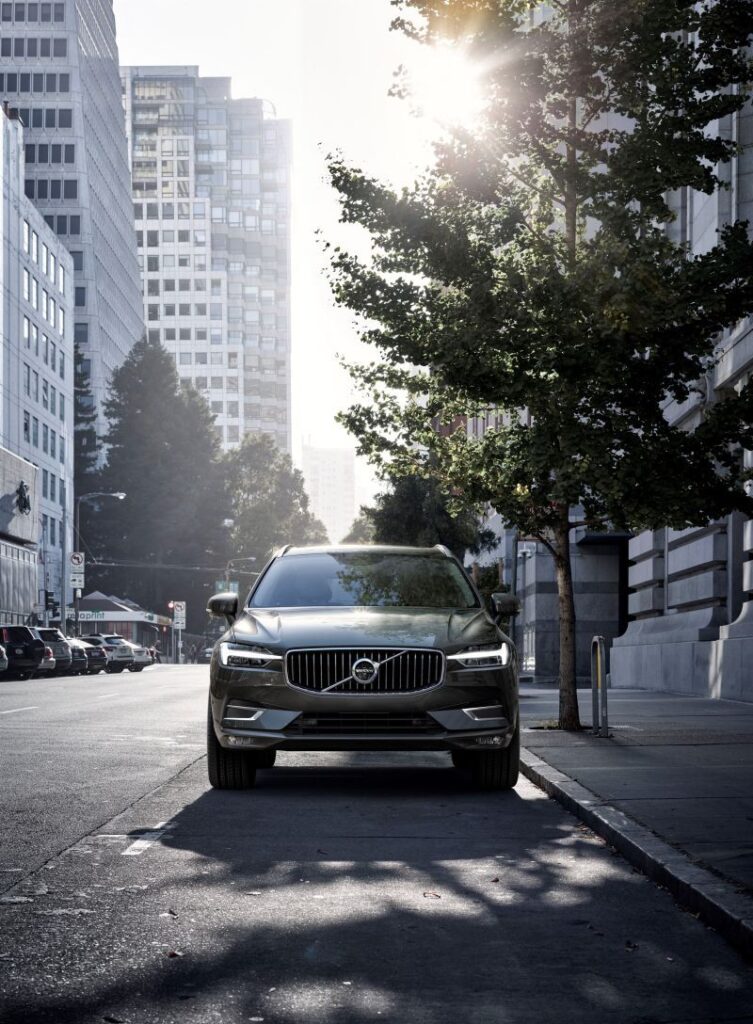
The Volvo XC60 II boasts a sleek and modern exterior design, embodying the Scandinavian aesthetic that Volvo is known for. The SUV features a distinctive “Thor’s Hammer” LED headlight design, a prominent grille, and a sculpted body profile. Its body type is a five-door SUV/Crossover, offering seating for five passengers. Inside, the XC60 II offers a luxurious and minimalist cabin, characterized by high-quality materials, comfortable seating, and a large touchscreen infotainment system.
Safety is a paramount concern for Volvo, and the XC60 II is equipped with a comprehensive suite of advanced driver-assistance systems (ADAS). These include ABS (Anti-lock Braking System), City Safety (Volvo’s collision avoidance system), lane keeping assist, and adaptive cruise control. The XC60 II also offers features such as a panoramic sunroof, premium audio system, and a power liftgate. The vehicle’s dimensions are 4688 mm (184.57 in) in length, 1902 mm (74.88 in) in width, and 1658 mm (65.28 in) in height, with a wheelbase of 2865 mm (112.8 in). Trunk space ranges from 505 liters (17.83 cu ft) with the rear seats up to 1432 liters (50.57 cu ft) with the rear seats folded down.
Technical Specifications
| Brand | Volvo |
| Model | XC60 |
| Generation | XC60 II |
| Type (Engine) | 2.0 T8 TwEn (320 Hp) Plug-in Hybrid AWD Geartronic |
| Start of production | 2017 |
| End of production | 2018 |
| Powertrain Architecture | PHEV (Plug-in Hybrid Electric Vehicle) |
| Body type | SUV, Crossover |
| Seats | 5 |
| Doors | 5 |
| Fuel consumption (combined) | 2.1 l/100 km (112 US mpg, 134.5 UK mpg, 47.6 km/l) |
| CO2 emissions | 49 g/km |
| Fuel Type | Petrol / electricity |
| Acceleration 0 – 100 km/h | 5.3 sec |
| Acceleration 0 – 60 mph | 5 sec |
| Maximum speed | 230 km/h (142.92 mph) |
| Gross battery capacity | 10.4 kWh |
| Battery voltage | 400 V |
| Battery technology | Lithium-ion (Li-Ion) |
| All-electric range | 45 km (27.96 mi) |
| Average Energy consumption | 17.8 kWh/100 km (28.65 kWh/100 mi, 118 MPGe, 5.6 km/kWh, 3.5 mi/kWh) |
| Max speed (electric) | 125 km/h (77.67 mph) |
| Electric motor power | 87 Hp @ 7000 rpm |
| Electric motor Torque | 240 Nm @ 0-3000 rpm (177.01 lb.-ft. @ 0-3000 rpm) |
| Power | 320 Hp @ 5700 rpm |
| Torque | 400 Nm @ 2200-5400 rpm (295.02 lb.-ft. @ 2200-5400 rpm) |
| Engine displacement | 1969 cm3 (120.16 cu. in.) |
| Kerb Weight | 2120 kg (4673.8 lbs.) |
| Max. weight | 2660 kg (5864.3 lbs.) |
| Trunk (boot) space – minimum | 505 l (17.83 cu. ft.) |
| Trunk (boot) space – maximum | 1432 l (50.57 cu. ft.) |
| Fuel tank capacity | 50 l (13.21 US gal | 11 UK gal) |
| Length | 4688 mm (184.57 in.) |
| Width | 1902 mm (74.88 in.) |
| Height | 1658 mm (65.28 in.) |
| Wheelbase | 2865 mm (112.8 in.) |
| Number of gears | 8 |
| Gearbox type | automatic transmission Geartronic |