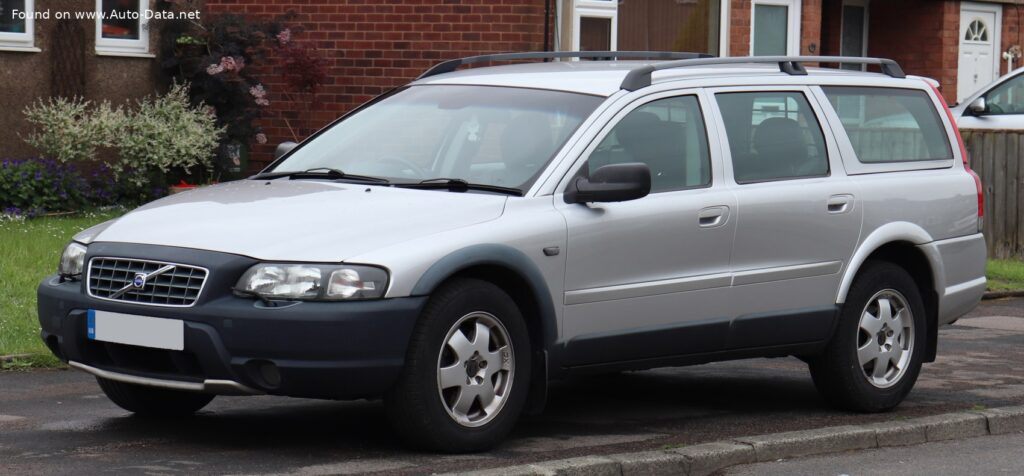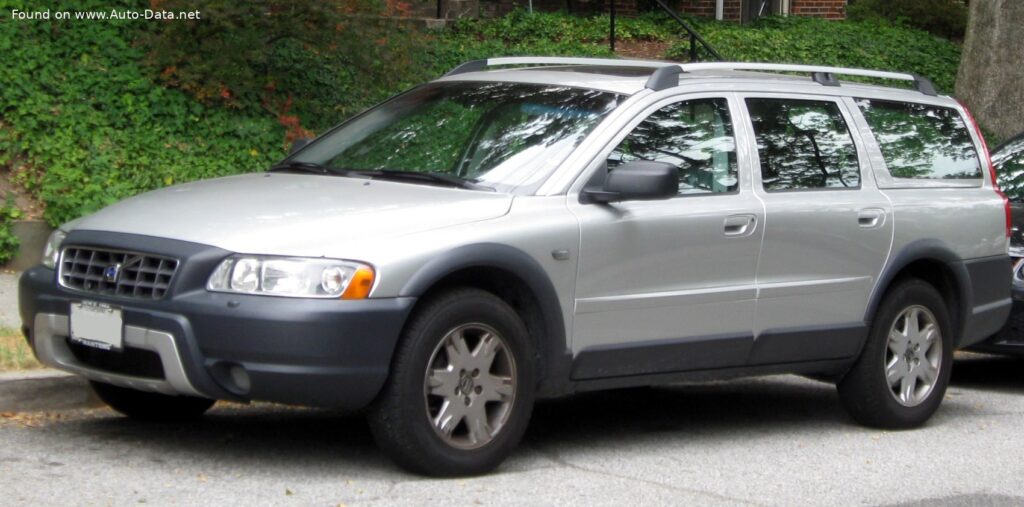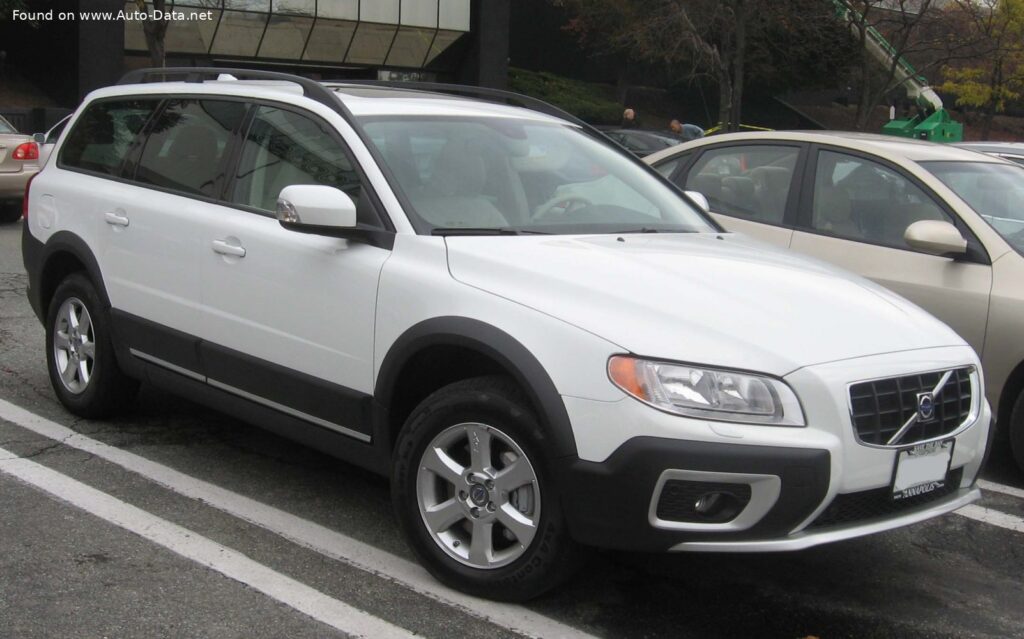
The Volvo XC70 II 2.4 D5 AWD, produced between 2011 and 2013, represents the second generation of Volvo’s rugged, all-wheel-drive wagon. Positioned as a crossover estate, the XC70 aimed to blend the practicality of a station wagon with the capability and elevated driving position of a sport utility vehicle. While not officially sold in the United States during its production run, the XC70 was a popular model in Europe, offering a compelling alternative to more conventional SUVs. It built upon Volvo’s reputation for safety, durability, and understated Scandinavian design, appealing to buyers seeking a versatile and capable vehicle for both on-road and light off-road adventures.
Volvo XC70 II: A Detailed Overview
The XC70 II was part of Volvo’s broader strategy to expand its model range and cater to a wider audience. It shared its platform with the Volvo S60 and V60, but distinguished itself through its increased ground clearance, standard all-wheel drive, and more robust exterior styling. The “II” designation signifies the second generation of the XC70, which brought refinements to the original model, including updated styling, improved fuel efficiency, and enhanced safety features. The 2.4 D5 variant, equipped with a turbocharged diesel engine, was a particularly popular choice in European markets due to its balance of performance and economy.
Engine & Performance
The heart of the XC70 II 2.4 D5 AWD is a 2.4-liter inline-five cylinder diesel engine, designated the D5244T11. This engine produces 215 horsepower at 4,000 rpm and a substantial 440 Nm (324.53 lb.-ft.) of torque between 1,500 and 3,000 rpm. The turbocharger and intercooler work in concert to deliver responsive performance and strong pulling power across a wide rev range. Power is delivered to all four wheels via a six-speed automatic transmission, providing confident traction in various conditions. Acceleration from 0 to 100 km/h (0-62 mph) takes 8.3 seconds, while the 0-60 mph sprint is achieved in a calculated 7.9 seconds. The engine’s relatively high torque output, combined with the all-wheel-drive system, makes the XC70 a capable towing vehicle. Fuel economy is respectable for a vehicle of its size and capability, achieving approximately 6.8 l/100 km (34.6 US mpg) on a combined cycle. The engine meets Euro 5 emission standards.
Design & Features
The Volvo XC70 II boasts a classic station wagon silhouette, enhanced with crossover-inspired design cues. These include rugged body cladding, protective skid plates, and increased ride height. The vehicle’s exterior styling is characterized by Volvo’s signature clean lines and understated elegance. Inside, the XC70 offers a comfortable and spacious cabin with seating for five passengers. The interior is well-appointed, with a focus on functionality and practicality. Key features include a generous cargo area (575 liters/20.31 cu. ft. minimum), comfortable seating, and a user-friendly infotainment system. Safety is a paramount concern for Volvo, and the XC70 II is equipped with a comprehensive suite of safety features, including ABS (Anti-lock Braking System) and numerous other passive and active safety systems. The vehicle’s robust construction and advanced safety technologies contribute to its excellent safety ratings.
Technical Specifications
| Brand | Volvo |
| Model | XC70 |
| Generation | XC70 II |
| Type (Engine) | 2.4 D5 (215 Hp) AWD |
| Start of production | 2011 |
| End of production | 2013 |
| Powertrain Architecture | Internal Combustion engine |
| Body type | Station wagon (estate), Crossover |
| Seats | 5 |
| Doors | 5 |
| Fuel consumption (urban) | 8.7 l/100 km (27 US mpg) |
| Fuel consumption (extra urban) | 5.7 l/100 km (41.3 US mpg) |
| Fuel consumption (combined) | 6.8 l/100 km (34.6 US mpg) |
| Fuel Type | Diesel |
| Acceleration 0 – 100 km/h | 8.3 sec |
| Acceleration 0 – 62 mph | 8.3 sec |
| Acceleration 0 – 60 mph | 7.9 sec |
| Emission standard | Euro 5 |
| Weight-to-power ratio | 8.4 kg/Hp |
| Weight-to-torque ratio | 4.1 kg/Nm |
| Power | 215 Hp @ 4000 rpm |
| Torque | 440 Nm @ 1500-3000 rpm (324.53 lb.-ft.) |
| Engine layout | Front, Transverse |
| Engine Model/Code | D5244T11 |
| Engine displacement | 2400 cm3 (146.46 cu. in.) |
| Number of cylinders | 5 |
| Engine configuration | Inline |
| Cylinder Bore | 81 mm (3.19 in.) |
| Piston Stroke | 93.15 mm (3.67 in.) |
| Fuel injection system | Diesel Commonrail |
| Engine aspiration | Turbocharger, Intercooler |
| Engine oil capacity | 5.9 l (6.23 US qt | 5.19 UK qt) |
| Coolant | 8.9 l (9.4 US qt | 7.83 UK qt) |
| Kerb Weight | 1810 kg (3990.37 lbs.) |
| Max. weight | 2400 kg (5291.09 lbs.) |
| Max load | 590 kg (1300.73 lbs.) |
| Trunk (boot) space – minimum | 575 l (20.31 cu. ft.) |
| Fuel tank capacity | 70 l (18.49 US gal | 15.4 UK gal) |
| Length | 4838 mm (190.47 in.) |
| Width | 1870 mm (73.62 in.) |
| Height | 1604 mm (63.15 in.) |
| Wheelbase | 2815 mm (110.83 in.) |
| Front track | 1614 mm (63.54 in.) |
| Rear (Back) track | 1580 mm (62.2 in.) |
| Minimum turning circle | 12 m (39.37 ft.) |
| Drive wheel | All wheel drive (4×4) |
| Number of gears | 6 |
| Gearbox type | automatic transmission |
The Volvo XC70 II 2.4 D5 AWD offered a compelling package for buyers seeking a versatile, safe, and capable vehicle. Its blend of station wagon practicality, crossover styling, and robust diesel engine made it a popular choice in European markets, and a testament to Volvo’s commitment to building vehicles that prioritize both functionality and driver enjoyment.