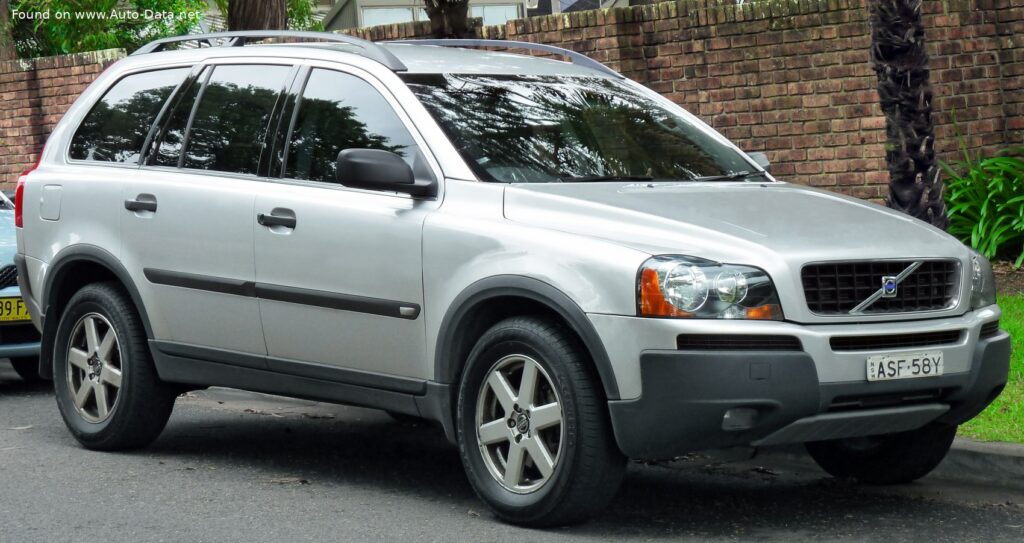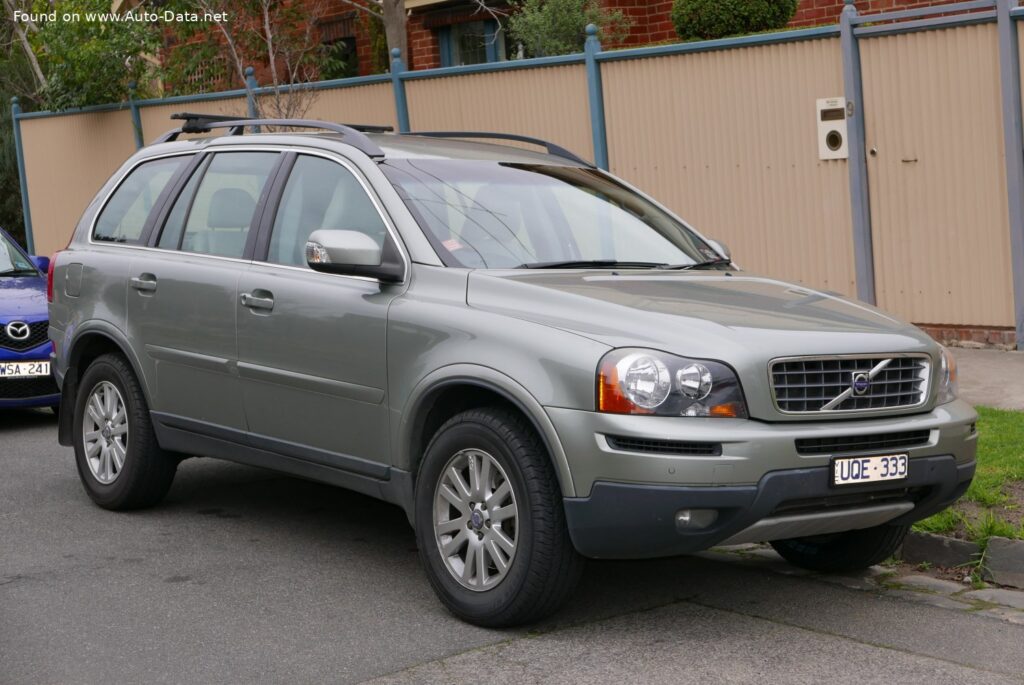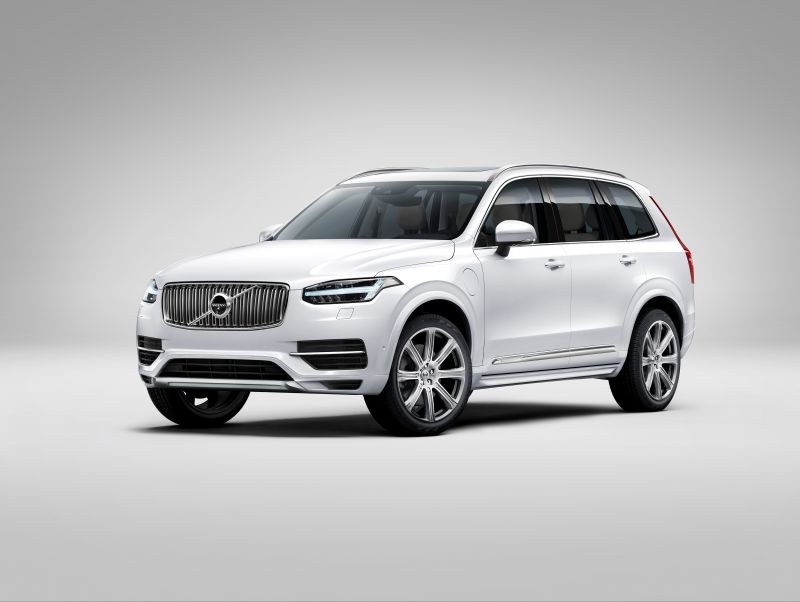
The Volvo XC90 II 2.0 D4 Automatic, produced from 2015 to 2018, represents the second generation of Volvo’s flagship seven-seat SUV. This model marked a significant departure for Volvo, introducing a new scalable product architecture (SPA) and a focus on Scandinavian luxury and advanced safety features. While not initially sold in the United States during this specific generation and powertrain configuration, the XC90 is a globally recognized premium SUV, particularly popular in Europe where diesel engines remain prevalent. The “D4” designation indicates a four-cylinder diesel engine with approximately 190 horsepower, offering a balance of performance and fuel efficiency.
Volvo XC90 II 2.0 D4: An Overview
The XC90 II was a crucial model for Volvo, signaling the brand’s commitment to a more upscale and technologically advanced future following its acquisition by Geely. It aimed to compete directly with established luxury SUVs from German manufacturers like BMW, Audi, and Mercedes-Benz. The 2.0 D4 variant, with its front-wheel-drive configuration, was designed to appeal to buyers prioritizing fuel economy and practicality without sacrificing the comfort and space expected from a large SUV. This generation of XC90 prioritized a refined driving experience and a minimalist, yet luxurious interior.
Engine & Performance
The heart of the XC90 II 2.0 D4 is a 2.0-liter inline four-cylinder diesel engine, designated D4204T14. Despite its relatively small displacement, this engine produces 190 horsepower at 4250 rpm and a substantial 400 Nm (295.02 lb.-ft.) of torque between 1750 and 2500 rpm. This torque output provides strong acceleration and effortless cruising, particularly beneficial for a vehicle of this size. The engine utilizes a twin-turbocharger system with an intercooler, enhancing both power and efficiency. Fuel is delivered via a diesel commonrail direct injection system.
Power is transmitted to the front wheels through an eight-speed automatic transmission. This gearbox contributes to smooth gear changes and optimized fuel consumption. Performance figures include a 0-100 km/h (0-62 mph) acceleration time of 9.2 seconds, and a 0-60 mph time of approximately 8.7 seconds. The XC90 II 2.0 D4 achieves a maximum speed of 205 km/h (127.38 mph). Fuel economy is a strong point, with combined cycle consumption rated at 5.2 l/100 km (45.2 US mpg or 54.3 UK mpg), and CO2 emissions of 136 g/km, meeting Euro 6 emission standards.
Design & Features
The Volvo XC90 II boasts a sophisticated and elegant exterior design, embodying Volvo’s Scandinavian design language. The SUV features a prominent grille, “Thor’s Hammer” LED daytime running lights, and a sleek, flowing silhouette. The body style is a traditional five-door SUV, offering seating for five to seven passengers depending on the configuration.
Inside, the XC90 II is characterized by a minimalist and luxurious cabin. High-quality materials, including wood trim, leather upholstery, and metal accents, create a premium ambiance. The centerpiece of the interior is a large, vertically oriented touchscreen infotainment system that controls most vehicle functions. Safety is paramount, and the XC90 II is equipped with a comprehensive suite of advanced driver-assistance systems (ADAS), including ABS, automatic emergency braking, lane keeping assist, and adaptive cruise control. Other notable features include a panoramic sunroof, premium audio system, and a power tailgate. The vehicle offers a 71-liter (18.76 US gal) fuel tank and a maximum roof load capacity of 100 kg (220.46 lbs).
Technical Specifications
| Brand | Volvo |
| Model | XC90 |
| Generation | XC90 II |
| Type (Engine) | 2.0 D4 (190 Hp) Automatic |
| Start of production | 2015 |
| End of production | 2018 |
| Powertrain Architecture | Internal Combustion engine |
| Body type | SUV |
| Seats | 5-7 |
| Doors | 5 |
| Fuel consumption (urban) | 5.8 l/100 km (40.6 US mpg) |
| Fuel consumption (extra urban) | 4.9 l/100 km (48 US mpg) |
| Fuel consumption (combined) | 5.2 l/100 km (45.2 US mpg) |
| CO2 emissions | 136 g/km |
| Fuel Type | Diesel |
| Acceleration 0 – 100 km/h | 9.2 sec |
| Acceleration 0 – 62 mph | 9.2 sec |
| Acceleration 0 – 60 mph | 8.7 sec |
| Maximum speed | 205 km/h (127.38 mph) |
| Emission standard | Euro 6 |
| Power | 190 Hp @ 4250 rpm |
| Torque | 400 Nm @ 1750-2500 rpm (295.02 lb.-ft.) |
| Engine layout | Front, Transverse |
| Engine Model/Code | D4204T14 |
| Engine displacement | 1969 cm3 (120.16 cu. in.) |
| Number of cylinders | 4 |
| Engine configuration | Inline |
| Cylinder Bore | 82 mm (3.23 in.) |
| Piston Stroke | 93.2 mm (3.67 in.) |
| Compression ratio | 15.8:1 |
| Number of valves per cylinder | 4 |
| Fuel injection system | Diesel Commonrail |
| Engine aspiration | Twin-Turbo, Intercooler |
| Engine oil capacity | 5.2 l (5.49 US qt | 4.58 UK qt) |
| Fuel tank capacity | 71 l (18.76 US gal | 15.62 UK gal) |
| Max. roof load | 100 kg (220.46 lbs.) |
| Length | 4950 mm (194.88 in.) |
| Width with mirrors folded | 2008 mm (79.06 in.) |
| Width including mirrors | 2140 mm (84.25 in.) |
| Height | 1776 mm (69.92 in.) |
| Wheelbase | 2984 mm (117.48 in.) |
| Front track | 1665-1676 mm (65.55 – 65.98 in.) |
| Rear track | 1667-1679 mm (65.63 – 66.1 in.) |
| Ride height (ground clearance) | 227-267 mm (8.94 – 10.51 in.) |
| Drag coefficient (Cd) | 0.29 |
| Drivetrain Architecture | ICE, Front wheel drive |
| Number of gears and type of gearbox | 8 gears, automatic transmission |
| Front suspension | Double wishbone |
| Rear suspension | Independent coil spring |
| Front brakes | Ventilated discs |
| Rear brakes | Disc |
| Assisting systems | ABS |
| Steering type | Steering rack and pinion |
| Power steering | Electric |
The Volvo XC90 II 2.0 D4 Automatic represented a significant step forward for the brand, blending Scandinavian design, advanced technology, and a focus on safety and sustainability. While the diesel variant wasn’t widely available in the US market, it remains a popular and well-regarded SUV in Europe and other regions.