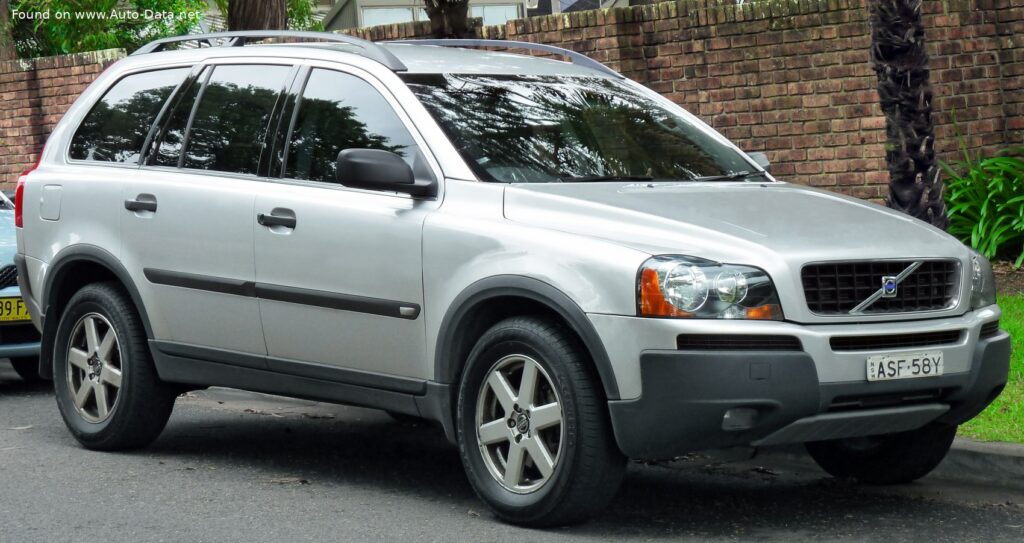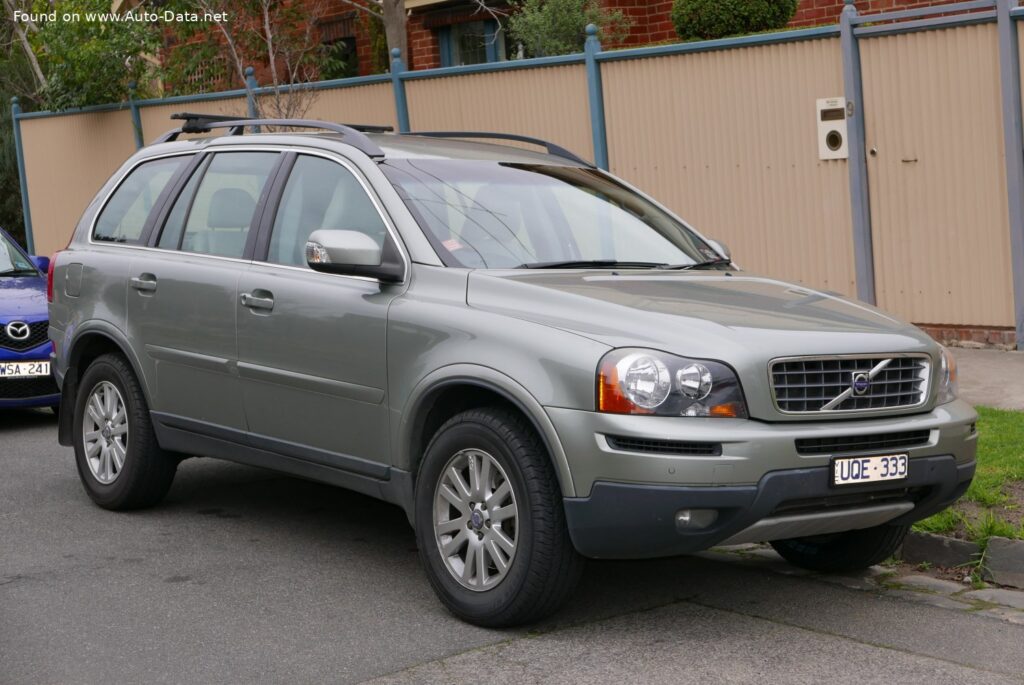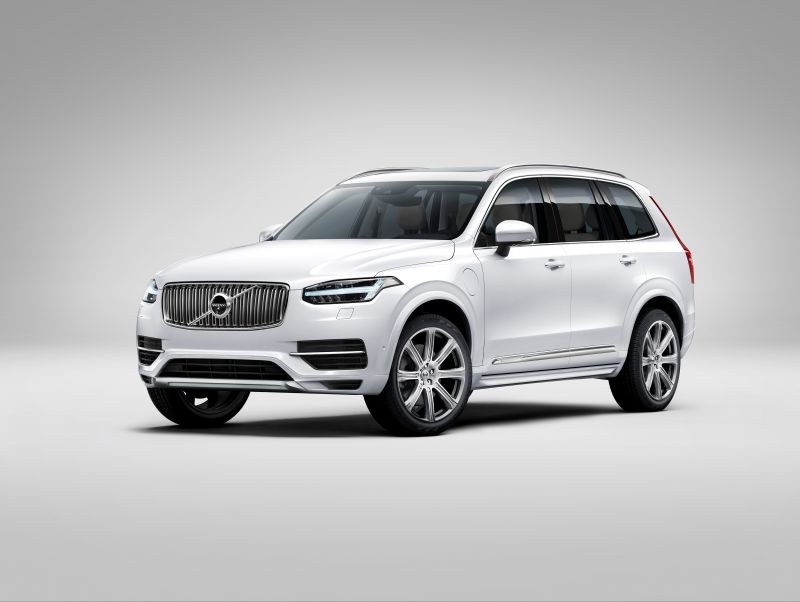
The Volvo XC90 II 2.0 T6 AWD Automatic represents a significant iteration of Volvo’s flagship SUV, produced from 2017 to 2018. This model year marked the second generation (XC90 II) of the XC90, a vehicle that had originally established Volvo as a major player in the luxury SUV segment. The 2.0 T6 variant, equipped with a 310 horsepower engine and all-wheel drive, positioned itself as a mid-to-upper range offering within the XC90 II lineup, appealing to buyers seeking a balance of performance, luxury, and practicality. It was built on the Scalable Product Architecture (SPA) platform, a modular chassis designed to underpin a range of Volvo models.
Powertrain & Engine Architecture
At the heart of the XC90 II 2.0 T6 lies the B4204T29 engine, a 2.0-liter inline-four cylinder gasoline engine. This engine is notable for its sophisticated forced induction system, combining both a turbocharger and a supercharger. The supercharger provides immediate boost at lower engine speeds, eliminating turbo lag and delivering responsive acceleration. As engine speed increases, the turbocharger takes over, providing sustained power throughout the rev range. This dual-charging setup results in a broad torque curve and a refined driving experience. The engine utilizes direct fuel injection, optimizing combustion efficiency and power output.
The engine produces 310 horsepower at 5700 rpm and 400 Nm (295.02 lb-ft) of torque between 2220 and 5100 rpm. The engine features a DOHC (Double Overhead Camshaft) valvetrain with four valves per cylinder, further enhancing its breathing and performance. The engine’s displacement is 1969 cm³ (120.16 cu. in.) with a compression ratio of 10.3:1. The engine oil capacity is 5.6 liters (5.92 US qt / 4.93 UK qt).
The 2.0 T6 is paired with an 8-speed automatic transmission, developed in-house by Volvo and Aisin. This transmission is designed for smooth and efficient gear changes, contributing to both performance and fuel economy. The transmission features a wide gear ratio spread, allowing for both strong acceleration and relaxed highway cruising. All-wheel drive (AWD) is standard, providing enhanced traction and stability in all weather conditions. The AWD system is primarily front-wheel drive, engaging the rear wheels as needed to maintain optimal grip.
Driving Characteristics
The XC90 II 2.0 T6 Automatic delivers a refined and capable driving experience. The combination of the turbocharged and supercharged engine, along with the 8-speed automatic transmission, provides brisk acceleration. Independent tests confirm a 0-60 mph time of approximately 6.2 seconds, and a 0-100 km/h time of 6.5 seconds. The dual-charging system ensures minimal turbo lag, providing a responsive feel even at lower speeds. The automatic transmission shifts smoothly and intelligently, selecting the appropriate gear for the driving conditions.
Compared to the base T5 model, the T6 offers a significant performance upgrade. While the T5 prioritizes fuel efficiency, the T6 focuses on delivering a more engaging and powerful driving experience. Compared to potential future higher-performance Polestar-engineered versions, the T6 offers a more balanced approach, prioritizing comfort and usability alongside performance. The AWD system provides confident handling in various conditions, enhancing stability and control. The steering is light and precise, making the XC90 II easy to maneuver in urban environments.
Equipment & Trim Levels
The XC90 II 2.0 T6 typically came well-equipped as standard. Common features included leather upholstery, a panoramic sunroof, a premium sound system, and a suite of advanced safety technologies. The interior featured a minimalist Scandinavian design, emphasizing clean lines and high-quality materials. The standard dashboard configuration included a large touchscreen display that controlled most of the vehicle’s functions, including navigation, climate control, and entertainment.
Optional extras for the T6 trim included features such as upgraded leather upholstery, ventilated front seats, a head-up display, and advanced driver-assistance systems like Pilot Assist (Volvo’s semi-autonomous driving technology). Available packages often bundled several options together, offering convenience and value. The XC90 II was available with either 5 or 7 seats, depending on customer preference. The third-row seats were relatively spacious for a vehicle in this class, making the XC90 II a practical choice for families.
Chassis & Braking
The XC90 II utilizes a double wishbone front suspension and a transverse stabilizer, providing a comfortable and controlled ride. The rear suspension features a transverse stabilizer and torsion beam. This suspension setup is tuned to balance ride comfort with handling performance. The chassis is designed to minimize noise, vibration, and harshness, creating a refined driving experience.
The braking system consists of ventilated discs on all four wheels, with front discs measuring 345 mm and rear discs measuring 320 mm. The XC90 II is equipped with ABS (Anti-lock Braking System), Electronic Stability Control, and Traction Control as standard safety features. The steering system is a rack and pinion type with electric power steering, providing precise and responsive steering feel.
Market Reception & Comparison
The Volvo XC90 II 2.0 T6 was generally well-received by automotive critics. It was praised for its stylish design, luxurious interior, and strong performance. The dual-charged engine was a particular highlight, offering a unique combination of responsiveness and power. Fuel economy was considered respectable for a vehicle of its size and performance, with combined fuel consumption figures around 8.1 l/100 km (29 US mpg / 34.9 UK mpg).
Compared to competitors like the Audi Q7, BMW X5, and Mercedes-Benz GLE, the XC90 II offered a distinctive Scandinavian aesthetic and a focus on safety. While some critics noted that the touchscreen-based infotainment system could be distracting, others appreciated its simplicity and elegance. The XC90 II’s reliability was generally considered good, although some owners reported minor issues with the infotainment system and electronic components.
Technical Specifications
| Engine Model/Code | B4204T29 |
| Engine Displacement | 1969 cm³ (120.16 cu. in.) |
| Number of Cylinders | 4, Inline |
| Power | 310 Hp @ 5700 rpm |
| Torque | 400 Nm @ 2220-5100 rpm (295.02 lb.-ft.) |
| Fuel Type | Petrol (Gasoline) |
| Fuel Consumption (Urban) | 10.1 l/100 km (23.3 US mpg / 28 UK mpg) |
| Fuel Consumption (Extra Urban) | 6.9 l/100 km (34.1 US mpg / 40.9 UK mpg) |
| Fuel Consumption (Combined) | 8.1 l/100 km (29 US mpg / 34.9 UK mpg) |
| CO2 Emissions | 184 g/km |
| Acceleration 0-100 km/h | 6.5 sec |
| Acceleration 0-60 mph | 6.2 sec |
| Maximum Speed | 230 km/h (142.92 mph) |
| Fuel Tank Capacity | 71 l (18.76 US gal / 15.62 UK gal) |
| Length | 4950 mm (194.88 in.) |
| Width | 1923 mm (75.71 in.) |
| Height | 1776 mm (69.92 in.) |
| Wheelbase | 2984 mm (117.48 in.) |
| Transmission | 8-speed Automatic |
| Drive Type | All Wheel Drive (4×4) |
Legacy
The Volvo XC90 II 2.0 T6 AWD Automatic has proven to be a relatively reliable powertrain in the used car market. The engine, while complex with its dual-charging system, has demonstrated good durability when properly maintained. Regular oil changes and adherence to Volvo’s recommended service intervals are crucial for long-term reliability. Common issues reported by owners include occasional problems with the infotainment system and sensors.
Today, the XC90 II 2.0 T6 remains a popular choice for buyers seeking a luxurious and capable SUV. Its combination of performance, safety, and style continues to appeal to a wide range of customers. The vehicle’s strong resale value reflects its reputation for quality and durability. As Volvo transitions towards a fully electric future, the XC90 II 2.0 T6 represents a significant chapter in the brand’s history, showcasing its commitment to innovation and Scandinavian design.