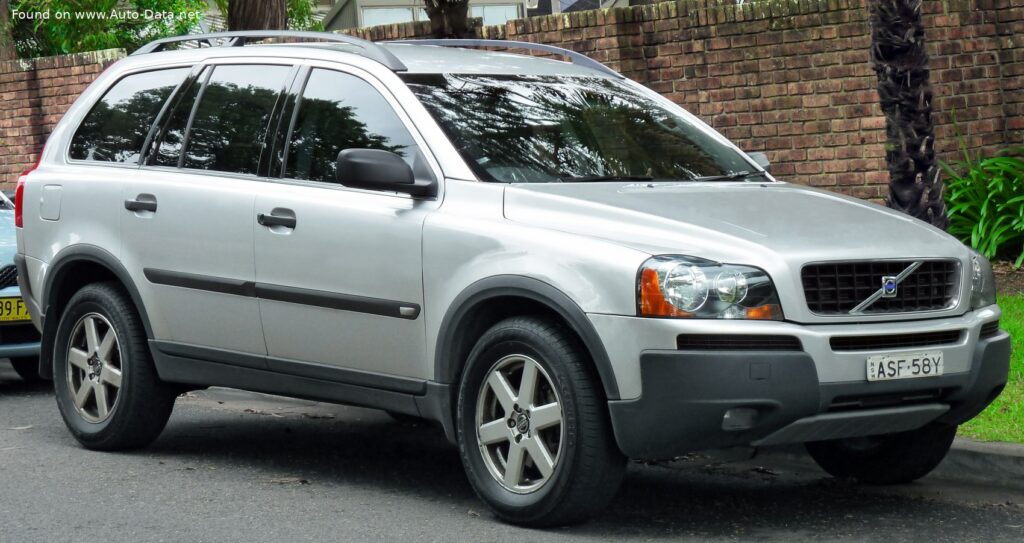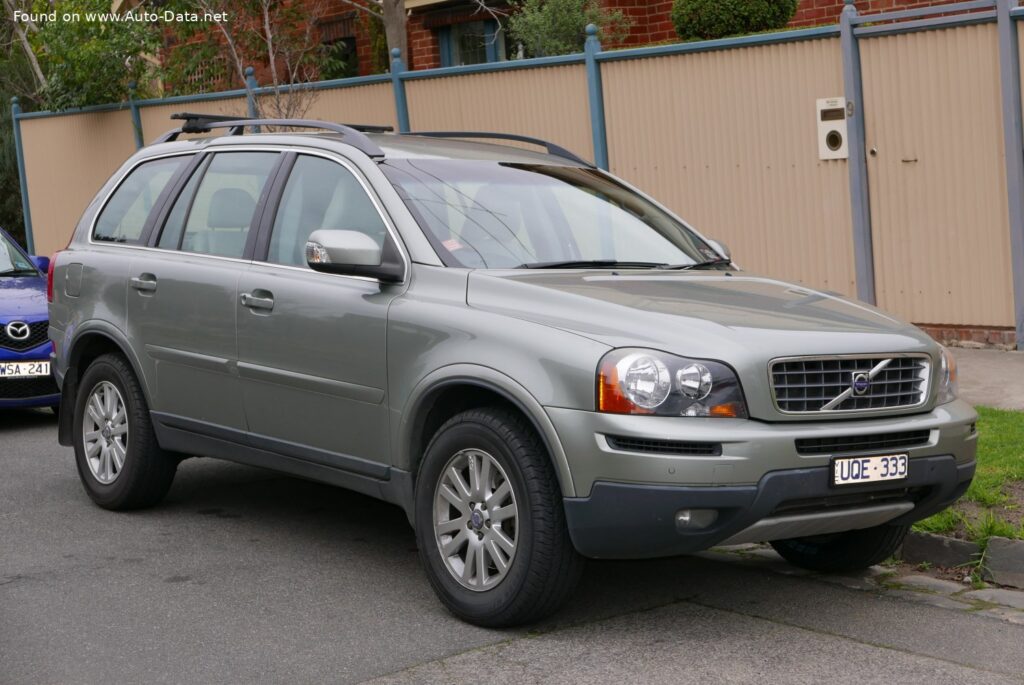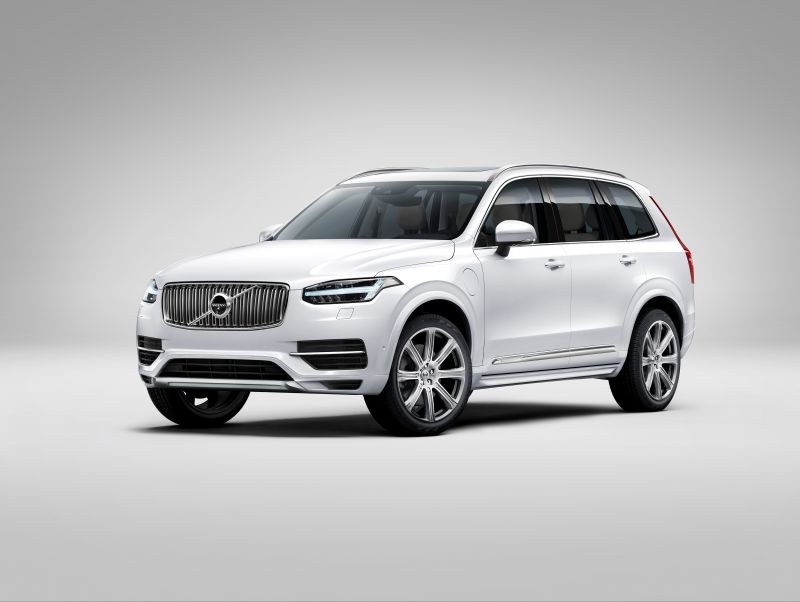
The Volvo XC90 II 2.0 T8 Twin Engine, produced from 2018 to 2019, represents a significant step in Volvo’s commitment to electrification and premium SUV design. This plug-in hybrid variant was positioned as a high-end offering within the second-generation XC90 (launched in 2015), sitting at the top of the range alongside the T6 model and above the base T5. Built on the Scalable Product Architecture (SPA) platform – Volvo’s modular vehicle architecture – the T8 Twin Engine combined a gasoline engine with an electric motor to deliver both performance and improved fuel efficiency. The XC90 II, in general, aimed to redefine the luxury SUV segment with its Scandinavian design aesthetic, advanced safety features, and focus on passenger comfort.
Powertrain & Engine Architecture
At the heart of the XC90 T8 Twin Engine lies the Drive-E 2.0-liter turbocharged and supercharged inline-four cylinder gasoline engine, designated the B4204T34. This engine produces 303 horsepower at 6000 rpm and 400 Nm (295.02 lb-ft) of torque between 2200 and 4800 rpm. The addition of both a turbocharger and a supercharger was designed to eliminate turbo lag and provide a broad, flat torque curve. Direct fuel injection further enhances efficiency and performance. The engine features a double overhead camshaft (DOHC) valvetrain with four valves per cylinder. It also incorporates Start & Stop technology and a particulate filter to reduce emissions, meeting Euro 6d-Temp standards.
Complementing the gasoline engine is an 87 hp electric motor, powered by a 10.4 kWh (gross) / 8 kWh (net/usable) lithium-ion battery pack. The battery is located in the central tunnel, minimizing impact on passenger or cargo space. The electric motor delivers 240 Nm (177.01 lb-ft) of torque available from 0-3000 rpm. The drivetrain architecture is complex, with the internal combustion engine permanently driving the front wheels and the electric motor powering the rear wheels. This allows for all-wheel drive capability and the ability to operate in full electric mode, gasoline-only mode, or a combined hybrid mode. Power is transmitted to the wheels via an 8-speed automatic transmission, branded “Geartronic” by Volvo.
Transmission Details
The 8-speed automatic transmission in the XC90 T8 is a key component of its efficiency and drivability. It’s designed to handle the combined output of the gasoline engine and electric motor seamlessly. While specific gear ratios aren’t widely published, the transmission is tuned for smooth shifts and optimal power delivery in both hybrid and electric modes. The Geartronic system also includes selectable driving modes, allowing the driver to prioritize fuel economy, performance, or a balanced approach.
Driving Characteristics
The XC90 T8 Twin Engine offers a unique driving experience. In pure electric mode, it provides silent and smooth acceleration, with a range of up to 40 km (24.85 miles) under NEDC testing conditions. The electric motor provides instant torque, making it well-suited for urban driving. When the gasoline engine engages, the combined output of 303 hp allows for brisk acceleration – 0-100 km/h (0-62 mph) in 5.8 seconds, and 0-60 mph in approximately 5.5 seconds. Compared to the T5 (250 hp) and T6 (316 hp) models, the T8 offers a different character. The T5 prioritizes fuel economy, while the T6 focuses on outright performance. The T8 strikes a balance, offering both efficiency and a respectable level of power. The all-wheel-drive system provides excellent traction in various weather conditions. The added weight of the battery pack (113 kg / 249.12 lbs) does slightly impact handling compared to lighter XC90 variants, but the suspension is tuned to provide a comfortable and controlled ride.
Equipment & Trim Levels
The XC90 T8 Twin Engine was typically offered with a high level of standard equipment, reflecting its premium positioning. Standard features generally included leather upholstery, a panoramic sunroof, a premium sound system, a 12.3-inch digital instrument cluster, and a 9-inch touchscreen infotainment system with Apple CarPlay and Android Auto compatibility. Safety features were also comprehensive, including Volvo’s City Safety system (automatic emergency braking), lane keeping assist, and adaptive cruise control. Optional extras included upgraded leather options, a Bowers & Wilkins premium sound system, and advanced driver-assistance features like Pilot Assist (semi-autonomous driving capability). Trim levels varied by market, but generally offered increasing levels of luxury and technology.
Chassis & Braking
The XC90 II utilizes a double wishbone front suspension and a transverse stabilizer bar, designed for comfort and stability. The rear suspension features a transverse stabilizer and leaf springs. This configuration provides a good balance between ride quality and handling. Braking duties are handled by ventilated discs on all four wheels – 366×30 mm at the front and 340×20 mm at the rear. The braking system is equipped with ABS (Anti-lock Braking System) and electronic brake-force distribution. The XC90 T8’s curb weight of 2309 kg (5090.47 lbs) is higher than other XC90 variants due to the added weight of the battery pack and electric motor, which necessitates a robust braking system.
Market Reception & Comparison
The Volvo XC90 T8 Twin Engine was generally well-received by critics, praised for its luxurious interior, comfortable ride, and impressive fuel efficiency. The plug-in hybrid powertrain was seen as a significant step forward for Volvo, demonstrating the brand’s commitment to sustainability. Fuel economy figures of 2.5-2.6 l/100 km (94.1 – 90.5 US mpg) combined (NEDC) were particularly noteworthy. Compared to the T6 model, the T8 offered similar performance with significantly improved fuel economy. However, the T8’s higher price point and added complexity were potential drawbacks for some buyers. Reliability reports have been generally positive, although the complexity of the hybrid system does introduce potential maintenance concerns.
Technical Specifications
| Brand | Volvo |
| Model | XC90 |
| Generation | XC90 II |
| Type | 2.0 T8 Twin Engine (303 Hp) Plug-in Hybrid AWD Geartronic |
| Start of production | 2018 |
| End of production | 2019 |
| Powertrain Architecture | PHEV (Plug-in Hybrid Electric Vehicle) |
| Body type | SUV |
| Seats | 7 |
| Doors | 5 |
| Fuel consumption (combined) | 2.5-2.6 l/100 km |
| CO2 emissions | 56-59 g/km |
| Fuel Type | Petrol / electricity |
| Acceleration 0-100 km/h | 5.8 sec |
| Acceleration 0-60 mph | 5.5 sec |
| Maximum speed | 230 km/h (142.92 mph) |
| Gross battery capacity | 10.4 kWh |
| Net battery capacity | 8 kWh |
| Battery voltage | 400 V |
| Battery technology | Lithium-ion (Li-Ion) |
| Battery weight | 113 kg (249.12 lbs) |
| All-electric range | 40 km (24.85 mi) |
| Engine Power | 303 Hp @ 6000 rpm |
| Engine Torque | 400 Nm @ 2200-4800 rpm (295.02 lb-ft) |
| Engine Displacement | 1969 cm3 (120.16 cu. in.) |
| Engine Configuration | Inline 4 |
| Kerb Weight | 2309 kg (5090.47 lbs) |
| Fuel tank capacity | 70 l (18.49 US gal) |
Legacy
The Volvo XC90 T8 Twin Engine played a crucial role in establishing Volvo as a leader in the plug-in hybrid market. While early hybrid systems sometimes suffered from reliability issues, the XC90 T8 has proven to be relatively dependable, although regular maintenance of the hybrid components is essential. On the used car market, the XC90 T8 continues to be a desirable option for buyers seeking a luxurious, fuel-efficient, and technologically advanced SUV. Its combination of performance, practicality, and environmental consciousness ensures its continued appeal for years to come. The success of the T8 paved the way for Volvo’s broader electrification strategy, with the company now offering a fully electric lineup.