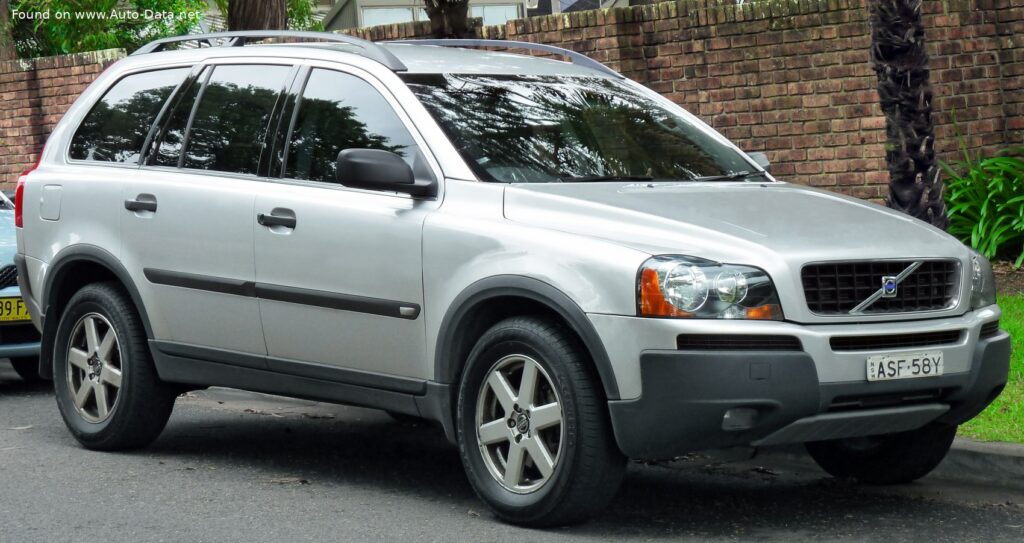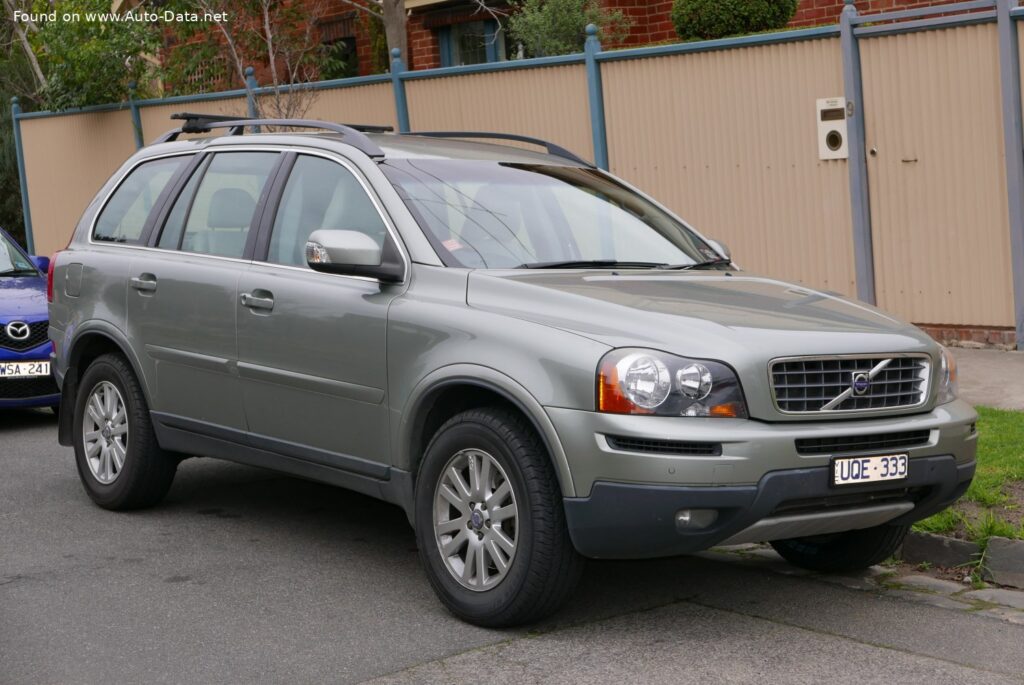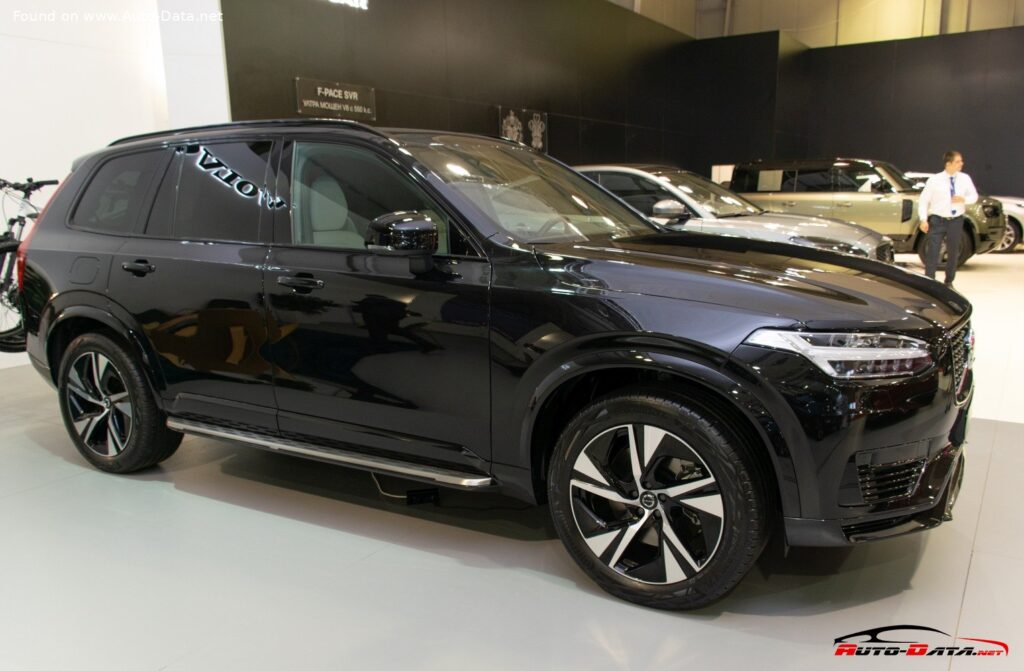
The Volvo XC90 II (facelift 2019) 2.0 B5, a 250 horsepower mild hybrid all-wheel drive automatic with seven seats, represents a significant iteration of Volvo’s flagship SUV. Introduced in August 2019 and continuing through September 2024, this variant occupied a crucial mid-range position within the XC90 lineup, offering a balance between performance, fuel efficiency, and luxury features. It builds upon the second-generation XC90 (introduced in 2014), designated the XC90 II, and incorporates styling and technological updates from the 2019 facelift. The B5 designation signifies Volvo’s new powertrain naming convention, indicating a mild hybrid system paired with a four-cylinder gasoline engine.
Powertrain & Engine Architecture
At the heart of the XC90 B5 lies the B420T2 engine, a 2.0-liter inline-four cylinder gasoline engine. This engine utilizes direct fuel injection and is coupled with a turbocharger and intercooler to enhance power output. The engine produces 250 hp at 5400-5700 rpm and 350 Nm (258.15 lb-ft) of torque between 1800-4800 rpm. A key feature of this powertrain is its 48-volt mild hybrid system. This system incorporates an integrated starter generator (ISG) and a small 48V battery. The ISG provides power assist during acceleration, enabling smoother starts and improved responsiveness, while also facilitating regenerative braking to recapture energy and improve fuel economy. The engine’s valvetrain employs a Double Overhead Camshaft (DOHC) configuration with four valves per cylinder, optimizing airflow for efficient combustion. Engine oil capacity is 6.1 liters (6.45 US quarts / 5.37 UK quarts), and the engine meets Euro 6d emission standards.
The engine is mated to an 8-speed automatic transmission, marketed by Volvo as “Geartronic.” This transmission is electronically controlled and designed for smooth and efficient gear changes. The all-wheel-drive system is on-demand, primarily driving the front wheels but engaging the rear wheels as needed via an electrically or mechanically controlled clutch, enhancing traction and stability in various driving conditions. The drivetrain architecture is designed to operate primarily in a mixed mode, seamlessly blending the power from the internal combustion engine and the electric motor.
Fuel Injection and Emissions Control
The B420T2 engine utilizes a sophisticated direct injection system, delivering fuel directly into the combustion chamber for precise control and improved efficiency. This system, combined with the turbocharging and mild hybrid technology, contributes to reduced emissions. The vehicle is equipped with a particulate filter to further minimize harmful exhaust particles, aligning with increasingly stringent emissions regulations.
Driving Characteristics
The XC90 B5 offers a refined and comfortable driving experience. While not as overtly sporty as some competitors, the 250 hp output and 350 Nm of torque provide adequate performance for everyday driving and highway cruising. Acceleration from 0 to 100 km/h (0-62 mph) takes approximately 7.7 seconds, and 0-60 mph is achieved in around 7.3 seconds. The mild hybrid system contributes to a responsive feel, particularly during initial acceleration. The 8-speed automatic transmission shifts smoothly and efficiently, and the all-wheel-drive system provides confident handling in various weather conditions. Compared to higher-output XC90 variants (like the T6 or T8 plug-in hybrid), the B5 offers a more economical driving experience, but with a noticeable difference in outright acceleration. The gear ratios are tuned for a balance between fuel efficiency and performance, prioritizing comfortable cruising over aggressive acceleration.
Equipment & Trim Levels
The XC90 B5 typically came well-equipped as standard, reflecting Volvo’s commitment to safety and luxury. Standard features generally included leather upholstery, a panoramic sunroof, a premium sound system, and a comprehensive suite of driver-assistance technologies, such as automatic emergency braking, lane keeping assist, and adaptive cruise control. The infotainment system, centered around a large touchscreen display, provides access to navigation, smartphone integration (Apple CarPlay and Android Auto), and vehicle settings. Optional extras available for the B5 trim included upgraded audio systems (Bowers & Wilkins), ventilated and massaging front seats, and a head-up display. Interior color schemes varied, offering choices in leather and trim materials to personalize the cabin. The seven-seat configuration is standard, providing ample space for passengers and cargo.
Chassis & Braking
The XC90 B5 utilizes a double wishbone front suspension and a transverse stabilizer bar, providing a comfortable ride and predictable handling. The rear suspension features a transverse stabilizer and leaf springs. The braking system consists of ventilated discs on all four wheels, with front discs measuring 345 mm and rear discs measuring 320 mm. The vehicle is equipped with ABS (Anti-lock Braking System) and electronic stability control as standard safety features. The steering system is an electric power steering rack and pinion, offering precise and responsive control. Ride height (ground clearance) is 223 mm (8.78 inches), providing adequate clearance for various road conditions.
Market Reception & Comparison
The Volvo XC90 B5 was generally well-received by automotive critics, praised for its comfortable ride, spacious interior, and advanced safety features. The mild hybrid powertrain was noted for its contribution to improved fuel economy and reduced emissions. Fuel consumption figures (WLTP) range from 8.4-9.7 l/100 km (28-24.2 US mpg), depending on driving conditions. Compared to the higher-output XC90 T6 and T8 models, the B5 offered a more affordable entry point into the XC90 range, appealing to buyers prioritizing value and efficiency. However, some reviewers noted that the B5’s performance was not as exhilarating as that of its more powerful siblings. Reliability reports generally indicate good overall reliability for the XC90, with the B5 powertrain proving to be relatively robust. CO2 emissions range from 191-221 g/km (WLTP).
Technical Specifications
| Brand | Volvo |
| Model | XC90 |
| Generation | XC90 II (facelift 2019) |
| Type | 2.0 B5 (250 Hp) Mild Hybrid AWD Automatic 7 Seat |
| Start of production | August, 2019 |
| End of production | September, 2024 |
| Powertrain Architecture | MHEV (Mild Hybrid Electric Vehicle) |
| Body type | SUV |
| Seats | 7 |
| Doors | 5 |
| Fuel consumption (combined WLTP) | 8.4-9.7 l/100 km (28-24.2 US mpg) |
| CO2 emissions (WLTP) | 191-221 g/km |
| Fuel Type | Petrol (Gasoline) |
| Acceleration 0 – 100 km/h | 7.7 sec |
| Maximum speed | 180 km/h (111.85 mph) |
| Engine Model/Code | B420T2 |
| Engine displacement | 1969 cm3 (120.16 cu. in.) |
| Number of cylinders | 4 |
| Power | 250 Hp @ 5400-5700 rpm |
| Torque | 350 Nm @ 1800-4800 rpm (258.15 lb-ft) |
| Fuel tank capacity | 71 l (18.76 US gal) |
| Trunk (boot) space (maximum) | 1868 l (65.97 cu. ft.) |
| Length | 4953 mm (195 in.) |
| Width | 1923 mm (75.71 in.) |
| Height | 1776 mm (69.92 in.) |
Legacy
The Volvo XC90 B5 powertrain has proven to be a reliable and efficient option in the used car market. The mild hybrid system, while not as sophisticated as a full hybrid or plug-in hybrid, offers a noticeable improvement in fuel economy and reduces emissions. The B420T2 engine is generally considered durable, and the 8-speed automatic transmission is known for its smooth operation. As the XC90 II continues to age, the B5 variant represents a compelling value proposition for buyers seeking a spacious, safe, and comfortable SUV with reasonable running costs. Its blend of performance, efficiency, and features ensures its continued appeal in the used car market for years to come.