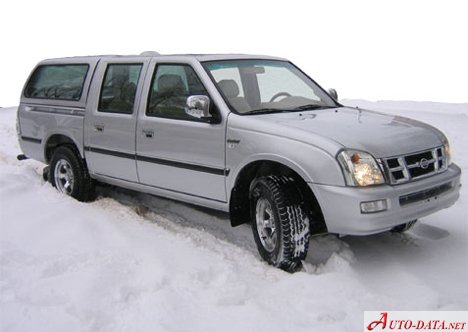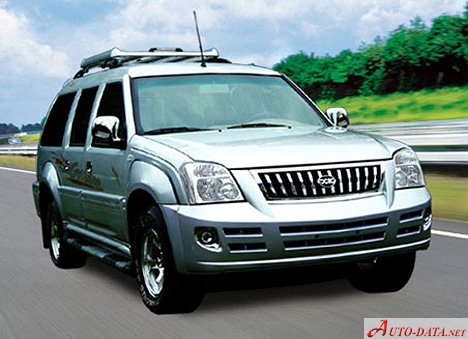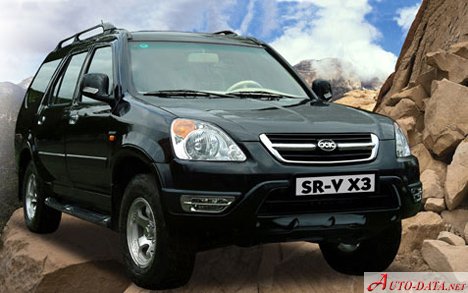
The Xin Kai SR-V X3 2.8 D (157 Hp) was a diesel-powered variant of the SR-V X3 SUV produced by Xin Kai from 2003 to 2017. This model occupied a mid-range position within the SR-V X3 lineup, offering a balance between fuel efficiency, torque, and affordability. It was positioned below the higher-output gasoline variants and served as a practical option for buyers prioritizing utility and lower running costs. The SR-V X3 itself was built on a traditional body-on-frame chassis, reflecting its intended use as a robust and capable SUV.
Powertrain & Engine Architecture
The heart of the SR-V X3 2.8 D was a 2.8-liter inline four-cylinder diesel engine. Designated as a 2.8 D, this engine produced 157 horsepower and 210 Nm (154.89 lb-ft) of torque at 2300 rpm. The engine featured a diesel commonrail fuel injection system, which improved fuel atomization and combustion efficiency compared to older mechanical injection systems. This contributed to both increased power output and reduced emissions. The engine was naturally aspirated, meaning it did not utilize a turbocharger or supercharger. This resulted in a more linear power delivery, albeit with less peak power than turbocharged alternatives. The engine was mounted longitudinally in the front of the vehicle.
The SR-V X3 2.8 D was exclusively offered with a 5-speed manual transmission. This transmission was chosen for its durability and simplicity, aligning with the overall rugged character of the vehicle. The gear ratios were tuned to maximize fuel efficiency and provide adequate acceleration for everyday driving. The drivetrain was rear-wheel drive, providing a traditional SUV driving experience and contributing to the vehicle’s off-road capability.
Engine Details
The engine’s block was constructed from cast iron, known for its strength and durability. The cylinder head was made of aluminum alloy, helping to reduce weight. The valvetrain consisted of a single overhead camshaft (SOHC) operating two valves per cylinder. This configuration was a cost-effective and reliable design. The engine’s displacement of 2771 cm³ (169.1 cu. in.) provided a good balance between power and fuel economy for its intended application.
Driving Characteristics
The SR-V X3 2.8 D offered a driving experience characterized by its strong low-end torque. The 210 Nm of torque available at 2300 rpm provided ample pulling power for hauling loads or navigating challenging terrain. While not particularly fast, the SUV was capable of maintaining highway speeds with relative ease. The 5-speed manual transmission allowed drivers to precisely control the engine’s power output. Compared to potential gasoline variants, the diesel engine offered significantly better fuel economy, but at the expense of higher engine noise and vibration. The rear-wheel-drive configuration provided a more engaging driving experience for those familiar with traditional SUV dynamics, but it also required more careful handling in slippery conditions.
The naturally aspirated engine meant that power delivery was relatively linear, without the sudden surge of acceleration often associated with turbocharged engines. This made the SR-V X3 2.8 D predictable and easy to drive, particularly for those unfamiliar with diesel engines. However, it also meant that the engine required more frequent downshifting when climbing hills or overtaking other vehicles.
Equipment & Trim Levels
The SR-V X3 2.8 D typically came equipped with a relatively basic level of standard features, reflecting its position as a mid-range model. Standard equipment generally included air conditioning, power steering, and a basic audio system. Interior upholstery was typically cloth, and the dashboard featured a functional, utilitarian design. Optional extras included power windows, power door locks, and an upgraded audio system. The trim level often dictated the availability of these options.
The SR-V X3 was designed with practicality in mind, offering a spacious interior with seating for five passengers. The rear seats could be folded down to increase cargo capacity. The vehicle’s interior was designed to withstand the rigors of daily use, with durable materials and a focus on functionality.
Chassis & Braking
The SR-V X3 utilized a body-on-frame construction, providing a robust and durable chassis. The front suspension consisted of a spring strut setup, while the rear suspension employed coil springs. This suspension configuration provided a comfortable ride, although it was not as refined as the independent suspension systems found in some more modern SUVs. The front brakes were disc brakes, providing good stopping power, while the rear brakes were drum brakes, a cost-saving measure common in this class of vehicle.
The SR-V X3 2.8 D was equipped with an Anti-lock Braking System (ABS) as a standard safety feature. The steering system utilized a steering rack and pinion, providing precise and responsive steering. The vehicle rode on 15-inch wheels with 225/75 R15 tires, offering a good balance between ride comfort and handling.
Market Reception & Comparison
The Xin Kai SR-V X3 2.8 D was generally well-received in markets where diesel-powered SUVs were popular. Critics praised its fuel efficiency, strong torque, and rugged construction. However, some reviewers noted its relatively basic interior and lack of refinement compared to more modern competitors. Compared to gasoline-powered SR-V X3 variants, the 2.8 D offered significantly better fuel economy, making it an attractive option for buyers who drove long distances or frequently hauled heavy loads. However, the gasoline engines provided more power and a smoother driving experience.
The SR-V X3 2.8 D competed with other mid-size SUVs such as the Mitsubishi Pajero and the Toyota Fortuner. It offered a competitive price point and a reputation for reliability, making it a popular choice among budget-conscious buyers.
Technical Specifications
| Brand | Xin Kai |
| Model | SR-V X3 |
| Generation | SR-V X3 |
| Type (Engine) | 2.8 D (157 Hp) |
| Start of production | 2003 |
| End of production | 2017 |
| Powertrain Architecture | Internal Combustion engine |
| Body type | SUV |
| Seats | 5 |
| Doors | 5 |
| Fuel consumption (combined) | 11 l/100 km (21.4 US mpg, 25.7 UK mpg, 9.1 km/l) |
| Fuel Type | Diesel |
| Maximum speed | 180 km/h (111.85 mph) |
| Weight-to-power ratio | 9.9 kg/Hp |
| Weight-to-torque ratio | 7.4 kg/Nm |
| Power | 157 Hp |
| Torque | 210 Nm @ 2300 rpm (154.89 lb.-ft. @ 2300 rpm) |
| Engine layout | Front, Longitudinal |
| Engine displacement | 2771 cm3 (169.1 cu. in.) |
| Engine configuration | Inline |
| Fuel injection system | Diesel Commonrail |
| Engine aspiration | Naturally aspirated |
| Kerb Weight | 1550 kg (3417.17 lbs.) |
| Max. weight | 2095 kg (4618.68 lbs.) |
| Max load | 545 kg (1201.52 lbs.) |
| Length | 4850 mm (190.94 in.) |
| Width | 1740 mm (68.5 in.) |
| Height | 1710 mm (67.32 in.) |
| Wheelbase | 2850 mm (112.2 in.) |
| Front track | 1450 mm (57.09 in.) |
| Rear track | 1440 mm (56.69 in.) |
| Drivetrain Architecture | Rear wheel drive |
| Number of gears and type of gearbox | 5 gears, manual transmission |
| Front suspension | Spring Strut |
| Rear suspension | Coil spring |
| Front brakes | Disc |
| Rear brakes | Drum |
| Assisting systems | ABS (Anti-lock braking system) |
| Steering type | Steering rack and pinion |
| Tires size | 225/75 R15 |
| Wheel rims size | 15 |
Legacy
The Xin Kai SR-V X3 2.8 D has proven to be a relatively reliable and durable vehicle, particularly when properly maintained. The 2.8-liter diesel engine is known for its longevity, and the simple mechanical design makes it relatively easy to repair. In the used car market, the SR-V X3 2.8 D remains a popular choice for buyers seeking a rugged and affordable SUV. While it may not offer the same level of refinement or technology as more modern vehicles, its practicality, fuel efficiency, and reputation for reliability continue to make it a compelling option.
The SR-V X3 2.8 D represents a significant chapter in Xin Kai’s history, demonstrating the brand’s commitment to producing durable and capable vehicles for a wide range of customers. Its enduring presence in the used car market is a testament to its overall quality and value.