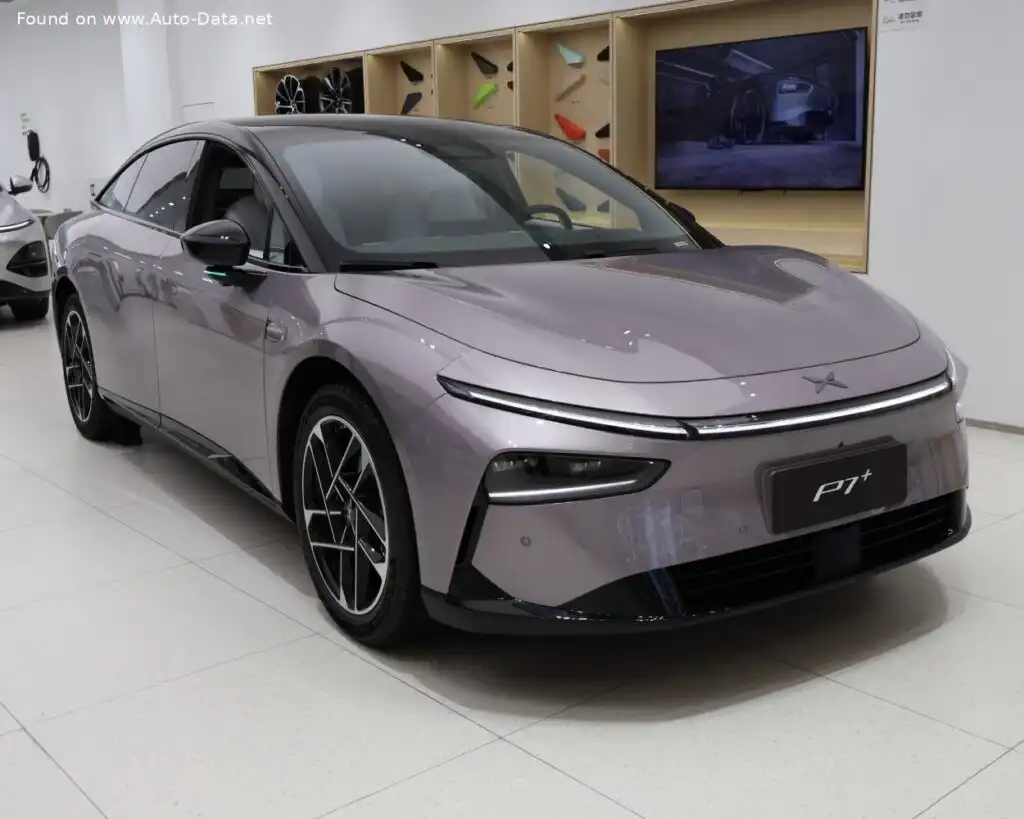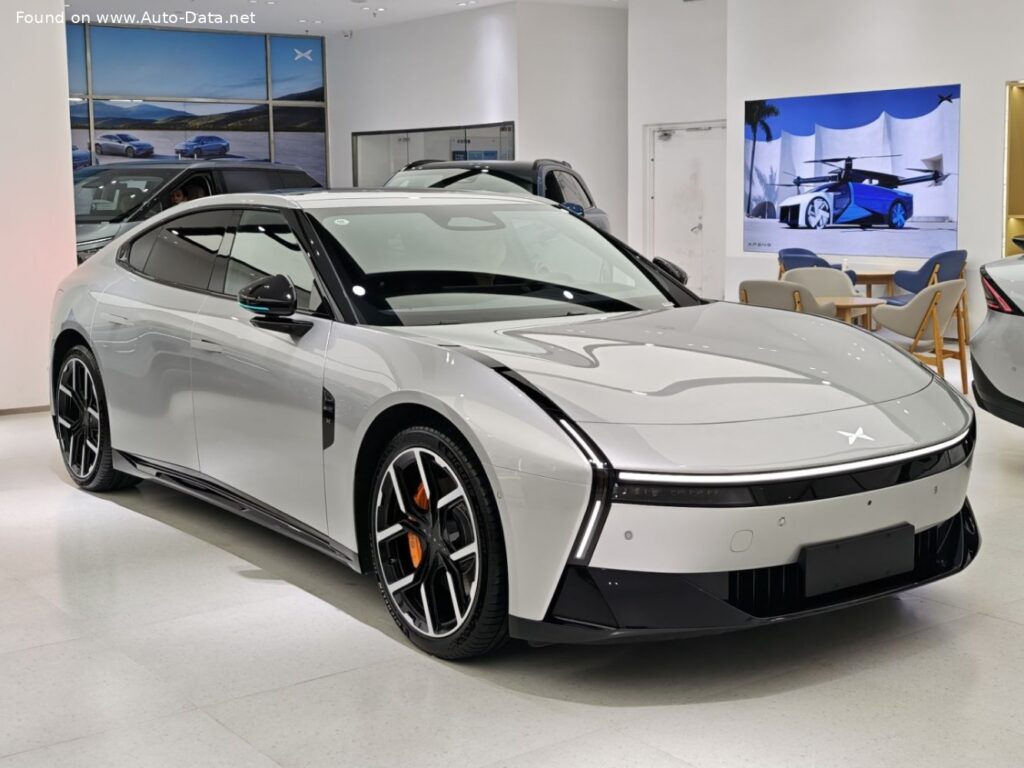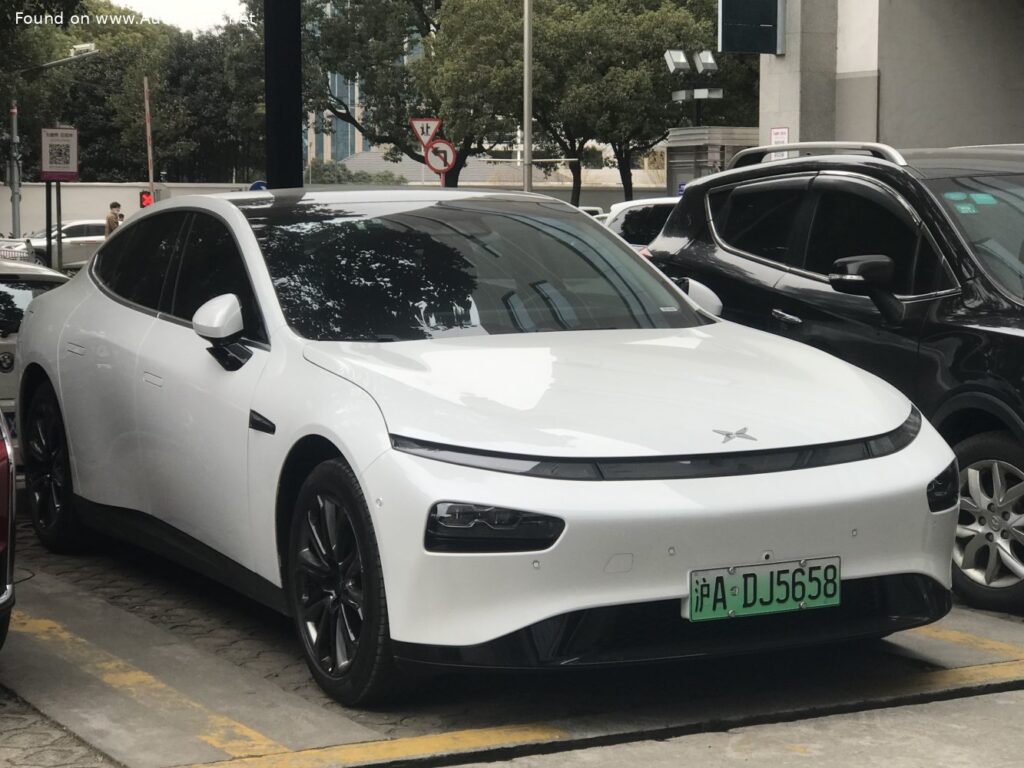
The XPENG P7 is a battery electric vehicle (BEV) sedan manufactured by the Chinese automotive manufacturer XPENG. Introduced in May 2020 and produced through March 2023, the P7 represents XPENG’s initial foray into the competitive mid-size electric sedan segment. Designed to rival vehicles like the Tesla Model 3, the P7 aimed to offer a compelling combination of range, performance, and advanced technology, particularly within the rapidly growing Chinese EV market. While not officially sold in the United States, the P7 is significant as an example of the increasing sophistication and ambition of Chinese electric vehicle manufacturers.
XPENG P7 I 80 kWh Super Long Range: Overview
The P7 I 80 kWh Super Long Range variant is a specific configuration of the P7, distinguished by its 80 kWh battery pack and rear-wheel-drive powertrain. This model prioritizes extended range and efficiency, making it suitable for long-distance travel. The “I” designation likely indicates a specific iteration or refresh within the P7’s production run. The vehicle’s fastback styling contributes to its aerodynamic efficiency, a crucial factor in maximizing range for electric vehicles. The P7 was positioned as a technologically advanced vehicle, incorporating features like advanced driver-assistance systems (ADAS) and a sophisticated infotainment system.
Engine & Performance
The XPENG P7 I 80 kWh Super Long Range is powered by a single electric motor located on the rear axle. This motor delivers a maximum power output of 267 horsepower (Hp) and 390 Newton-meters (Nm) of torque, equivalent to 287.65 lb.-ft. The powertrain architecture is a purely electric setup, utilizing a lithium-ion battery with a gross capacity of 80 kWh. This configuration allows for a maximum speed of 170 kilometers per hour (105.63 mph). The rear-wheel-drive layout contributes to a weight-to-power ratio of 7.2 kg/Hp and a weight-to-torque ratio of 4.9 kg/Nm. The single-speed automatic transmission provides seamless acceleration. The P7’s all-electric range is rated between 670 and 706 kilometers (416.32 – 438.69 miles) depending on driving conditions and efficiency.
Design & Features
The XPENG P7 boasts a sleek, modern design characterized by its fastback silhouette and aerodynamic profile. The body style blends elements of a sedan and a coupe, offering a sporty and sophisticated aesthetic. The vehicle features four doors and provides seating for five passengers. Key design elements include a prominent front grille, streamlined headlights, and a sloping roofline. The interior is focused on providing a premium and technologically advanced experience. The P7 incorporates a large touchscreen infotainment system, digital instrument cluster, and a range of advanced driver-assistance systems (ADAS). These systems include ABS (Anti-lock Braking System) and features aimed at enhancing safety and convenience. The battery pack is strategically located beneath the floor, optimizing weight distribution and maximizing interior space. The trunk offers a minimum capacity of 440 liters (15.54 cu. ft.).
Technology and Innovation
The XPENG P7 was designed with a strong emphasis on technology. The vehicle’s ADAS suite included features like adaptive cruise control, lane keeping assist, and automatic emergency braking. The infotainment system provided access to navigation, entertainment, and vehicle settings. Over-the-air (OTA) software updates allowed for continuous improvement and the addition of new features. The P7’s aerodynamic design, with a drag coefficient of 0.236, played a crucial role in maximizing range and efficiency. The use of lightweight materials contributed to reducing the vehicle’s overall weight, further enhancing performance and range. The P7’s charging ports, while not specified in the provided data, were designed to support both AC and DC fast charging, enabling convenient and rapid replenishment of the battery.
Technical Specifications
| Brand | XPENG |
| Model | P7 |
| Generation | P7 I |
| Type | 80 kWh (267 Hp) RWD Super Long Range |
| Start of production | May, 2020 |
| End of production | March, 2023 |
| Powertrain Architecture | BEV (Electric Vehicle) |
| Body type | Sedan, Fastback |
| Seats | 5 |
| Doors | 4 |
| Fuel Type | Electricity |
| Maximum speed | 170 km/h (105.63 mph) |
| Weight-to-power ratio | 7.2 kg/Hp |
| Weight-to-torque ratio | 4.9 kg/Nm |
| Gross battery capacity | 80 kWh |
| Battery technology | Lithium-ion (Li-Ion) |
| Battery location | Below the floor |
| All-electric range | 670-706 km (416.32 – 438.69 mi) |
| Electric motor power | 267 Hp |
| Electric motor Torque | 390 Nm (287.65 lb.-ft.) |
| Electric motor location | Rear axle, Transverse |
| System power | 267 Hp |
| System torque | 390 Nm (287.65 lb.-ft.) |
| Kerb Weight | 1910-1935 kg (4210.83 – 4265.94 lbs.) |
| Trunk (boot) space – minimum | 440 l (15.54 cu. ft.) |
| Length | 4880 mm (192.13 in.) |
| Width | 1896 mm (74.65 in.) |
| Height | 1450 mm (57.09 in.) |
| Wheelbase | 2998 mm (118.03 in.) |
| Front track | 1615 mm (63.58 in.) |
| Rear (Back) track | 1621 mm (63.82 in.) |
| Drag coefficient (Cd) | 0.236 |
| Drivetrain Architecture | One electric motor drives the rear wheels. |
| Drive wheel | Rear wheel drive |
| Number of gears and type of gearbox | 1 gears, automatic transmission |
| Front suspension | Double wishbone |
| Rear suspension | Independent multi-link suspension |
| Front brakes | Ventilated discs |
| Rear brakes | Ventilated discs |
| Assisting systems | ABS (Anti-lock braking system) |
| Steering type | Steering rack and pinion |
| Tires size | 245/50 R18; 245/45 R19 |
| Wheel rims size | 18; 19 |