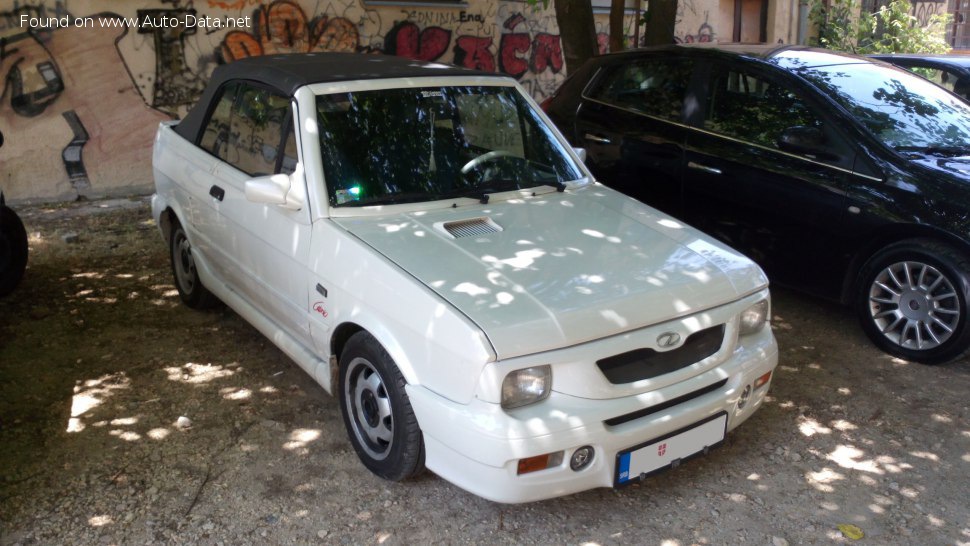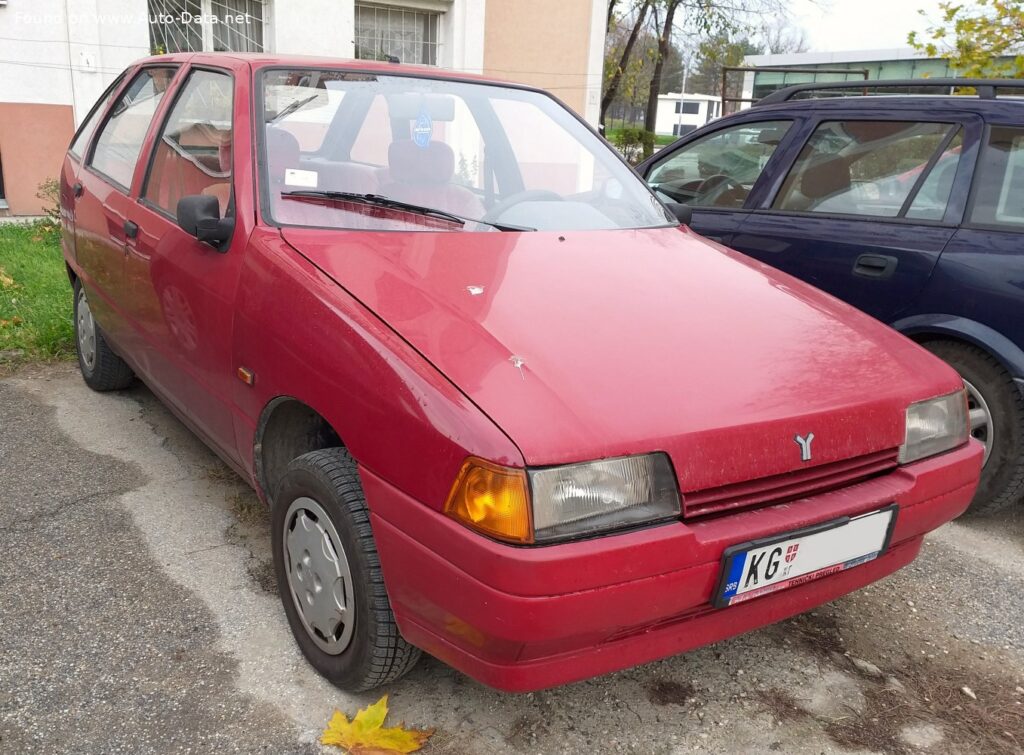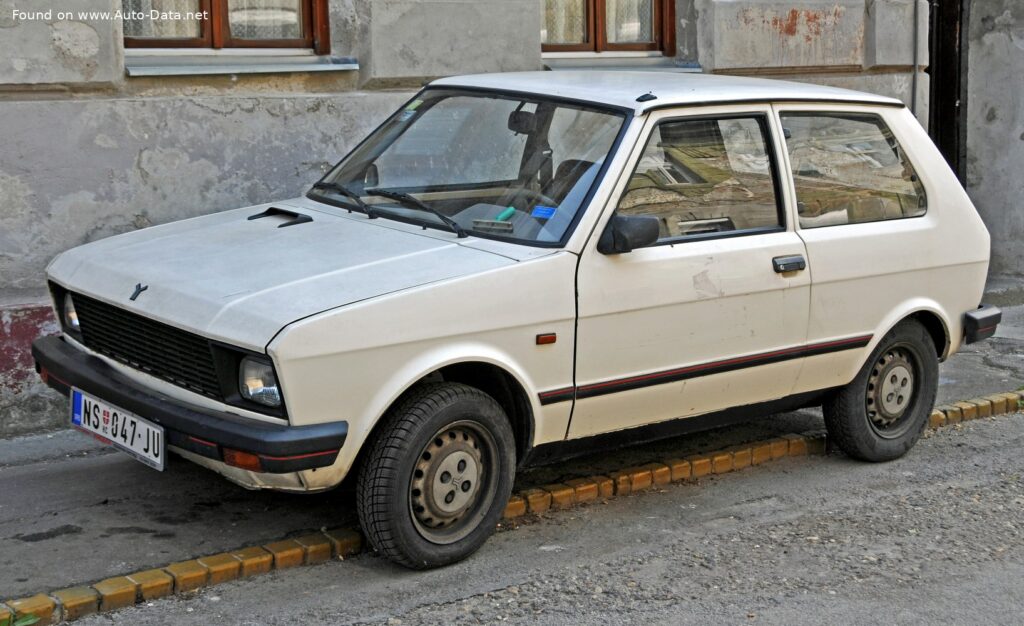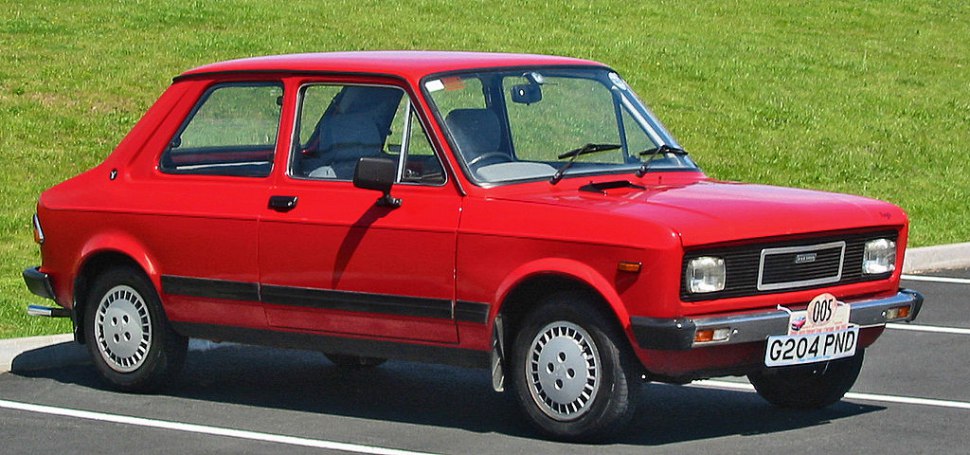
The Zastava Yugo 1.1 60 EFI (145 A), produced from 1991 to 1996, represents a late iteration of the Yugo line, a small hatchback that gained notoriety as one of the most affordable cars available in the United States during the early 1990s. While initially met with some enthusiasm due to its low price point, the Yugo ultimately became synonymous with budget motoring and, unfortunately, reliability concerns. The Yugo was originally designed and manufactured in Kragujevac, Serbia (then part of Yugoslavia), and was based on the Fiat 127. It served as Yugoslavia’s primary entry-level vehicle for decades, undergoing several revisions and updates throughout its production run. The 1.1 60 EFI model, equipped with electronic fuel injection, was an attempt to modernize the aging platform and address some of the earlier criticisms regarding engine performance and emissions.
The Zastava Yugo 1.1 60 EFI: A Detailed Overview
The Yugo’s story is intrinsically linked to the political and economic climate of the former Yugoslavia. Zastava, the state-owned automotive manufacturer, produced the Yugo as a means of providing affordable transportation to the Yugoslavian populace. The car’s design was heavily influenced by Fiat, with whom Zastava had a long-standing licensing agreement. The initial Yugo models were quite basic, but subsequent versions incorporated improvements in comfort, safety, and engine technology. The 1.1 60 EFI version, introduced in 1991, represented a significant step forward with the adoption of electronic fuel injection, offering improved fuel efficiency and smoother operation compared to its carbureted predecessors. However, the car continued to be built using relatively outdated manufacturing techniques and materials, which ultimately contributed to its reputation for unreliability in Western markets.
Engine & Performance
The heart of the Zastava Yugo 1.1 60 EFI is a 1.1-liter, naturally aspirated inline-four cylinder gasoline engine. This engine, designated as the 145 A, produces 60 horsepower. While modest by modern standards, this output was considered adequate for a vehicle of the Yugo’s size and weight. The introduction of electronic fuel injection (EFI) was a key upgrade, replacing the older carburetor system. EFI allowed for more precise fuel metering, resulting in improved fuel economy, reduced emissions, and a slightly more responsive engine. The engine is paired with a four-speed manual transmission, which was the standard configuration. Performance figures are understandably modest; acceleration is slow, and top speed is limited. The Yugo was never intended to be a performance vehicle, but rather a practical and economical means of transportation. The engine’s simplicity also meant that repairs could be relatively straightforward, although sourcing parts outside of Eastern Europe could prove challenging.
Design & Features
The Zastava Yugo 1.1 60 EFI is a three-door hatchback, characterized by its compact dimensions and utilitarian design. The body style was typical of small European hatchbacks of the era, prioritizing practicality and affordability over aesthetic flair. The interior is spartan, with basic instrumentation and minimal trim. Comfort features were limited, reflecting the car’s low price point. Seats were typically cloth-covered, and air conditioning was rarely included as standard equipment. Safety features were also rudimentary by contemporary standards. Early models lacked many of the safety features now considered essential, such as airbags or anti-lock brakes. Later models saw some improvements in safety, but the Yugo remained a relatively basic vehicle in terms of occupant protection. The Yugo’s small size made it relatively easy to maneuver in urban environments, and its hatchback configuration provided a reasonable amount of cargo space for its class. The car’s simple construction also meant that it was relatively lightweight, contributing to its fuel efficiency.
The Yugo’s appeal in the US market stemmed primarily from its incredibly low price. It was marketed as a no-frills, economical alternative to more expensive imported cars. However, the car’s lack of refinement, questionable reliability, and limited dealer network ultimately led to its demise in the American market. Despite its shortcomings, the Yugo has gained a cult following among enthusiasts who appreciate its simplicity, affordability, and quirky charm. It represents a unique chapter in automotive history, a testament to the ingenuity and resourcefulness of the Yugoslavian automotive industry.
Technical Specifications
| Brand | Zastava |
| Model | Yugo |
| Generation | Yugo |
| Type (Engine) | 1.1 60 EFI (145 A) (60 Hp) |
| Start of production | 1991 |
| End of production | 1996 |
| Powertrain Architecture | Internal Combustion engine |
| Body type | Hatchback |
| Fuel Type | Petrol (Gasoline) |
| Power | 60 Hp |
| Engine aspiration | Naturally aspirated engine |