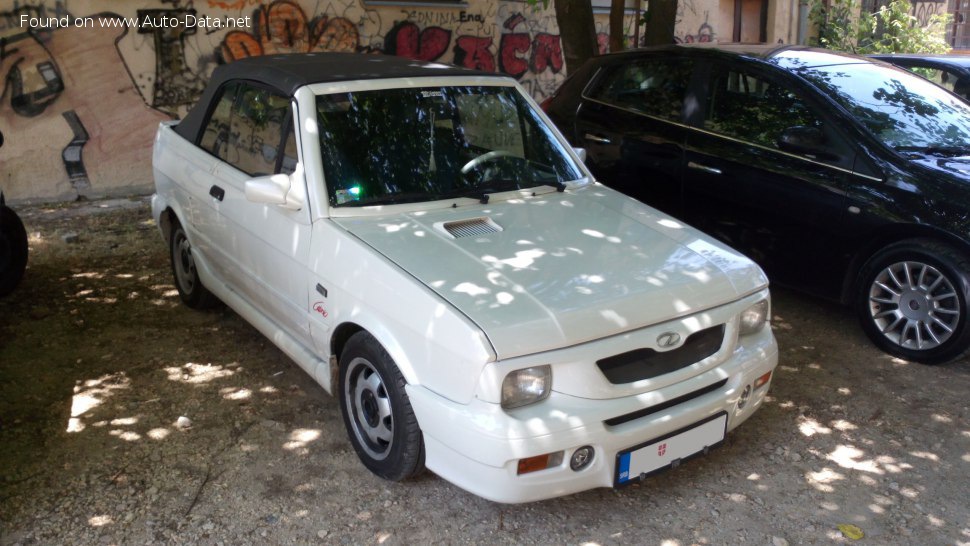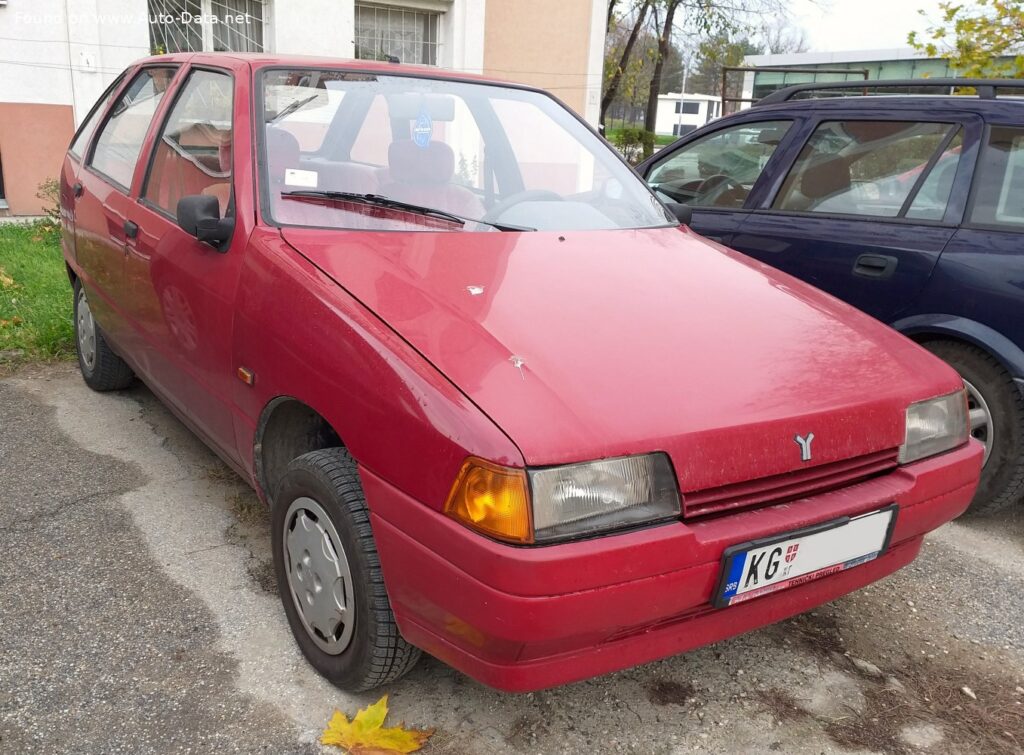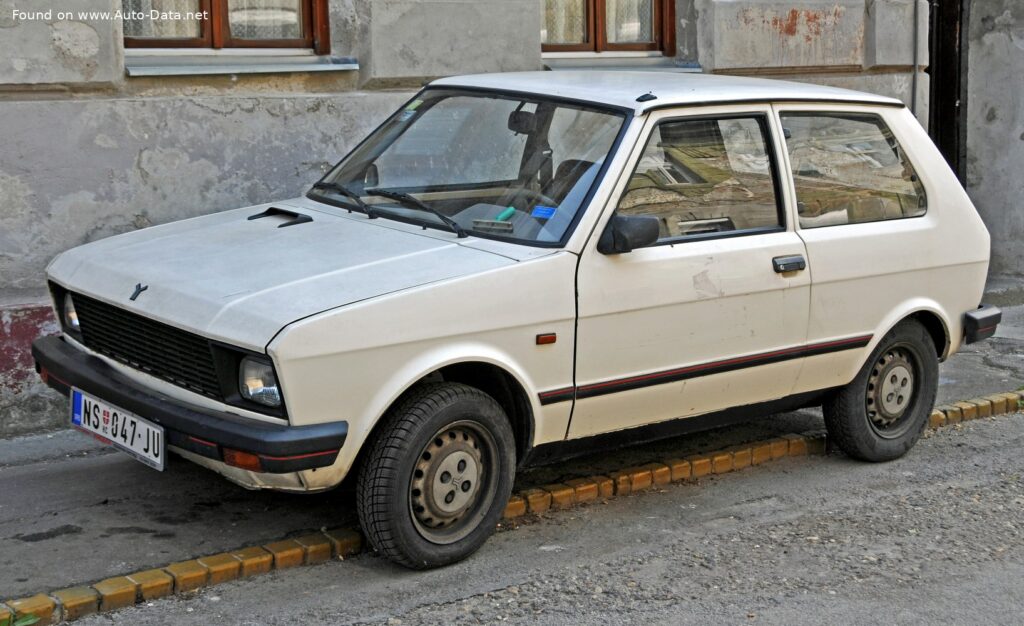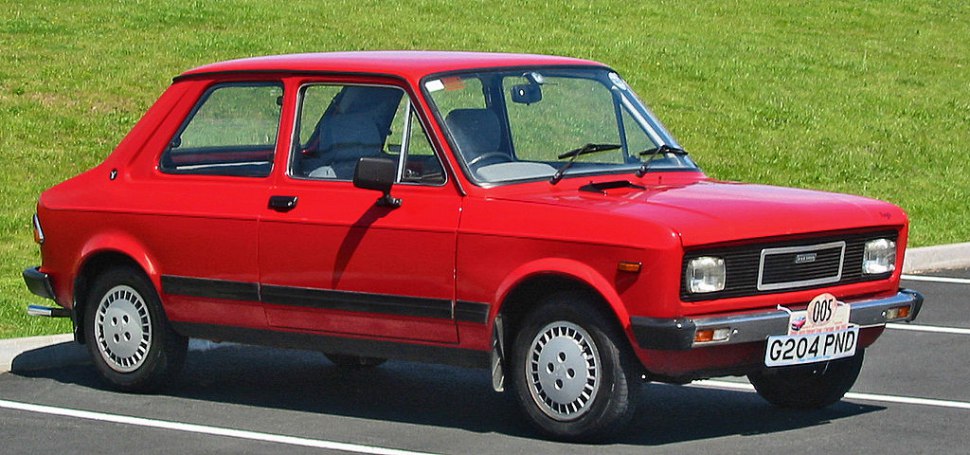
The Zastava Yugo 1.3 65 EFI (145 A), produced from 1991 to 1996, represents a late iteration of the Yugo line, a small hatchback that gained notoriety as one of the most affordable cars sold in the United States during the early 1990s. Manufactured by Zastava Automobiles of Kragujevac, Serbia (then part of Yugoslavia), the Yugo was originally based on the Fiat 127. While intended to provide basic, economical transportation, the Yugo’s low price point often came at the expense of refinement and safety features, leading to a complex legacy. The 1.3 65 EFI model, equipped with electronic fuel injection, was an attempt to address some of the earlier criticisms of the Yugo’s carbureted engines, offering improved performance and emissions control. It primarily served the European and Eastern European markets, offering a budget-friendly option in a region undergoing significant economic changes.
The Zastava Yugo 1.3 65 EFI: A Detailed Overview
The Yugo’s story is inextricably linked to the political and economic climate of the late 20th century. Yugoslavia, under Josip Broz Tito, pursued a path of independent socialism, and Zastava Automobiles was a key component of the nation’s industrial capacity. The Yugo was designed to be a “people’s car,” providing affordable mobility for the Yugoslavian population. The licensing agreement with Fiat allowed Zastava to produce a relatively modern vehicle, albeit with adaptations and cost-cutting measures. The introduction of the Yugo to the US market in 1985, spearheaded by Malcolm Bricklin, was a bold move, aiming to undercut competitors with a price tag under $4,000. However, the car’s limited features, questionable build quality, and poor crash test performance ultimately contributed to its short-lived success and eventual withdrawal from the American market.
Engine & Performance
The Zastava Yugo 1.3 65 EFI (145 A) is powered by a 1.3-liter, naturally aspirated inline-four cylinder gasoline engine. This engine, designated as the 145 A, produced 65 horsepower. The “EFI” designation indicates the presence of electronic fuel injection, a significant upgrade from the earlier carbureted versions. This system improved fuel efficiency and reduced emissions compared to its predecessors. The engine’s relatively small displacement and modest power output were sufficient for city driving and short commutes, but performance was limited on highways or when fully loaded. The engine was paired with a four-speed manual transmission, which was the standard configuration. Automatic transmissions were not typically offered on the Yugo. The drivetrain was front-wheel drive, a common configuration for small European hatchbacks of the era. Acceleration was slow, and the Yugo was not designed for high-speed driving. The engine’s simplicity, however, contributed to its relative reliability, although maintenance was often required due to the car’s overall build quality.
Design & Features
The Yugo 1.3 65 EFI (145 A) is a three-door hatchback, characterized by its compact dimensions and utilitarian design. The body style was typical of small European cars of the 1980s and 1990s, prioritizing practicality and fuel efficiency over aesthetics. The car’s exterior featured simple, angular lines and minimal ornamentation. Interior space was limited, but adequate for four passengers on short journeys. The interior trim was basic, with hard plastic surfaces and cloth upholstery. Features were sparse, reflecting the Yugo’s low price point. Standard equipment typically included a basic instrument cluster, manual windows, and a rudimentary heating system. Air conditioning and power steering were rarely fitted, even as optional extras. Safety features were also minimal, with limited structural reinforcement and a lack of airbags or anti-lock brakes. This lack of safety equipment was a major criticism of the Yugo, particularly in the US market. The Yugo’s suspension was relatively simple, consisting of MacPherson struts at the front and a twist-beam axle at the rear. This setup provided a comfortable ride on smooth roads, but could become unsettled on uneven surfaces. The car’s small size and light weight made it relatively easy to maneuver in urban environments.
The Yugo’s appeal lay in its affordability. It provided basic transportation for those who could not afford more expensive vehicles. However, its lack of refinement and safety features ultimately limited its long-term success. The 1.3 65 EFI model represented an attempt to improve the Yugo’s appeal by addressing some of the engine’s shortcomings, but it was not enough to overcome the car’s fundamental limitations.
Technical Specifications
| General Information | |
| Brand | Zastava |
| Model | Yugo |
| Generation | Yugo |
| Type (Engine) | 1.3 65 EFI (145 A) (65 Hp) |
| Start of production | 1991 |
| End of production | 1996 |
| Powertrain Architecture | Internal Combustion engine |
| Body type | Hatchback |
| Performance Specs | |
| Fuel Type | Petrol (Gasoline) |
| Engine specs | |
| Power | 65 Hp |
| Engine aspiration | Naturally aspirated engine |