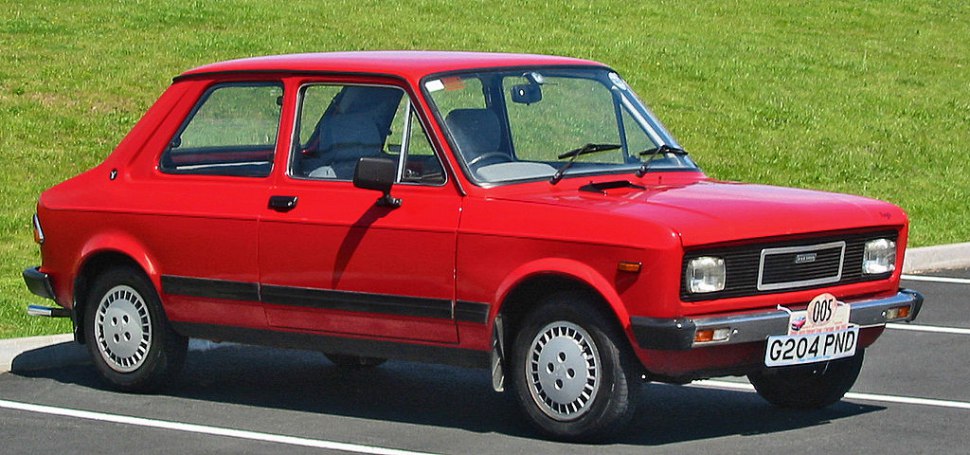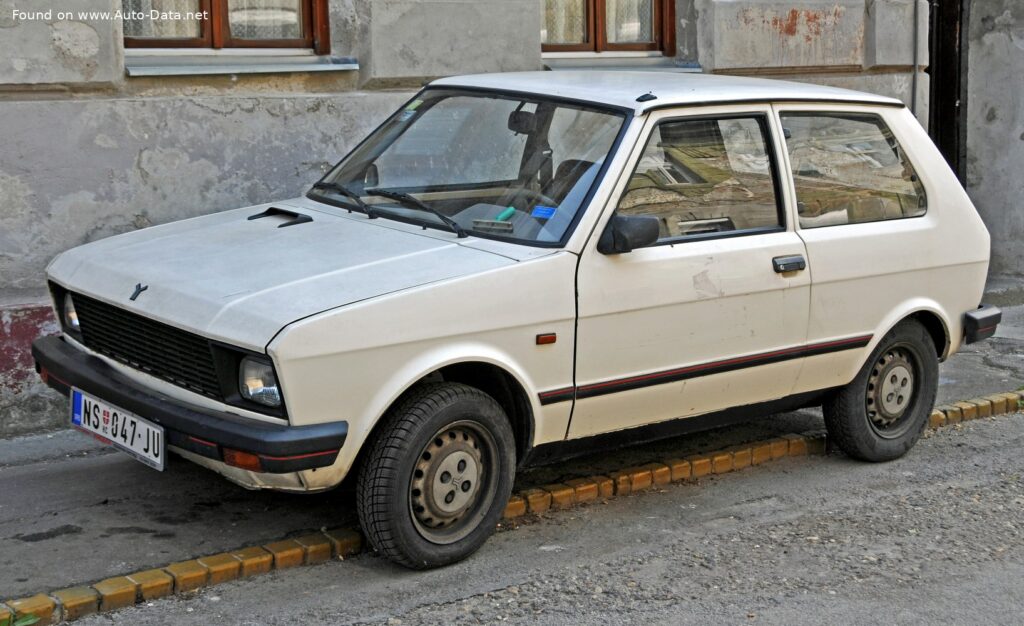
The Zastava Yugo Florida 1.4 i, producing 71 horsepower, was a mainstay of the Yugo Florida lineup from 1997 until production ceased in 2008. Representing the most common and accessible variant of the Florida, it served as the entry point into the model range, appealing to budget-conscious buyers in both domestic and export markets. The Florida itself was a significant evolution of the original Yugo, offering a more modern design and improved features while retaining the affordability that characterized the brand. Built upon the Yugo platform, the Florida aimed to address criticisms of the earlier Yugo models, providing a more refined and practical small car option.
The 1.4 i Florida: Positioning and Overview
The 1.4 i variant occupied the base trim level within the Yugo Florida range. While a 1.6-liter engine was offered in some markets, the 1.4-liter was the predominant engine choice, particularly in the later years of production. This positioning made it a direct competitor to other small, economical hatchbacks available in Eastern Europe and select Western markets. The Florida 1.4 i was primarily targeted at first-time car buyers, urban commuters, and families seeking an inexpensive and reliable mode of transportation. It was often chosen for its simplicity, ease of maintenance, and relatively low running costs.
Powertrain & Engine Architecture
The heart of the Yugo Florida 1.4 i is a 1.4-liter inline-four cylinder gasoline engine, designated internally by Zastava as a variation of the 700 series. This engine displaced 1372 cubic centimeters (83.72 cubic inches) and produced 71 horsepower at 6000 rpm, with a torque output of 106 Nm (78.18 lb-ft) at 3000 rpm. The engine featured a naturally aspirated configuration and utilized a multi-port fuel injection system, a significant upgrade from the carburetor systems found in earlier Yugo models. The cylinder bore measured 80.5 mm (3.17 inches) and the piston stroke was 67.4 mm (2.65 inches), resulting in a compression ratio of 9.2:1. The engine employed a two-valve per cylinder (SOHC) valvetrain. The engine was transversely mounted in the front of the vehicle, driving the front wheels.
The 1.4 i Florida was exclusively offered with a five-speed manual transmission. An automatic transmission was never offered on this specific engine/trim combination. The transmission was a standard, non-synchronized design, prioritizing simplicity and cost-effectiveness over performance. The gear ratios were optimized for fuel efficiency and everyday driving conditions, rather than sporty acceleration.
Driving Characteristics
The driving experience of the Yugo Florida 1.4 i was characterized by its modest performance. Acceleration from 0 to 100 km/h (0 to 62 mph) took approximately 14.5 seconds, while 0 to 60 mph was achieved in around 13.8 seconds. The top speed was limited to 160 km/h (99.42 mph). The engine delivered its peak torque at 3000 rpm, providing adequate power for city driving and moderate highway cruising. However, overtaking maneuvers required careful planning, and the engine could feel strained when fully loaded or climbing steep hills. Compared to the hypothetical 1.6-liter variant (which was not widely available), the 1.4 i offered less power but improved fuel economy. The five-speed manual transmission allowed drivers to maintain optimal engine speed for various driving conditions, but the shift quality was often described as notchy and imprecise.
Equipment & Trim Levels
The Yugo Florida 1.4 i was typically equipped with basic, yet functional features. Standard equipment generally included cloth upholstery, a simple dashboard layout with analog gauges, and manual windows and door locks. Power steering was not standard, and air conditioning was often an optional extra. The interior was designed with practicality in mind, offering sufficient space for five passengers, although rear legroom was limited. The base trim level featured minimal exterior embellishments, with black plastic bumpers and steel wheels with hubcaps. Optional extras included upgraded upholstery, a radio/cassette player, and metallic paint finishes. Higher trim levels, if available in specific markets, added features such as central locking, electric windows, and alloy wheels.
Chassis & Braking
The Yugo Florida 1.4 i utilized a relatively simple chassis design. The front suspension consisted of coil springs and independent suspension components, while the rear suspension employed a coil spring and semi-independent trailing arm setup. The front brakes were disc brakes, providing adequate stopping power for the vehicle’s weight and performance. However, the rear brakes were drum brakes, which offered less stopping power and were more prone to fading under heavy use. The steering system was a rack and pinion type, providing reasonable steering precision. The tires were typically 165/70 R13 size, offering a balance between ride comfort and handling. The curb weight of the vehicle was approximately 960 kg (2116.44 lbs), contributing to its relatively low fuel consumption.
Market Reception & Comparison
The Yugo Florida 1.4 i received mixed reviews from automotive critics. While praised for its affordability and fuel efficiency, it was often criticized for its basic interior, lackluster performance, and perceived lack of refinement. Compared to other small hatchbacks available at the time, such as the Fiat Punto or Renault Clio, the Yugo Florida 1.4 i offered a lower price point but lacked the same level of features and build quality. However, its simplicity and ease of maintenance made it a popular choice among budget-conscious buyers. Fuel economy was a strong point, with the 1.4 i achieving around 6.5-7.5 liters per 100 kilometers (36-41 mpg) in real-world driving conditions. Reliability was generally considered acceptable, although the quality of components and materials was often questioned.
Technical Specifications
| Body Type | Hatchback, 5 Doors, 5 Seats |
| Engine Type | Inline-4, Gasoline |
| Engine Displacement | 1372 cm3 (83.72 cu. in.) |
| Power Output | 71 Hp @ 6000 rpm |
| Torque Output | 106 Nm (78.18 lb-ft) @ 3000 rpm |
| Compression Ratio | 9.2:1 |
| Fuel Injection | Multi-port |
| Transmission | 5-speed Manual |
| Drive Wheels | Front Wheel Drive |
| Curb Weight | 960 kg (2116.44 lbs) |
| Maximum Weight | 1420 kg (3130.56 lbs) |
| Fuel Tank Capacity | 48 liters (12.68 US gal) |
| Length | 3930 mm (154.72 in) |
| Width | 1660 mm (65.35 in) |
| Height | 1410 mm (55.51 in) |
| 0-100 km/h | 14.5 sec |
| Top Speed | 160 km/h (99.42 mph) |
Legacy
The Zastava Yugo Florida 1.4 i, while no longer in production, remains a common sight on the roads of Eastern Europe and other regions where it was sold. Its simple design and readily available parts make it relatively easy to maintain and repair. The 1.4-liter engine, while not particularly powerful, has proven to be reasonably durable and reliable. In the used car market, the Florida 1.4 i is typically valued as an inexpensive and practical transportation option. However, potential buyers should be aware of the vehicle’s age and the potential for rust and mechanical issues. Despite its shortcomings, the Yugo Florida 1.4 i holds a nostalgic place in the hearts of many owners, representing a bygone era of affordable and accessible motoring.