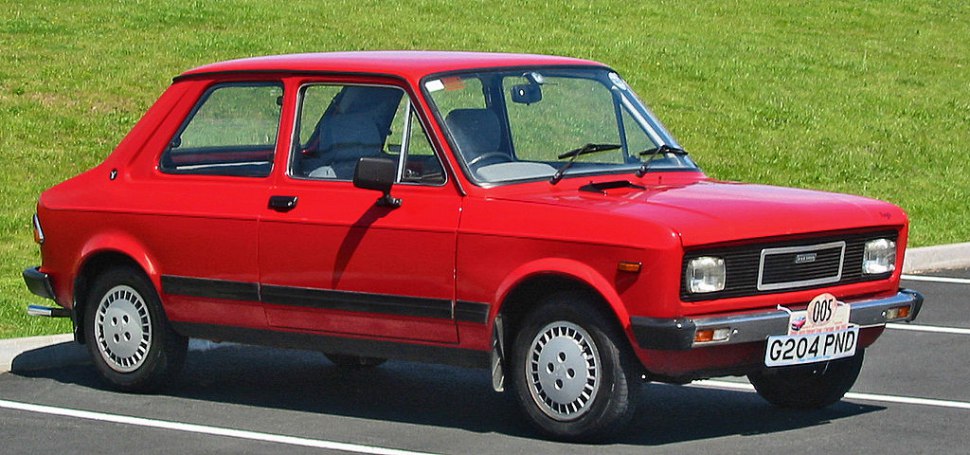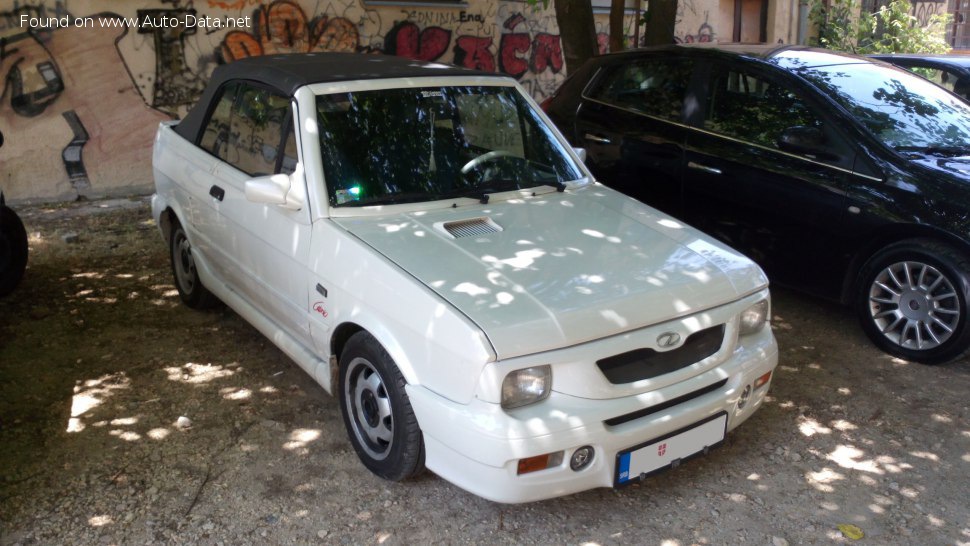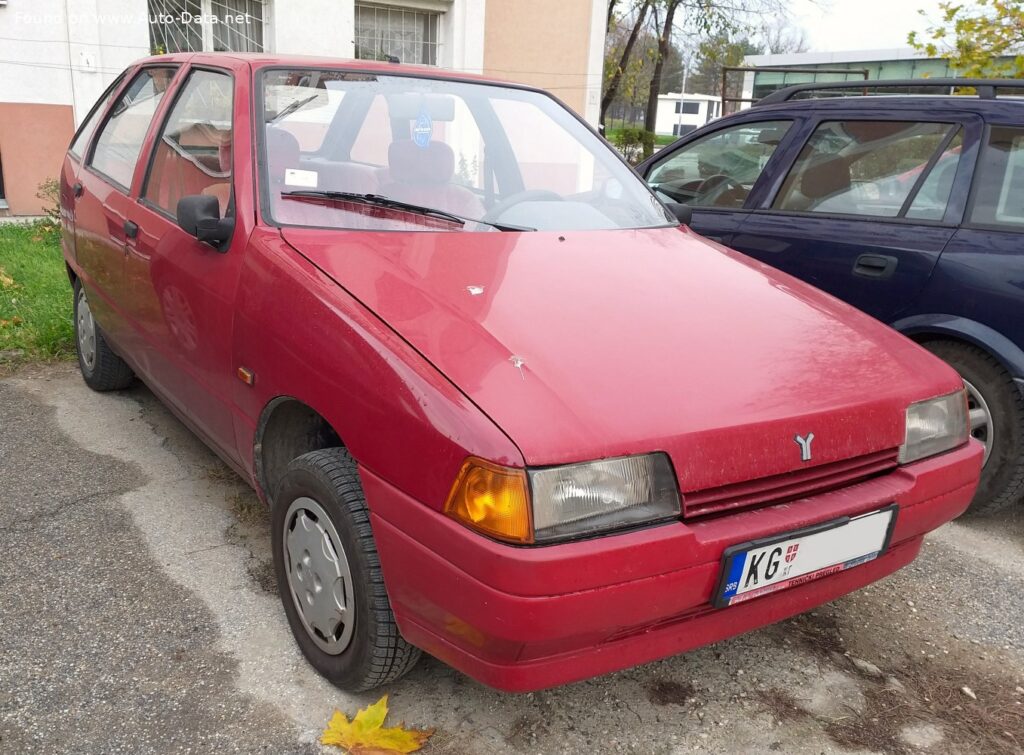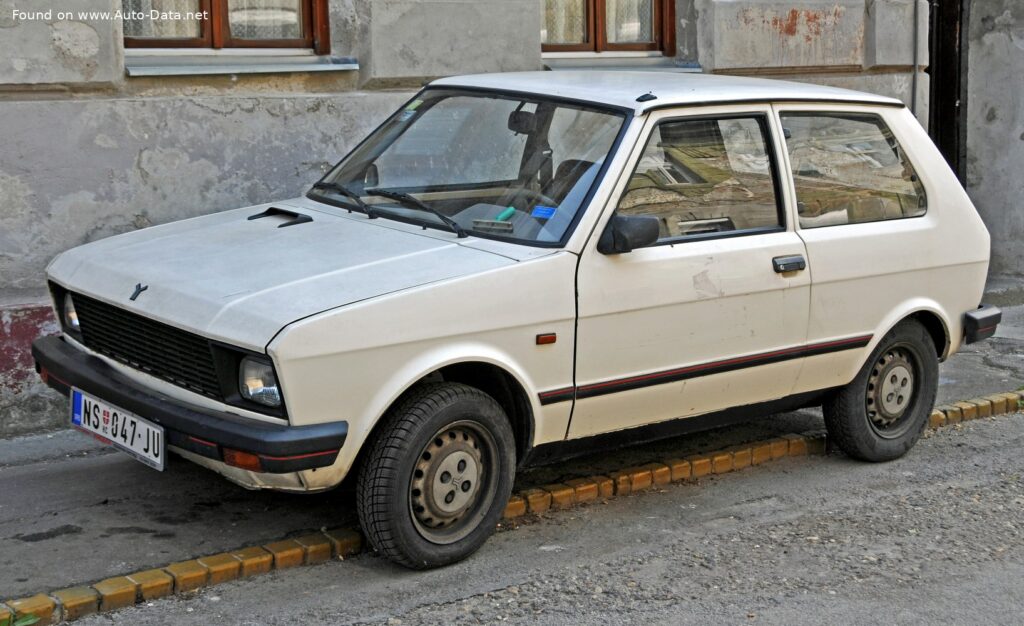
The Zastava Yugo Koral 0.9, produced from 1990 to 2008, represents the most basic iteration of the Yugo Koral series, a mainstay of the Yugoslavian and later Serbian automotive market. Positioned as the entry-level model, it was designed to provide affordable transportation, prioritizing cost-effectiveness over performance. The Koral itself was a significant update to the original Yugo, offering improved styling and a slightly more refined interior. This 0.9-liter variant played a crucial role in making personal vehicle ownership accessible to a wider segment of the population, particularly in the face of economic challenges during the 1990s. It was built on the Yugo Skala platform, a license-built version of the Fiat 127.
Powertrain & Engine Architecture
The heart of the Yugo Koral 0.9 is its 903 cc (55.1 cu. in.) inline-four cylinder engine, designated internally by Zastava as a variation of the earlier 700 series engines. This engine produced a modest 45 horsepower (hp) at 6000 rpm and 63 Newton-meters (46.47 lb-ft) of torque at 3300 rpm. The engine featured a relatively low 9:1 compression ratio and utilized a two-valve per cylinder configuration. Crucially, this version employed a carburetor for fuel delivery, a cost-saving measure that contributed to its affordability but also impacted its fuel efficiency and emissions compared to fuel-injected counterparts. The engine is front-mounted and transversely positioned, driving the front wheels.
The Yugo Koral 0.9 was exclusively offered with a four-speed manual transmission. This transmission was a simple, robust unit designed for durability rather than sporty performance. The gear ratios were optimized for low-speed drivability and maximizing fuel economy, rather than rapid acceleration. The transmission’s design reflected the overall philosophy of the vehicle – providing basic, reliable transportation.
Engine Codes and Variations
While the core engine architecture remained consistent throughout the Koral 0.9’s production run, minor variations existed based on the year of manufacture. These variations primarily concerned carburetor adjustments and slight modifications to ignition timing, aimed at meeting evolving emissions standards. However, the fundamental engine code remained largely unchanged.
Driving Characteristics
The driving experience in the Yugo Koral 0.9 is best described as utilitarian. With only 45 hp propelling a vehicle weighing approximately 750 kg (1653.47 lbs), acceleration is slow. The 0 to 100 km/h (0 to 62 mph) sprint takes approximately 20.1 seconds, and 0 to 60 mph takes around 19.1 seconds. The top speed is limited to around 135 km/h (83.89 mph). The four-speed manual transmission requires frequent shifting to maintain momentum, especially when encountering hills or overtaking other vehicles.
The Koral 0.9’s handling is adequate for city driving, but it lacks the responsiveness and stability of more modern vehicles. The suspension, while providing a reasonably comfortable ride on smooth surfaces, can feel somewhat wallowy over uneven roads. The steering is light but lacks precision. Compared to the later, more powerful 1.1 and 1.3-liter versions of the Koral, the 0.9-liter model feels significantly underpowered, making it less suitable for highway driving or carrying a full load of passengers.
Equipment & Trim Levels
The Yugo Koral 0.9 was deliberately spartan in its equipment levels, reflecting its position as the base model. Standard features typically included basic cloth upholstery, a simple dashboard with analog gauges, and manually operated windows and door locks. Heating was standard, but air conditioning was not available, even as an option. The interior plastics were of low quality, contributing to a generally basic feel.
Optional extras were limited. A radio cassette player was the most common upgrade, and some models featured upgraded seat covers. The exterior trim was also minimal, with black plastic bumpers and simple steel wheels with hubcaps being the norm. The focus was on providing a functional and affordable vehicle, rather than luxury or convenience.
Chassis & Braking
The Yugo Koral 0.9 utilized a relatively simple chassis design. The front suspension consisted of coil springs and independent suspension, while the rear suspension employed a semi-trailing arm setup with coil springs. This suspension configuration provided a reasonable level of comfort for everyday driving, but it was not designed for sporty handling.
The braking system was equally basic. The front wheels were equipped with disc brakes, while the rear wheels featured drum brakes. The brakes were adequate for normal driving conditions, but they lacked the stopping power and modulation of more advanced braking systems. Power steering was not available, requiring more effort from the driver during low-speed maneuvers.
Market Reception & Comparison
The Yugo Koral 0.9 was primarily marketed towards budget-conscious buyers in Yugoslavia and Eastern European markets. It gained a reputation for being incredibly affordable and relatively reliable, despite its basic design and low power output. However, it also faced criticism for its slow performance, poor fuel economy (7.4 l/100 km urban, 31.8 US mpg), and lack of safety features.
Compared to other trims in the Koral lineup, such as the 1.1 and 1.3-liter models, the 0.9-liter version offered significantly less performance but at a lower price point. The higher-displacement engines provided a more enjoyable driving experience and were better suited for highway driving. In terms of reliability, the 0.9-liter engine was generally considered to be robust, but its carburetor-based fuel system required more frequent maintenance than the fuel-injected systems found in the later models.
Technical Specifications
| Body Type | Hatchback, 3 Doors, 5 Seats |
| Engine Displacement | 903 cm3 (55.1 cu. in.) |
| Engine Configuration | Inline-4 |
| Fuel Type | Petrol (Gasoline) |
| Maximum Power | 45 hp @ 6000 rpm |
| Maximum Torque | 63 Nm (46.47 lb-ft) @ 3300 rpm |
| Compression Ratio | 9:1 |
| Fuel Injection | Carburetor |
| Transmission | 4-speed Manual |
| Drive Wheels | Front Wheel Drive |
| Kerb Weight | 750 kg (1653.47 lbs) |
| Fuel Tank Capacity | 32 l (8.45 US gal | 7.04 UK gal) |
| Length | 3490 mm (137.4 in) |
| Width | 1540 mm (60.63 in) |
| Height | 1340 mm (52.76 in) |
| 0-100 km/h | 20.1 sec |
| Top Speed | 135 km/h (83.89 mph) |
Legacy
The Zastava Yugo Koral 0.9, while not a technologically advanced vehicle, holds a significant place in automotive history as a symbol of affordable transportation. Its simple design and robust engine contributed to its longevity, and many examples remain on the road today, particularly in Eastern Europe. However, its age and basic features mean that it is increasingly becoming a niche vehicle, primarily sought after by enthusiasts and collectors. The carburetor-based engine requires regular maintenance, and spare parts can be difficult to find. Despite its limitations, the Yugo Koral 0.9 remains a fondly remembered vehicle for many who experienced its practicality and affordability during its production run.
In the used car market, the Koral 0.9 commands very low prices, reflecting its age and condition. It is often purchased as a project car or for basic transportation purposes. Its simplicity makes it relatively easy to repair and maintain, appealing to those with mechanical skills. However, potential buyers should be aware of its limited performance, lack of safety features, and the potential for rust and corrosion.