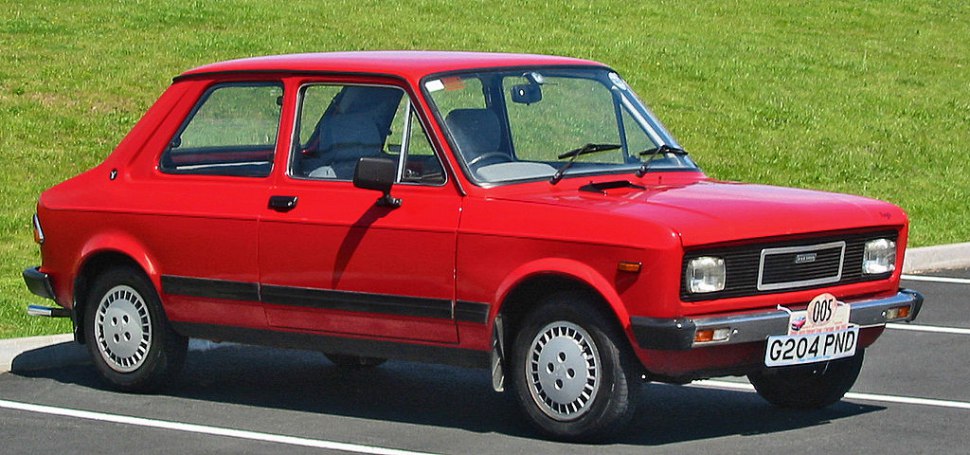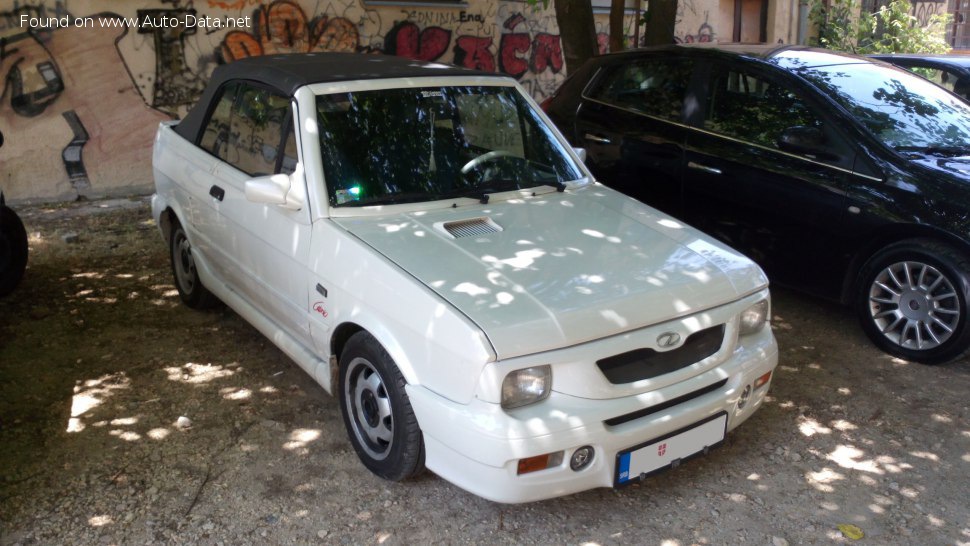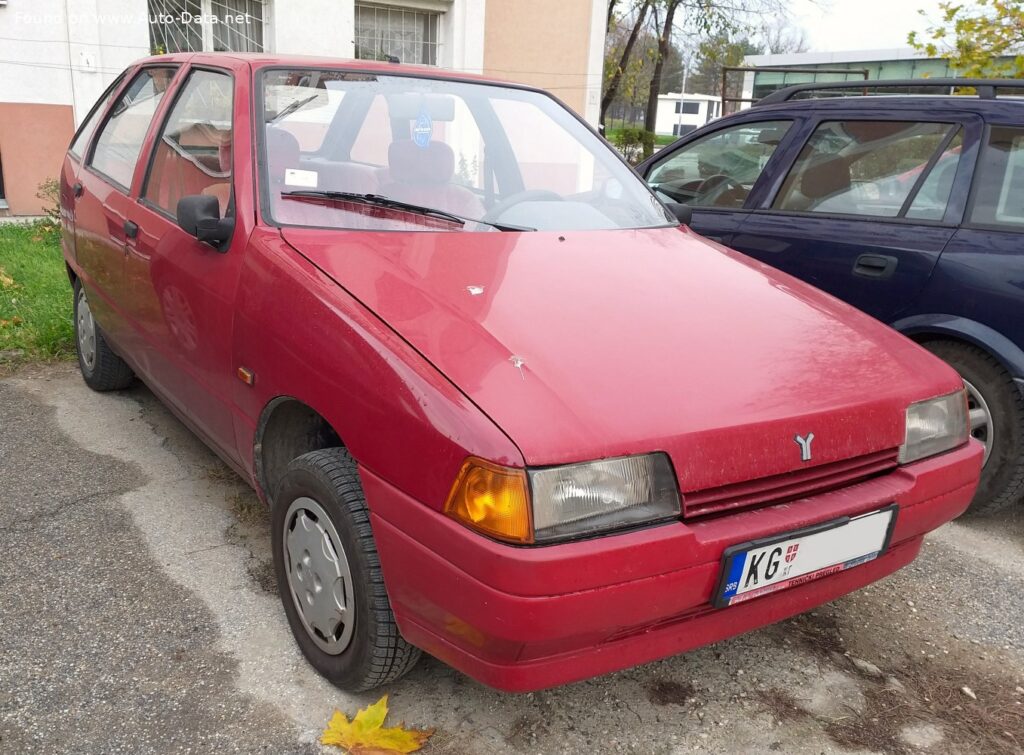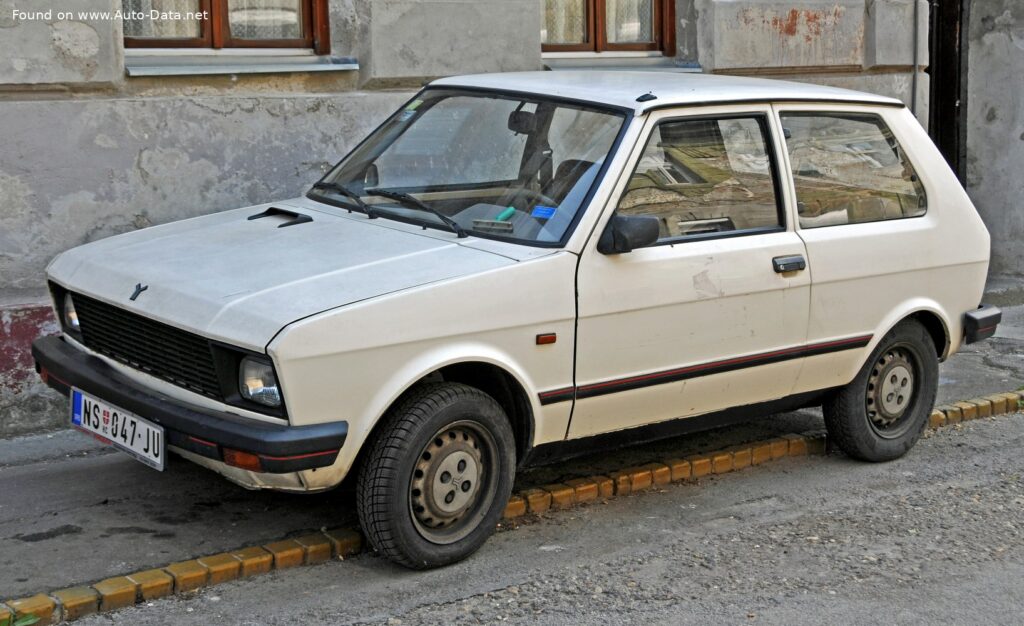
The Zastava Yugo Koral 1.1, producing 60 horsepower, was a mainstay of the Yugo Koral range from 1990 until production ceased in 2008. Representing the entry-level variant of the Koral, it was designed to provide affordable transportation for the Yugoslavian and, later, Eastern European markets. The Koral itself was a significant evolution of the original Yugo, offering improved styling, a slightly more refined interior, and updated mechanical components while retaining the fundamental simplicity and low cost that characterized the Yugo brand. The 1.1-liter engine and five-speed manual transmission combination was the most common configuration, making it the defining model for many consumers.
Powertrain & Engine Architecture
The heart of the Yugo Koral 1.1 was the Zastava 702 1.1-liter inline-four cylinder engine. This engine, derived from the Fiat 127 engine originally licensed in the 1970s, featured a cast iron block and an aluminum cylinder head. It utilized a single overhead camshaft (SOHC) operating two valves per cylinder. Fuel delivery was managed by a single, two-barrel carburetor – a relatively archaic system by the 1990s, but one that contributed to the car’s low production costs and ease of maintenance. The engine produced 60 hp at 6400 rpm and 80 Nm (59 lb-ft) of torque at 3800 rpm. The compression ratio was 9.2:1.
The engine was transversely mounted, driving the front wheels. The standard transmission was a five-speed manual gearbox. This transmission was known for its relatively long throws and somewhat imprecise shift quality, but it was durable and reliable. The gearbox ratios were geared towards economy rather than performance, reflecting the car’s intended purpose as basic transportation. There was no automatic transmission option available for the 1.1-liter engine.
Engine Codes & Variations
While the core engine design remained consistent throughout the Koral’s production run, minor variations existed. Early models (pre-1990s) may have utilized slightly different carburetor specifications. Later models saw some improvements in ignition systems, but the fundamental architecture remained unchanged. The engine code is generally identified as the 702, though specific sub-codes may denote minor component differences.
Driving Characteristics
The Yugo Koral 1.1 was not known for its performance. With 60 horsepower propelling a vehicle weighing around 800 kg (1764 lbs), acceleration was leisurely. 0-60 mph took approximately 14.7 to 15.5 seconds, and the top speed was around 93 mph. The engine felt strained at higher speeds, and highway driving required frequent downshifting to maintain momentum. However, within city limits, the Yugo was surprisingly nimble and easy to maneuver. The light weight and responsive steering made it a practical choice for urban environments.
The five-speed manual transmission allowed drivers to keep the engine in its optimal power band, but the long shift throws and lack of precision meant that spirited driving was not its forte. The suspension, while simple, provided a reasonably comfortable ride on smooth roads. However, it could become unsettled on uneven surfaces. Overall, the driving experience was best described as functional and economical, prioritizing affordability over excitement.
Equipment & Trim Levels
The Yugo Koral 1.1 was deliberately spartan in its equipment levels. It was designed to be an affordable car, and luxuries were kept to a minimum. Standard features typically included cloth upholstery, vinyl floor covering, basic instrumentation (speedometer, fuel gauge, temperature gauge), and manually operated windows and door locks. The steering was unassisted. Heating was standard, but air conditioning was rarely fitted, even as an option.
Higher trim levels, such as the GL and GVL, offered some additional features, including upgraded upholstery, a more comprehensive instrument cluster, and optional extras like a radio and improved exterior trim. However, even these higher trims remained relatively basic compared to Western European or Japanese counterparts. The interior design was functional but lacked any significant aesthetic appeal.
Chassis & Braking
The Yugo Koral utilized a relatively simple chassis design. The front suspension consisted of independent coil springs and MacPherson struts, while the rear suspension employed a twist-beam axle with coil springs. This setup provided a reasonable balance between ride comfort and handling, but it was not particularly sophisticated. The steering was a rack-and-pinion system, offering adequate precision for everyday driving.
The braking system consisted of disc brakes on the front wheels and drum brakes on the rear wheels. This configuration was typical for cars in its price range at the time. The brakes were adequate for normal driving conditions, but they lacked the stopping power and fade resistance of more advanced systems. Tire size was typically 145/80 R13.
Market Reception & Comparison
The Yugo Koral 1.1 enjoyed considerable success in Eastern European markets, where its affordability and practicality made it a popular choice for first-time car buyers. However, its reception in Western Europe and North America (where it was briefly sold) was more mixed. Critics often pointed to its lack of refinement, poor build quality, and limited performance. However, its incredibly low price point – significantly lower than most competitors – was its main selling point.
Compared to other Yugo Koral variants, such as the 1.3-liter and 1.5-liter models, the 1.1-liter version offered the lowest performance but also the best fuel economy. The 1.3 and 1.5-liter engines provided noticeably more power and were better suited for highway driving, but they came at a higher price. The 1.1-liter model was therefore targeted at buyers who prioritized affordability and fuel efficiency over performance.
Technical Specifications
| Body Type | Hatchback, 3 Doors, 5 Seats |
| Engine Displacement | 1116 cm3 (68.1 cu. in.) |
| Engine Configuration | Inline-4, Naturally Aspirated |
| Fuel Type | Petrol (Gasoline) |
| Power Output | 60 hp @ 6400 rpm |
| Torque Output | 80 Nm (59 lb-ft) @ 3800 rpm |
| Compression Ratio | 9.2:1 |
| Fuel Injection | Carburetor |
| Transmission | 5-Speed Manual |
| Drive Wheels | Front Wheel Drive |
| Kerb Weight | 800 kg (1764 lbs) |
| Maximum Weight | 1200 kg (2646 lbs) |
| Fuel Tank Capacity | 32 l (8.45 US gal) |
| Length | 3552 mm (139.84 in) |
| Width | 1548 mm (60.94 in) |
| Height | 1345 mm (52.95 in) |
| 0-60 mph | 14.7 – 15.5 sec |
| Top Speed | 150 km/h (93 mph) |
Legacy
The Zastava Yugo Koral 1.1, while not a technologically advanced or particularly refined vehicle, holds a significant place in automotive history. It represented affordable transportation for a generation of drivers in Eastern Europe and beyond. Today, the Yugo Koral 1.1 is a relatively rare sight on the roads, but it has gained a cult following among enthusiasts who appreciate its simplicity, reliability, and affordability. Parts availability can be challenging, but the engine’s robust design and straightforward mechanics make it relatively easy to maintain for those with mechanical skills. The 1.1-liter engine, while underpowered by modern standards, is known for its durability and longevity, making well-maintained examples a viable option for classic car enthusiasts.