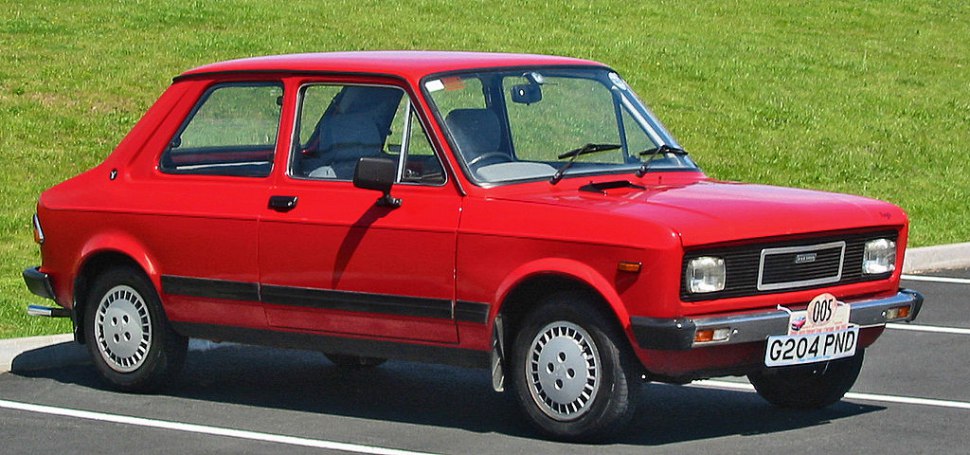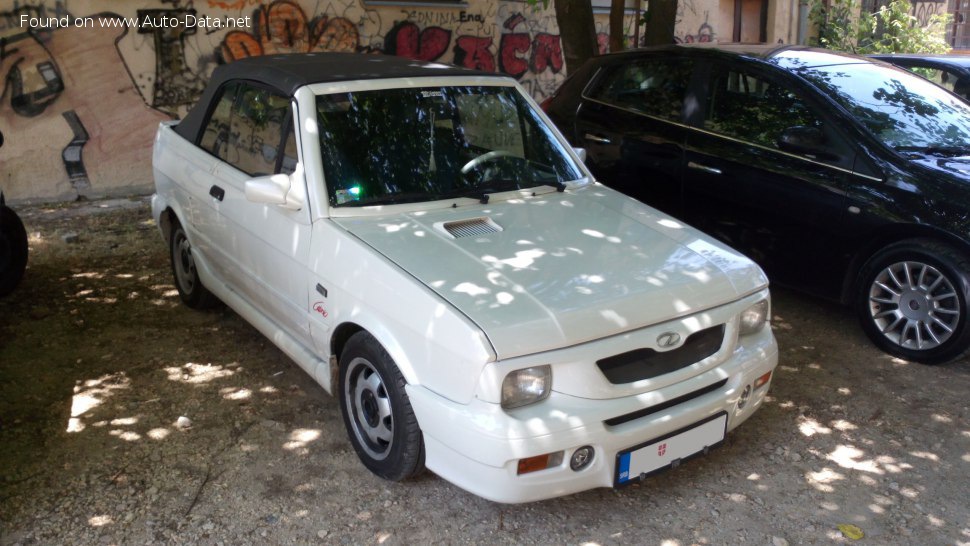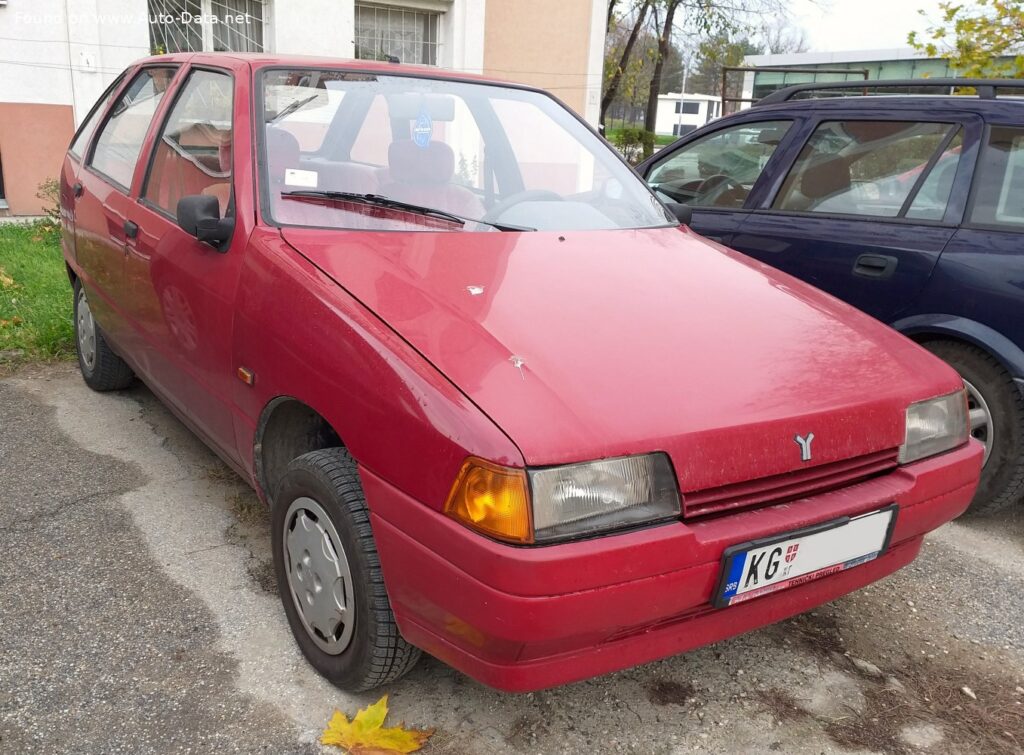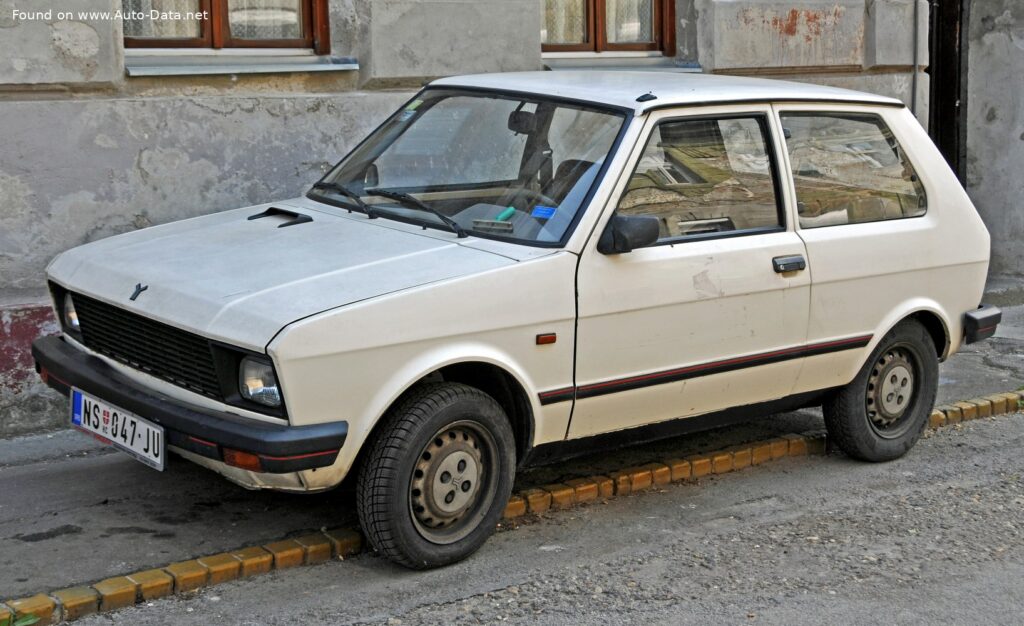
The Zastava Yugo Koral 1.3, producing 65 horsepower, was a mainstay of the Yugo Koral lineup from 1990 until production ceased in 2008. Representing the entry-level offering within the Koral generation (an evolution of the original Yugo GV), this variant was specifically targeted at budget-conscious buyers seeking affordable transportation. The Koral, and the 1.3L model in particular, was immensely popular in Eastern Europe and found a niche market in Western countries, notably the United States, due to its exceptionally low price point. It was built on the Yugo platform, a license-built version of the Fiat 127, and formed the core of Zastava’s automotive production for decades.
Zastava Yugo Koral 1.3: Powertrain & Engine Architecture
The heart of the Yugo Koral 1.3 was the Zastava 702 inline-four cylinder engine, displacing 1302 cubic centimeters (79.45 cubic inches). This engine, derived from the Fiat 127’s original design, featured a relatively simple architecture. It utilized a single overhead camshaft (SOHC) operating two valves per cylinder. Fuel delivery was managed by a carburetor, a cost-saving measure that contributed to the vehicle’s affordability but also impacted its emissions and fuel efficiency compared to more modern fuel injection systems. The engine produced a maximum power output of 65 horsepower at 6000 rpm and 98 Newton-meters (72.28 lb-ft) of torque at 3000 rpm. The compression ratio was set at 9.2:1. The engine was transversely mounted at the front of the vehicle, driving the front wheels.
While a five-speed manual transmission was standard on the Koral 1.3, an optional four-speed automatic transmission was available in some markets, though it was less common. This automatic, while providing convenience, significantly impacted the car’s performance and fuel economy. The automatic transmission was a relatively basic design, lacking the sophistication of more modern automatic gearboxes.
Engine Codes and Variations
The primary engine code associated with the 1.3L Koral is generally referenced as the 702. While specific sub-variants existed over the production run, they largely maintained the core characteristics of the original design. Minor adjustments were made over the years to address emissions regulations and improve reliability, but the fundamental engine architecture remained consistent.
Driving Characteristics
The Yugo Koral 1.3, even in its manual transmission form, was not known for its blistering performance. With 65 horsepower propelling a vehicle weighing around 840 kg (1851.88 lbs), acceleration from 0 to 100 km/h (0-62 mph) took approximately 14.5 seconds. Top speed was limited to around 155 km/h (96.31 mph). The optional automatic transmission further diminished performance, adding several seconds to acceleration times. The car’s power delivery was relatively linear, but the engine felt strained at higher speeds. The gear ratios in the manual transmission were spaced to prioritize fuel economy over outright acceleration. The automatic transmission, with its fewer gears, exacerbated this effect.
Handling was adequate for everyday driving, but the Yugo Koral 1.3 was not a particularly sporty vehicle. The suspension, consisting of coil springs all around, provided a reasonably comfortable ride, but body roll was noticeable in corners. Steering was via a rack and pinion system, offering acceptable precision, though it lacked the feedback of more refined steering setups.
Equipment & Trim Levels
The Yugo Koral 1.3 was deliberately spartan in its standard equipment. It was designed to be an affordable car, and features were kept to a minimum. Standard features typically included basic cloth upholstery, a simple dashboard with analog gauges, and manual windows and door locks. A basic AM/FM radio was often included, but air conditioning and power steering were typically optional extras. The interior plastics were of low quality, reflecting the car’s price point.
Higher trim levels, though still relatively basic, offered options such as upgraded upholstery, a more comprehensive instrument cluster, and potentially features like a rear window defroster. However, the Koral 1.3 remained fundamentally a no-frills vehicle, even in its more equipped forms.
Chassis & Braking
The Yugo Koral 1.3 utilized a relatively simple chassis design. The front suspension consisted of coil springs and independent suspension components, while the rear suspension employed a twist-beam axle with coil springs. Braking was equally straightforward. The front wheels were equipped with disc brakes, while the rear wheels utilized drum brakes. This configuration was typical for vehicles in its price range during the period. The steering system was a rack and pinion setup, providing reasonable steering precision. The car rode on 155/70 R13 tires.
Market Reception & Comparison
The Yugo Koral 1.3 achieved considerable success in its target markets, particularly in Eastern Europe, where it was seen as a reliable and affordable means of transportation. Its introduction to the United States in the mid-1980s generated significant attention due to its incredibly low price – initially around $3,990. However, the Yugo’s reputation in the US suffered due to concerns about its build quality, safety features, and performance. Critics often pointed to its basic interior, lack of advanced safety equipment, and underwhelming performance as major drawbacks.
Compared to other vehicles in its class, such as the Renault 5 or the Fiat Panda, the Yugo Koral 1.3 offered a similar level of basic transportation at a competitive price. However, it generally lagged behind these competitors in terms of refinement, build quality, and safety. Fuel economy was reasonable for the time, but the carburetor-equipped engine was less efficient than vehicles with fuel injection.
Technical Specifications
| Body Type | Hatchback, 3 Doors, 5 Seats |
| Engine Displacement | 1302 cm3 (79.45 cu. in.) |
| Engine Configuration | Inline-4 |
| Fuel Type | Petrol (Gasoline) |
| Power Output | 65 Hp @ 6000 rpm |
| Torque | 98 Nm @ 3000 rpm (72.28 lb.-ft. @ 3000 rpm) |
| Compression Ratio | 9.2:1 |
| Fuel Injection System | Carburettor |
| Transmission | 5-speed manual or 4-speed automatic |
| Drive Wheels | Front Wheel Drive |
| Kerb Weight | 840 kg (1851.88 lbs.) |
| Maximum Weight | 1210 kg (2667.59 lbs.) |
| Fuel Tank Capacity | 32 l (8.45 US gal | 7.04 UK gal) |
| Length | 3490 mm (137.4 in.) |
| Width | 1540 mm (60.63 in.) |
| Height | 1340 mm (52.76 in.) |
| 0-100 km/h | 14.5 sec |
| Top Speed | 155 km/h (96.31 mph) |
Legacy
The Zastava Yugo Koral 1.3, while not renowned for its longevity or sophistication, proved to be a remarkably durable vehicle in many cases. The simple engine design and robust construction contributed to its reliability, particularly in less demanding driving conditions. However, the carburetor and basic components were prone to wear and tear over time. Today, the Yugo Koral 1.3 has become a cult classic among automotive enthusiasts, particularly those interested in affordable and quirky cars. Parts availability can be challenging, but a dedicated community of owners and enthusiasts continues to keep these vehicles on the road. The 1.3L engine, while not a powerhouse, remains relatively easy to maintain and repair, making it a popular choice for restoration projects. The Yugo Koral 1.3 represents a unique chapter in automotive history, embodying a period of affordable and accessible transportation.