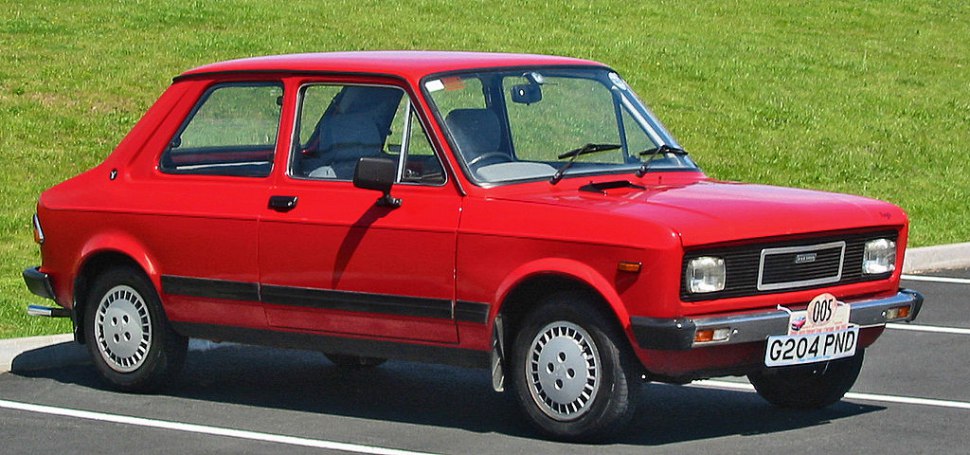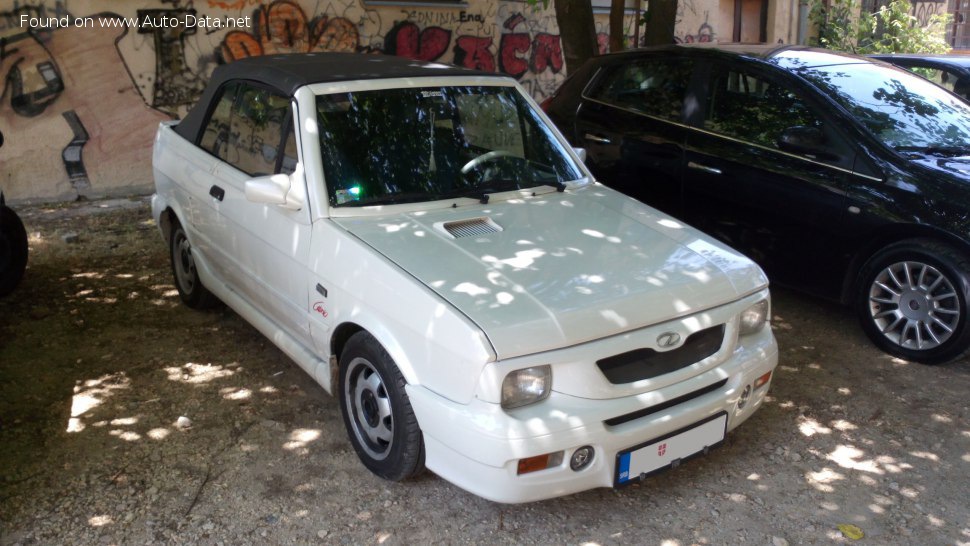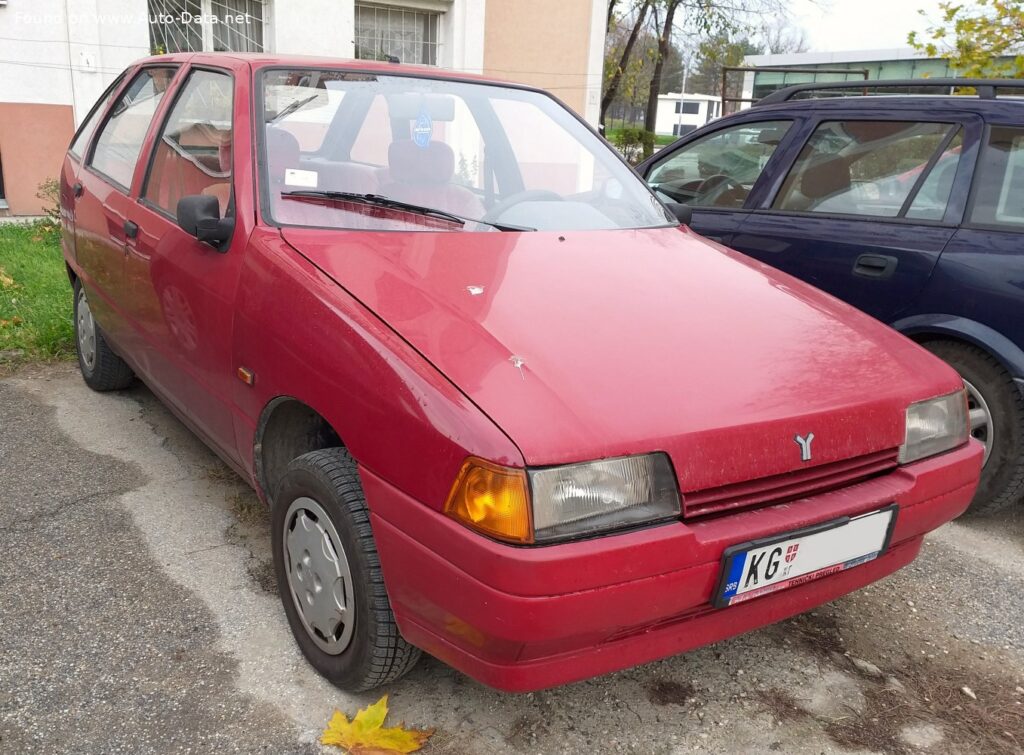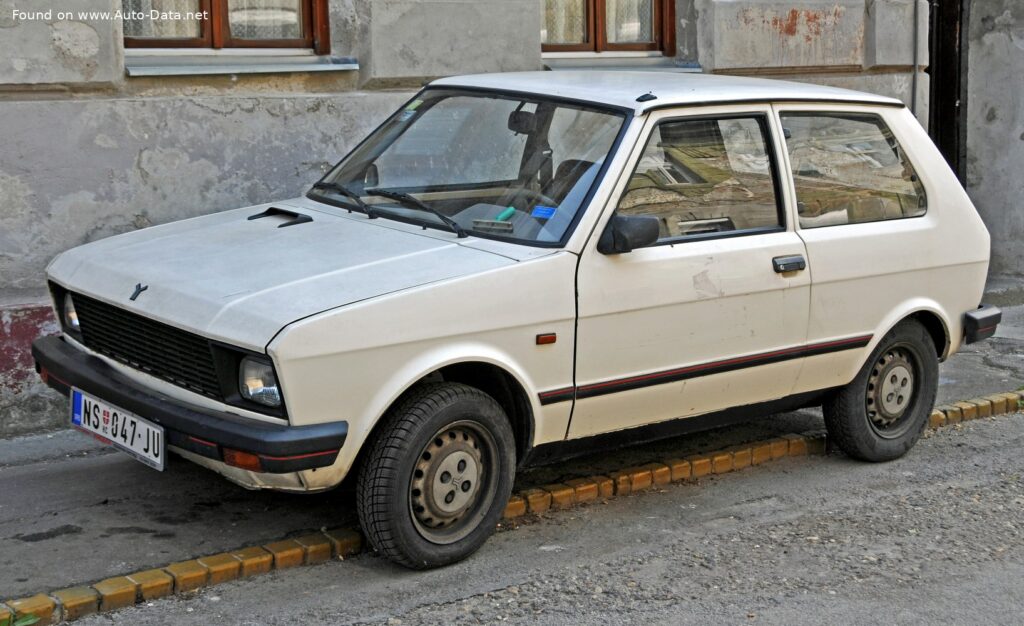
The Zastava Yugo Koral 1.3 i, produced from 2003 to 2008, represented a continuation of the Yugo line, a small, affordable hatchback primarily aimed at the entry-level market. It was a key model within the Koral generation (introduced in 1994), which itself was a heavily updated version of the original Yugo GV/GV+ series. The 1.3 i variant, with its 67 horsepower engine, served as the base model, offering a budget-friendly option for buyers in Serbia and export markets. It was positioned below the slightly more powerful 1.4-liter versions and represented the most accessible point of entry into the Yugo Koral range.
Zastava Yugo Koral 1.3 i: Overview and Positioning
The Yugo Koral 1.3 i was a three-door hatchback designed to provide basic transportation. It was a product of Zastava Automobiles, a Serbian manufacturer with roots tracing back to the 1950s. The Koral generation aimed to modernize the aging Yugo platform, offering improved styling, safety features (relative to its predecessors), and a more refined interior. The 1.3 i model, however, remained focused on affordability, prioritizing low purchase price and reasonable running costs over outright performance or luxury. It was a popular choice for first-time car buyers, city commuters, and those seeking a simple, reliable vehicle.
Powertrain & Engine Architecture
The heart of the Yugo Koral 1.3 i was the Zastava 702 inline-four cylinder gasoline engine. This engine, displacing 1301 cc (79.39 cubic inches), produced 67 horsepower at 5500 rpm and 95 Nm (70.07 lb-ft) of torque at 3800 rpm. The engine featured a relatively simple design, with a cast iron block and an aluminum cylinder head. It utilized a multi-port fuel injection system, a significant upgrade from the carburetor systems found in earlier Yugo models, contributing to improved fuel efficiency and reduced emissions. The engine had a compression ratio of 9.1:1 and employed a two-valve-per-cylinder valvetrain. The engine was transversely mounted in the front of the vehicle, driving the front wheels.
While a five-speed manual transmission was standard on the 1.3 i, an optional three-speed automatic transmission was available, though less common. This automatic was a relatively basic unit, designed for smooth, if not particularly quick, operation. The automatic transmission’s gear ratios were geared towards fuel economy rather than acceleration. The automatic transmission was sourced from external suppliers, and its reliability was often questioned compared to the more robust manual gearbox.
Driving Characteristics
The Yugo Koral 1.3 i, even with the manual transmission, was not known for its blistering performance. Acceleration from 0 to 100 km/h (0-62 mph) took approximately 13.8 seconds, and top speed was limited to 150 km/h (93.21 mph). The 1.3-liter engine provided adequate power for city driving and moderate highway speeds, but struggled when fully loaded or tackling steep inclines. The automatic transmission further diminished acceleration, making the car feel sluggish in many situations. The suspension, while providing a reasonably comfortable ride, was tuned for practicality rather than sporty handling. Steering was light and easy, making it maneuverable in urban environments. The weight-to-power ratio of 12.4 kg/Hp highlighted the car’s modest performance capabilities.
Compared to the 1.4-liter versions of the Koral, the 1.3 i offered a noticeable difference in performance. The 1.4-liter engines provided more torque and slightly quicker acceleration, making them a more appealing option for drivers who frequently traveled on highways or carried passengers. However, the 1.3 i’s lower price point and slightly better fuel economy made it a compelling choice for budget-conscious buyers.
Equipment & Trim Levels
The Yugo Koral 1.3 i was typically equipped with basic features. Standard equipment generally included cloth upholstery, a simple dashboard layout, manual windows and door locks, and a basic stereo system. Safety features were limited, typically consisting of seatbelts and a steering wheel lock. Air conditioning and power steering were often optional extras, adding to the vehicle’s cost. Interior trim levels were fairly basic, with durable plastics and minimal ornamentation. The rear seats could be folded down to increase cargo space, offering some flexibility for carrying larger items. The trunk offered 170 liters (6 cubic feet) of space with the rear seats up, expanding to 870 liters (30.72 cubic feet) when folded down.
Chassis & Braking
The Yugo Koral 1.3 i utilized a relatively simple chassis design. The front suspension consisted of coil springs and independent suspension, while the rear suspension employed a coil spring and semi-independent trailing arm setup. The front brakes were disc brakes, providing adequate stopping power, while the rear brakes were drum brakes, a cost-saving measure. The steering system was a rack and pinion type, offering reasonable precision. The car rode on 155/70 R13 tires. The curb weight of 830 kg (1829.84 lbs) contributed to its relatively nimble handling, despite its modest power output.
Market Reception & Comparison
The Yugo Koral 1.3 i received mixed reviews. Critics generally praised its affordability and practicality, but criticized its lack of performance, basic interior, and limited safety features. It was often compared to other entry-level hatchbacks available in the region, such as the Fiat Punto and the Renault Clio. The Yugo Koral 1.3 i typically offered a lower price point than these competitors, but also provided a less refined driving experience and fewer features. Fuel economy was a strong point, with the 1.3-liter engine achieving reasonable mileage in real-world driving conditions. Reliability was generally considered acceptable, although the automatic transmission was a known weak point.
Technical Specifications
| Body Type | Hatchback, 3 Doors, 5 Seats |
| Engine Type | Inline-4, Gasoline |
| Engine Displacement | 1301 cm3 (79.39 cu. in.) |
| Power | 67 Hp @ 5500 rpm |
| Torque | 95 Nm (70.07 lb.-ft.) @ 3800 rpm |
| Compression Ratio | 9.1:1 |
| Fuel Injection | Multi-port |
| Transmission | 5-speed Manual (Optional 3-speed Automatic) |
| Drive Wheels | Front Wheel Drive |
| Curb Weight | 830 kg (1829.84 lbs.) |
| Maximum Weight | 1230 kg (2711.69 lbs.) |
| Fuel Tank Capacity | 48 l (12.68 US gal | 10.56 UK gal) |
| Dimensions (L x W x H) | 3552 mm x 1548 mm x 1345 mm (139.84 in x 60.94 in x 52.95 in) |
| 0-100 km/h | 13.8 sec |
| Top Speed | 150 km/h (93.21 mph) |
Legacy
The Zastava Yugo Koral 1.3 i, while not a groundbreaking vehicle, played an important role in providing affordable transportation to a wide range of buyers. The 1.3-liter engine, while simple, proved to be relatively durable and easy to maintain. However, the optional automatic transmission was often criticized for its lack of refinement and reliability. Today, the Yugo Koral 1.3 i is a relatively rare sight on the roads, but it remains a popular choice among enthusiasts and collectors seeking a nostalgic piece of automotive history. Its low purchase price and simple mechanics make it an attractive option for those looking for a project car or a unique vehicle. Parts availability can be challenging, but a dedicated community of Yugo owners continues to support the preservation of these vehicles.